What the 3-2-1 Backup Rule Means
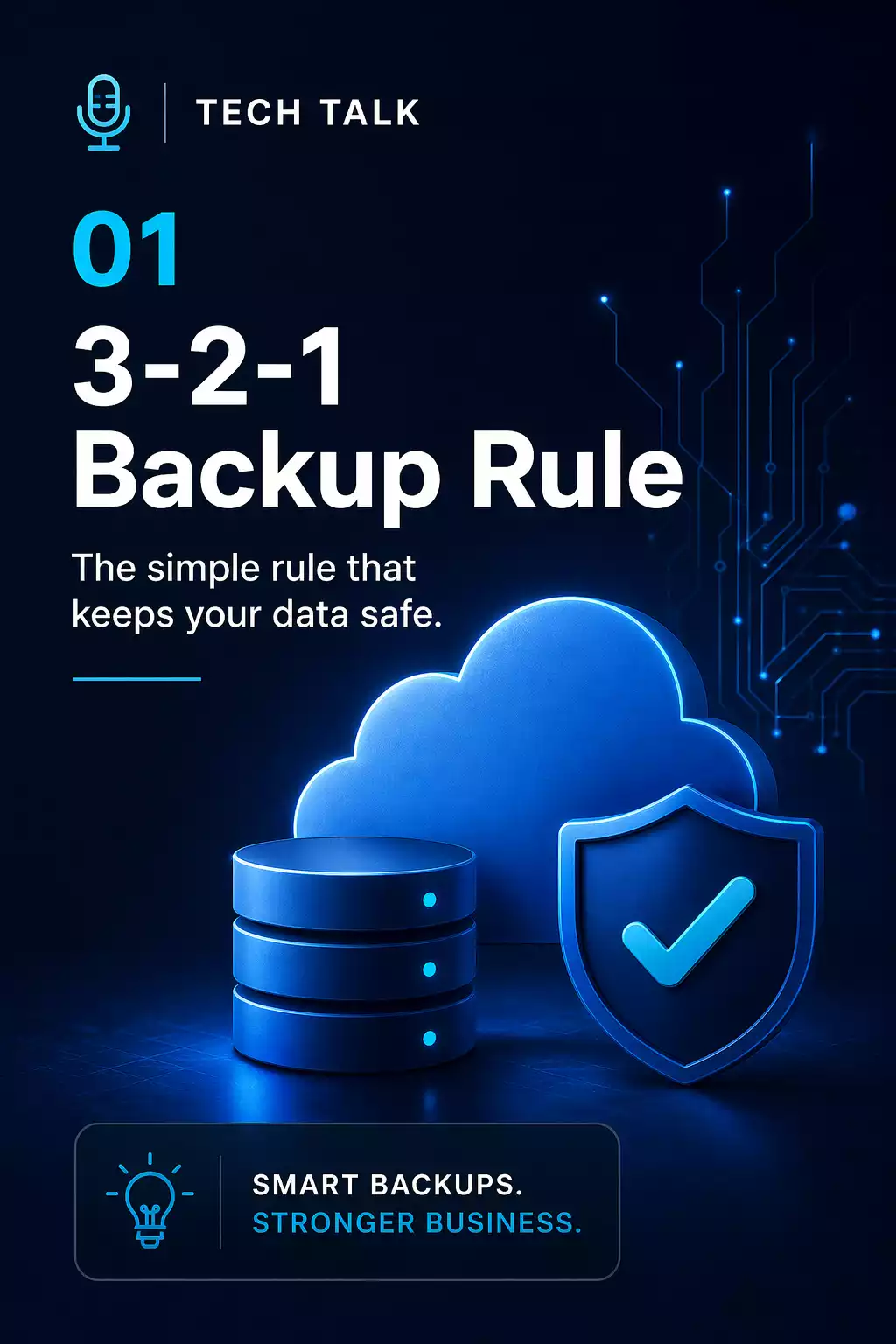
The 3-2-1 backup rule is a long-standing best practice for protecting data.
It states that you should have:
- 3 copies of your data
- stored on 2 different types of media
- with at least 1 copy stored offsite
The goal is simple:
👉 eliminate single points of failure
The 3-2-1 rule is designed to ensure data survives hardware failure, human error, and localized disasters.
Why the 3-2-1 Rule Was Created
Originally, backup strategies were designed to protect against:
- hardware failure
- accidental deletion
- environmental damage
In those scenarios:
- having multiple copies
- in different locations
was enough to ensure recovery.
What a Traditional 3-2-1 Setup Looks Like
A typical implementation includes:
- primary production data
- local backup (NAS, server, or appliance)
- offsite backup (cloud or external location)
This provides:
- fast recovery (local)
- disaster protection (offsite)
What a Real Failure Looks Like Today
Modern failures are different.
A typical scenario:
- ransomware enters the network
- attackers gain access to systems
- they locate backup storage
- backups are deleted or encrypted
- production systems are locked
At that point:
- all three copies may be compromised
- recovery options may not exist
The 3-2-1 rule protects against failure — but not against targeted attacks.
Where the 3-2-1 Rule Falls Short
The original rule does not account for:
- ransomware targeting backups
- credential-based attacks
- delayed detection of compromise
- insider threats
Even with 3 copies:
- all copies may be accessible
- all copies may be modified or deleted
The Missing Element: Protection
The 3-2-1 rule focuses on redundancy.
Modern strategies must focus on protection.
This includes:
- immutability
- access control
- isolation
Redundant backups that can be deleted or modified are still vulnerable.
The Evolution: 3-2-1-1-0 (Modern Approach)
Many organizations now follow an updated model:
3-2-1-1-0
- 3 copies of data
- 2 different media types
- 1 offsite copy
- 1 immutable or offline copy
- 0 unverified backups (testing required)
Adding immutability and testing transforms redundancy into true recovery capability.
How Modern Backup Systems Are Actually Built
A real-world system typically includes:
Local Backup Layer
- fast recovery
- minimal downtime
Cloud Backup Layer
- redundancy
- geographic separation
Immutable Storage Layer
- protection from ransomware
- guaranteed recovery points
Each layer solves a different problem.
How the Rule Applies to Ransomware
Ransomware changes everything.
Attackers:
- target backups first
- delay detection
- remove recovery options
Without protection:
- all copies may be compromised
- recovery becomes impossible
Without immutability or isolation, the 3-2-1 rule alone does not prevent ransomware-related data loss.
Recovery Reality: Copies Are Not Enough
Having multiple copies does not guarantee recovery.
Recovery depends on:
- clean, uncorrupted data
- accessible backup systems
- defined recovery processes
Backups must be usable — not just available.
Common Mistakes with the 3-2-1 Rule
Many businesses implement the rule incorrectly:
- all backups stored on the same network
- no separation between production and backup access
- no immutability or protection
- no testing of recovery
These issues lead to backup failures.
How to Know If Your Strategy Is Outdated
You may need to upgrade your approach if:
- backups can be accessed from your main network
- you rely only on redundancy
- you have never tested a full restore
- you do not use immutable storage
If your backups can be modified or deleted, your strategy is not fully protected.
How to Modernize Your Backup Strategy
To move beyond 3-2-1:
- implement immutable backups
- isolate backup environments
- enforce access controls
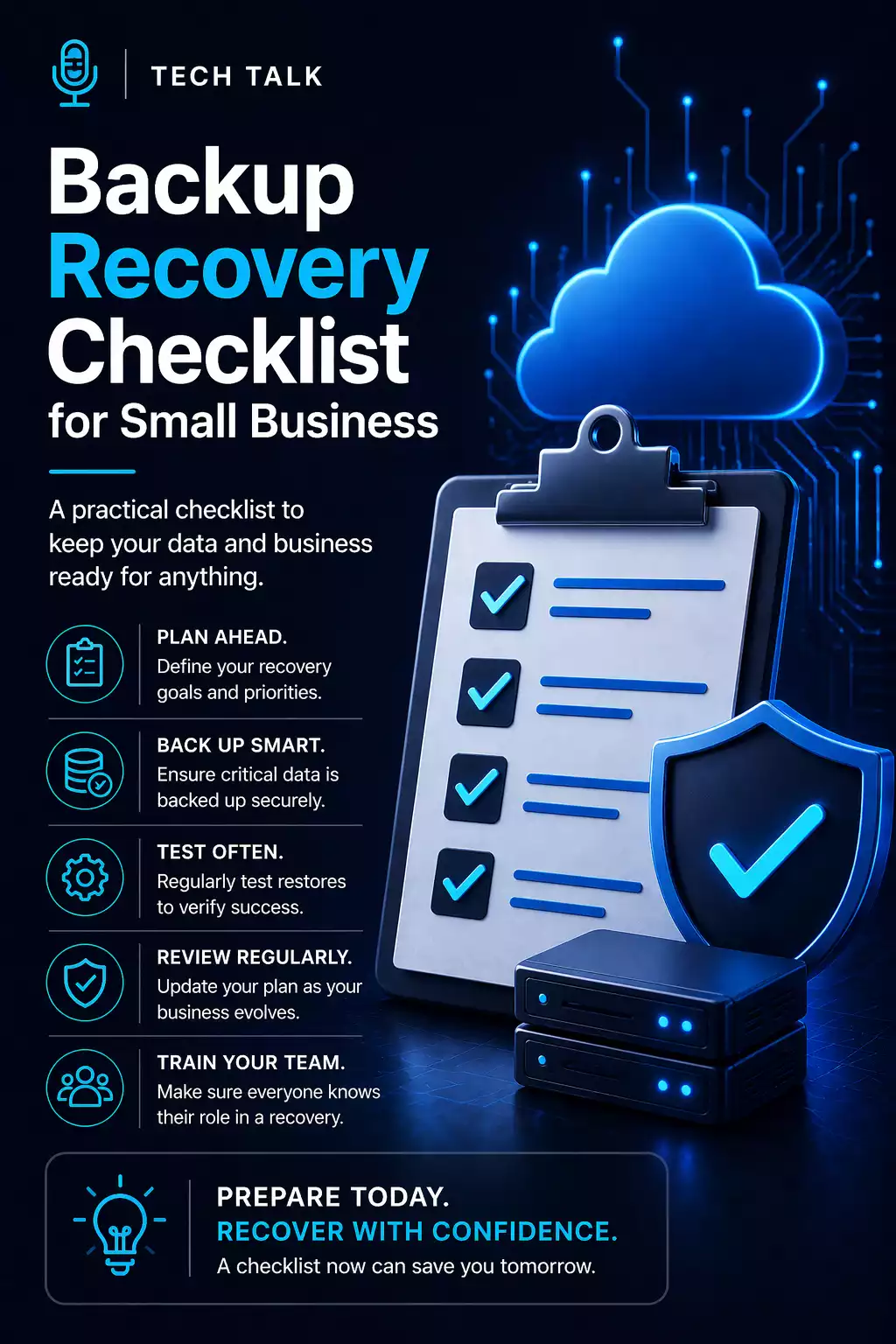
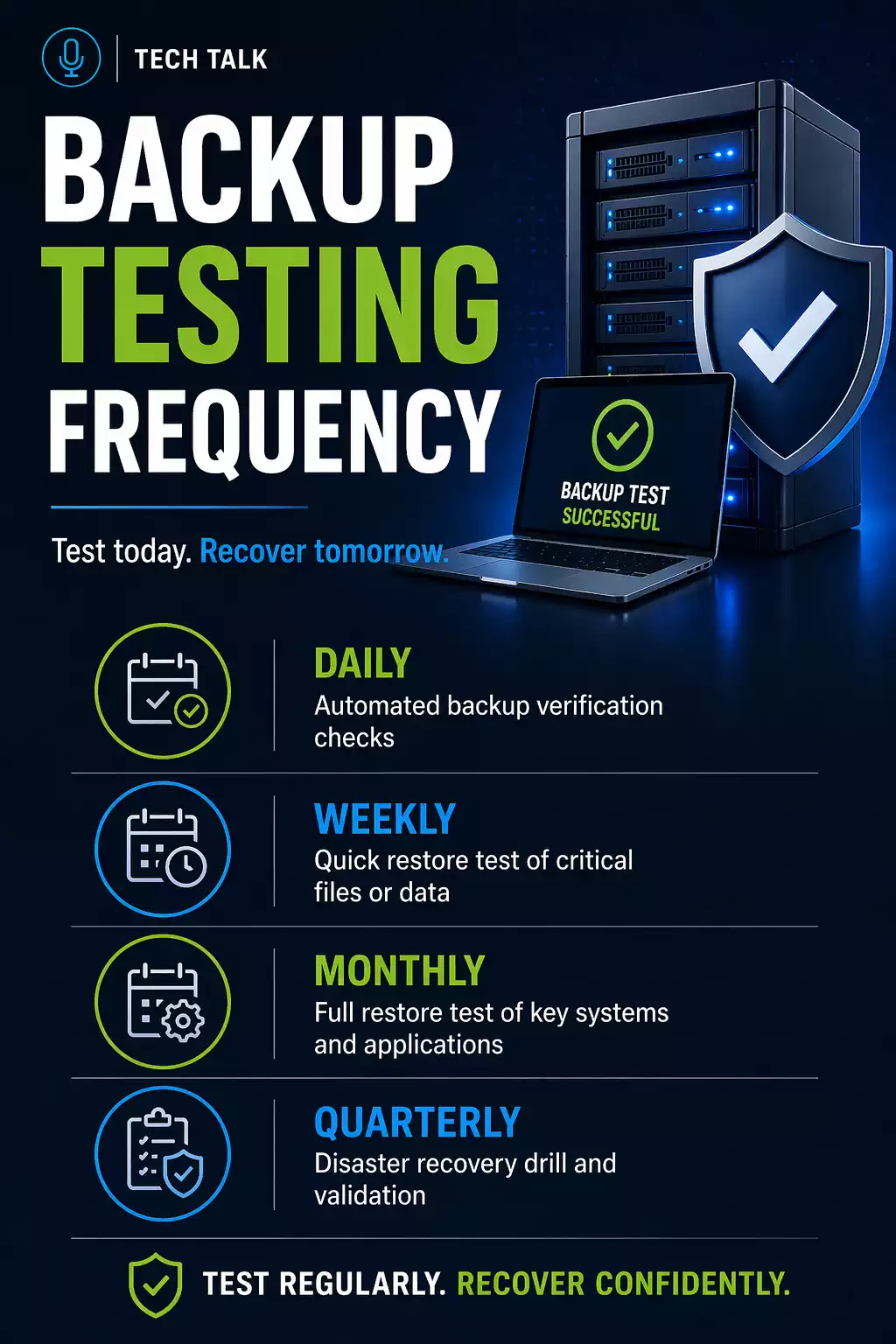
- test recovery regularly
A complete backup strategy integrates all of these elements.
What This Means for Your Business
The 3-2-1 rule is still important.
But it is no longer enough on its own.
Modern backup strategies must combine redundancy, protection, and validation.
Final Thoughts
The 3-2-1 rule is a foundation — not a complete solution.
To ensure recovery today, businesses must go beyond it.
Need help with this topic?
Make sure your backups actually work when it matters.
Most businesses discover backup failures during an outage. We help you validate recovery, reduce downtime risk, and build a system that works under pressure.
- Backup validation and testing
- Recovery time optimization
- Clear recovery documentation