Why “We Have Backups” Is the Wrong Comfort
Most teams discover the gap between backup and recovery during the first real incident.
A backup job that completes nightly still leaves you exposed if:
- backup admin accounts use the same passwords as domain admins
- backup storage is online and deletable from a compromised workstation
- nobody has performed a full restore test in the last year
- critical SaaS data is assumed to be “Microsoft’s problem”
Ransomware operators rehearse deleting shadow copies and backup catalogs. If your recovery story depends on a single console login, it is part of the attack surface.
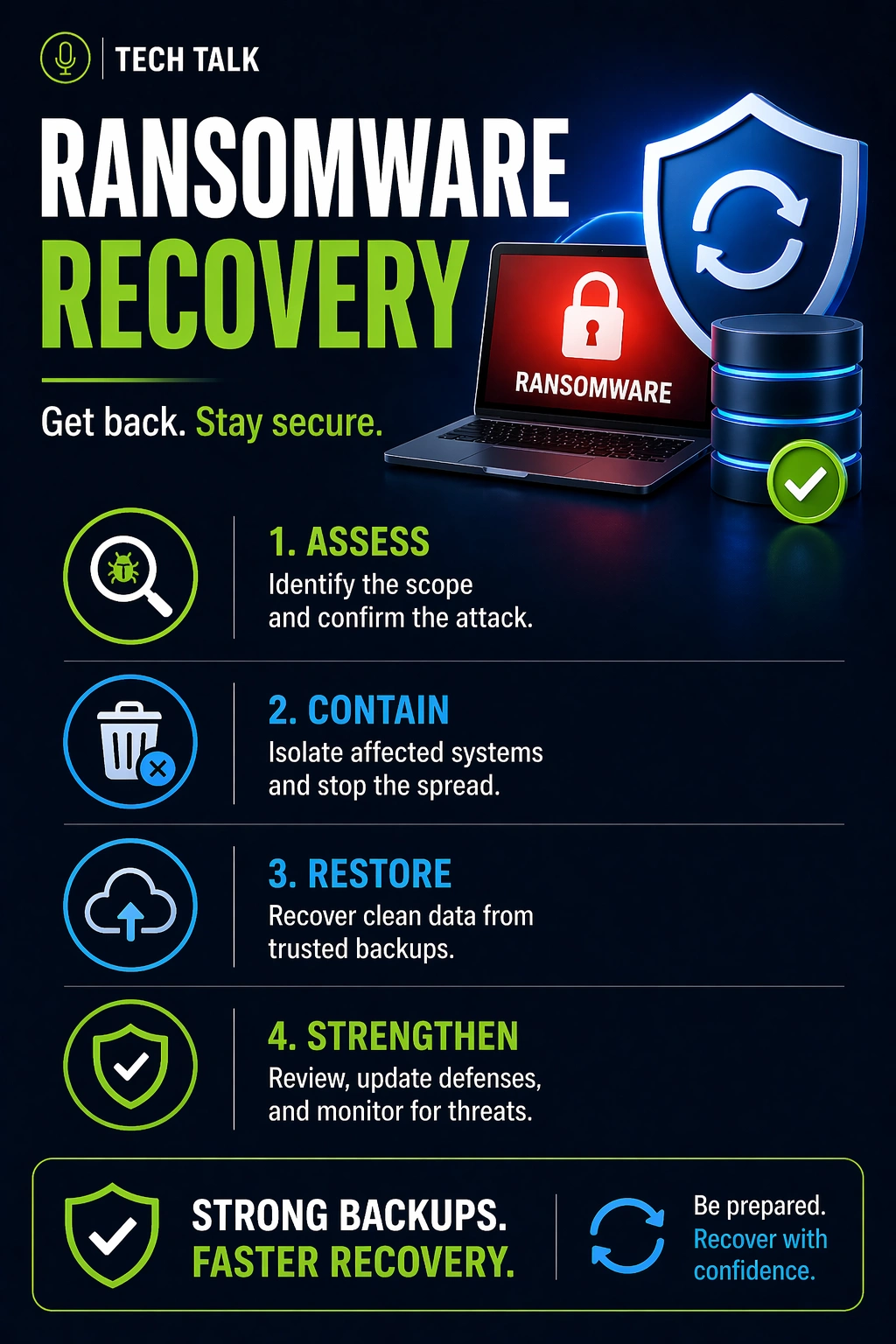
What Good Ransomware Recovery Actually Requires
1. Backups attackers cannot quietly erase
Immutable or offline-style protection matters because it changes what an attacker can do with stolen credentials.
Design conversations belong alongside ransomware-aware backup design work—not after encryption spreads.
2. A restore scope that matches the business
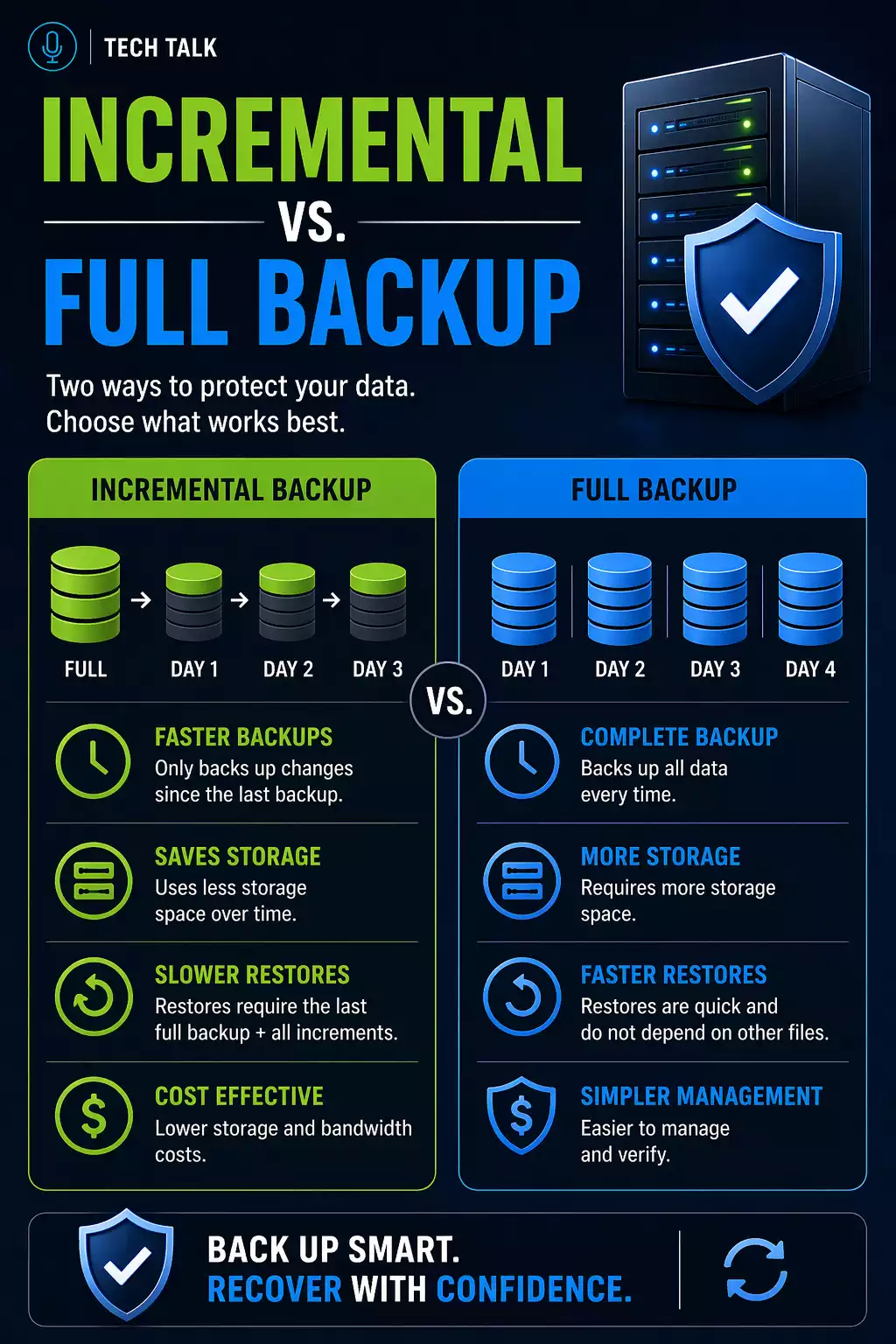
File restore, server restore, and full-environment recovery are different time machines.
A finance manager may only need a folder from Tuesday; ERP may need an application-consistent database; Active Directory may need an authoritative restore path nobody has walked in years.
Understanding those tiers prevents “we restored the server” from meaning users still cannot work.
3. Tested runbooks, not tribal knowledge
Runbooks should name owners, VPN paths, vendor contacts, and the order dependencies come online.
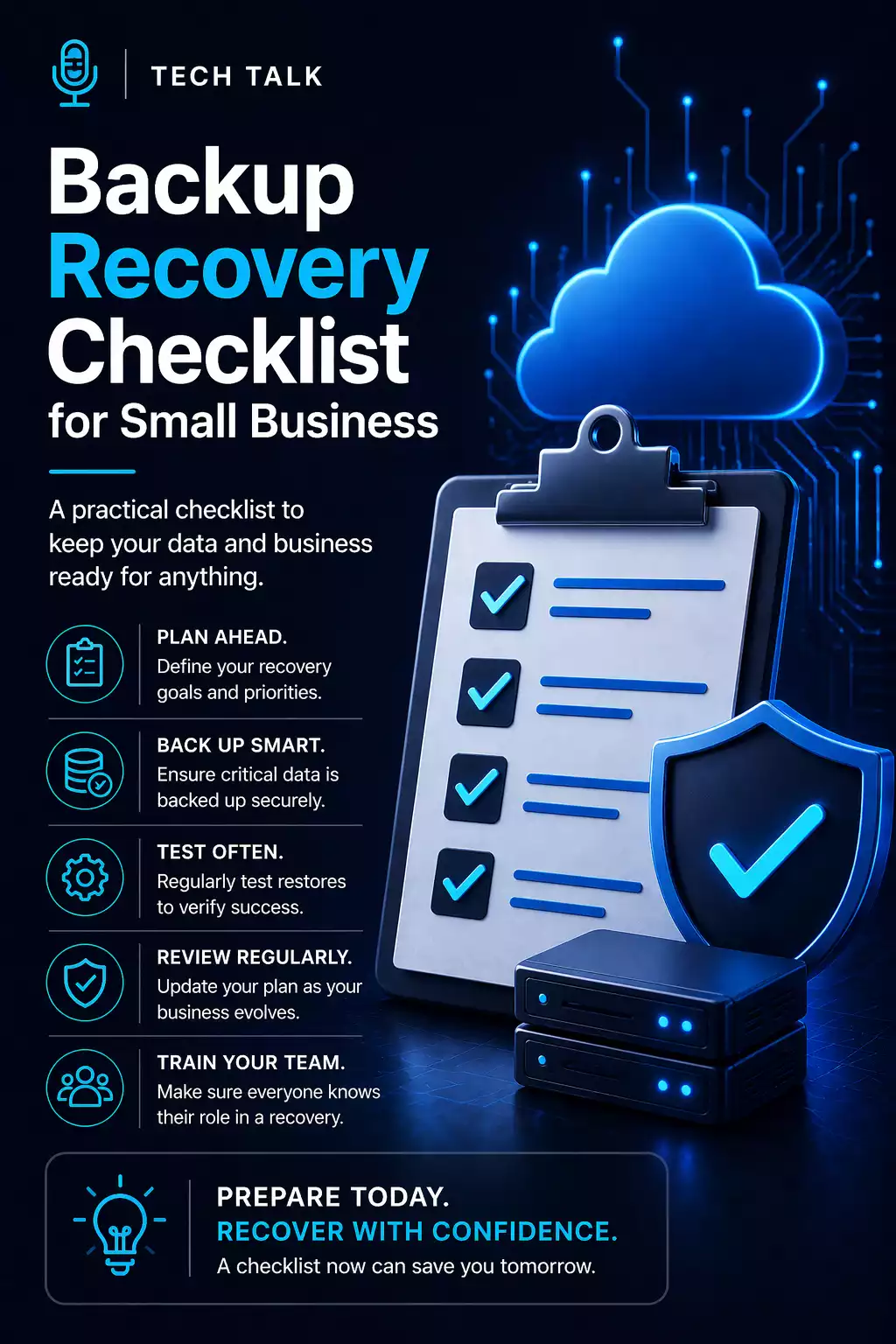
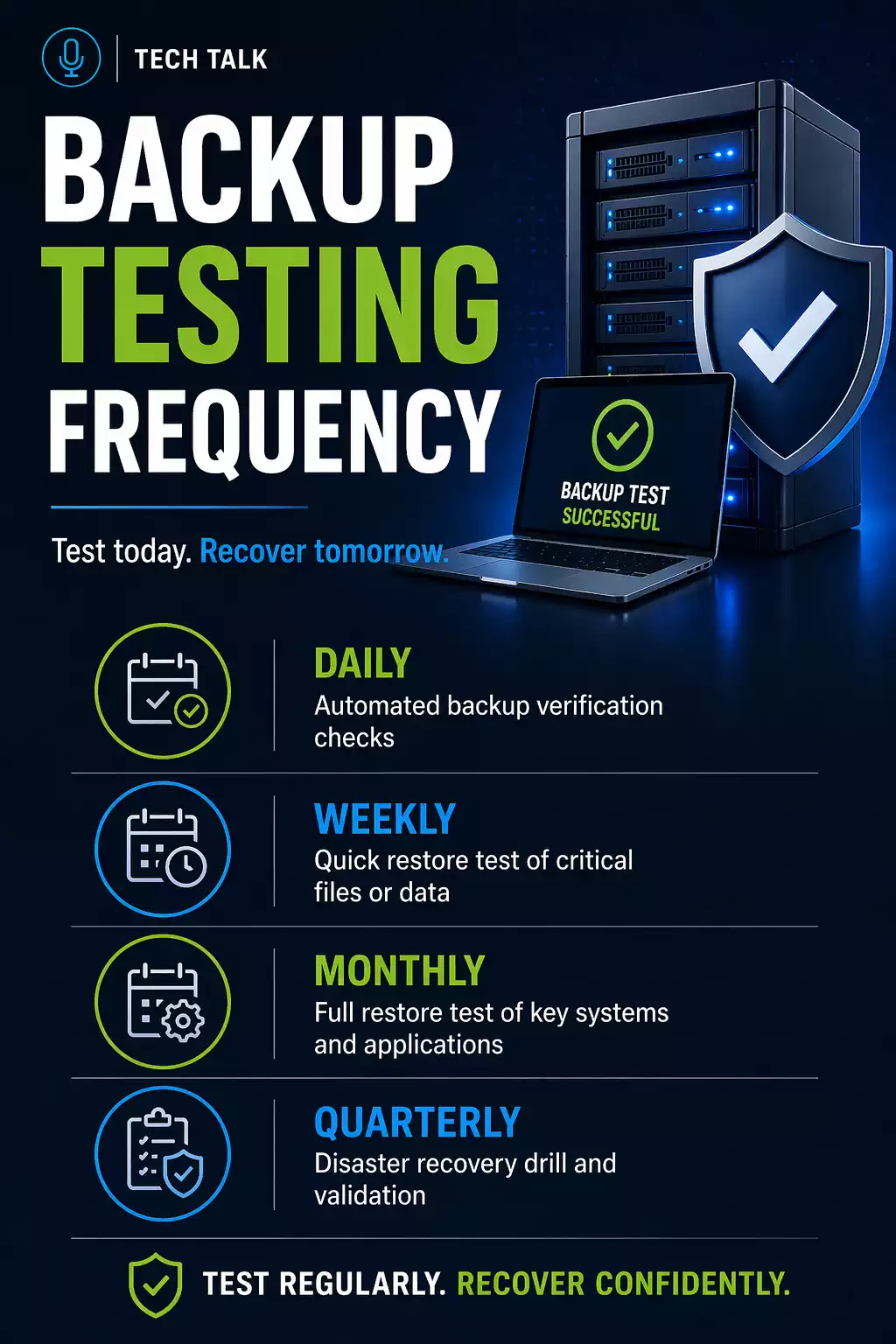
If your team has never rehearsed, start with the checklist mindset in how often should you test backups and expand into timed tabletops.
4. Identity and email hygiene that slow the blast radius
Recovery is faster when fewer accounts are global admins and when phishing is harder to land.
That is why recovery planning should reference Microsoft 365 and Google Workspace backup scope and broader cybersecurity controls—not live in isolation from them.
A Real-World Example
A 60-user professional services firm had nightly image backups to a NAS.
When ransomware hit, attackers found the backup software pinned to a help desk technician’s desktop, logged in with cached credentials, and deleted recovery points.
The data still “existed” on disk for a while—but there was nothing left to mount.
The expensive part was not decryption. It was rebuilding trust with clients while paralegals re-created matter folders from email fragments.
How This Connects to Services You Already Buy
- Backup & recovery services should include restore testing and monitoring that catches silent failures—not only job completion.
- Ransomware-aware recovery planning should align identity, endpoint, and backup admin separation.
- Business continuity should document who declares an incident and how work continues if ERP is offline for days—not hours.
Related Reading
Final Thoughts
Backups are necessary. They are not sufficient.
Recovery depends on architecture, identity, testing, and honest documentation—otherwise you are funding storage, not resilience.
If you are unsure where to start, ask one blunt question: When did we last prove a restore end-to-end, on hardware we would actually use in a crisis?
The answer tells you whether you have backups—or recovery.
Need help with this topic?
Make sure your backups actually work when it matters.
Most businesses discover backup failures during an outage. We help you validate recovery, reduce downtime risk, and build a system that works under pressure.
- Backup validation and testing
- Recovery time optimization
- Clear recovery documentation