Why Cloud Infrastructure Is Critical for Modern Business
Modern businesses depend on technology for everything.
This includes:
- communication
- operations
- customer systems
- data access
All of these rely on cloud infrastructure.
If you are new to the concept, start with what cloud infrastructure is.
Cloud infrastructure is no longer a technical decision — it is a business necessity.
What Has Changed in Modern Business Environments
Business environments have evolved significantly.
Today’s systems are:
- always online
- accessed from anywhere
- dependent on multiple applications
- expected to perform consistently
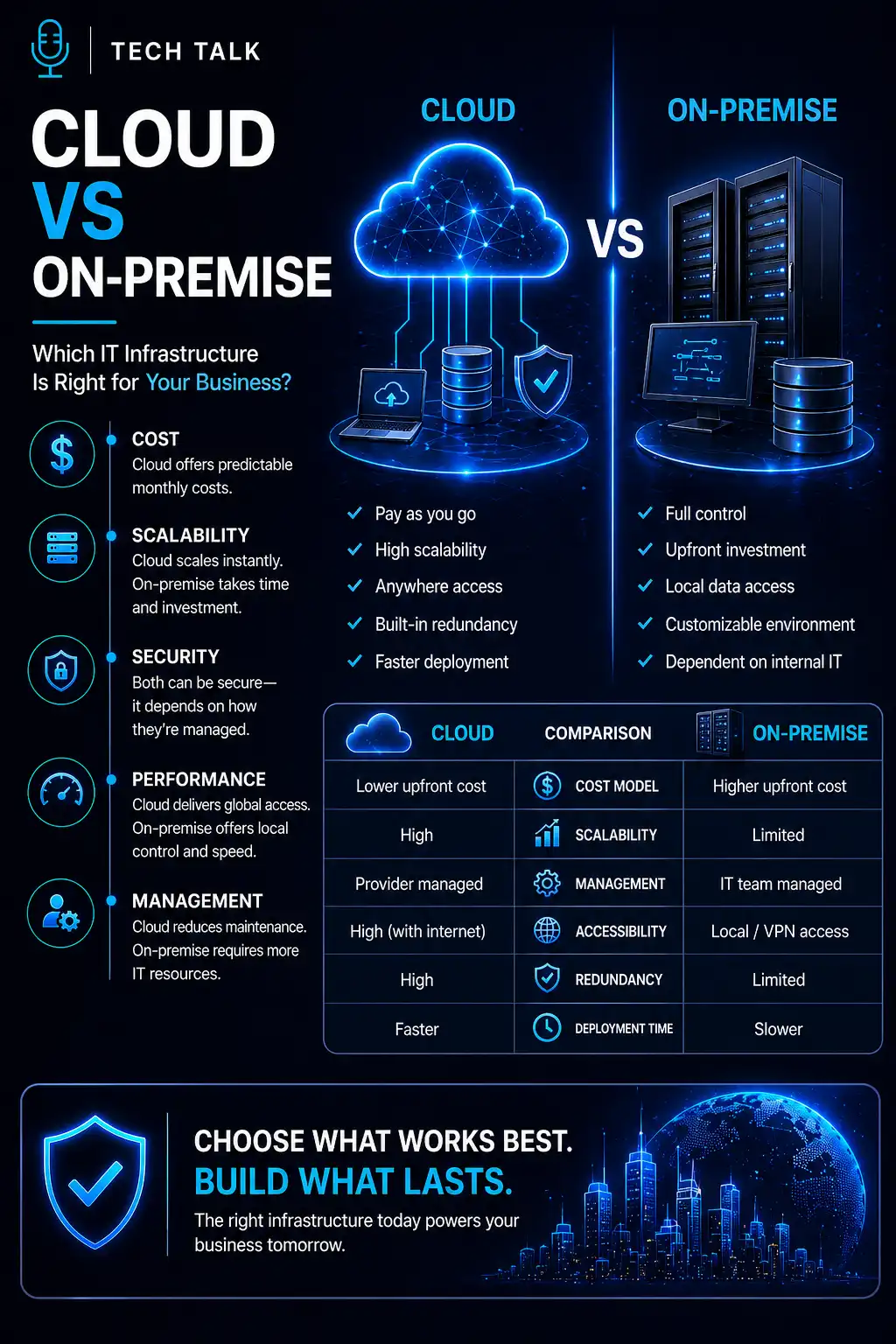
Traditional infrastructure cannot support these demands effectively.
Cloud infrastructure enables:
- remote access
- real-time collaboration
- scalable systems
This shift is explained further in cloud vs on-premise infrastructure.
What a Real Failure Looks Like in a Modern Business
A typical scenario:
- a business relies on multiple cloud applications
- usage increases as the business grows
- systems begin to slow down
- integrations fail
- users lose access
At that point:
- operations are disrupted
- productivity drops
- customer experience is affected
These issues are often tied to poor cloud infrastructure architecture.
Modern business failures are often infrastructure failures — not application failures.
How Cloud Infrastructure Supports Modern Operations
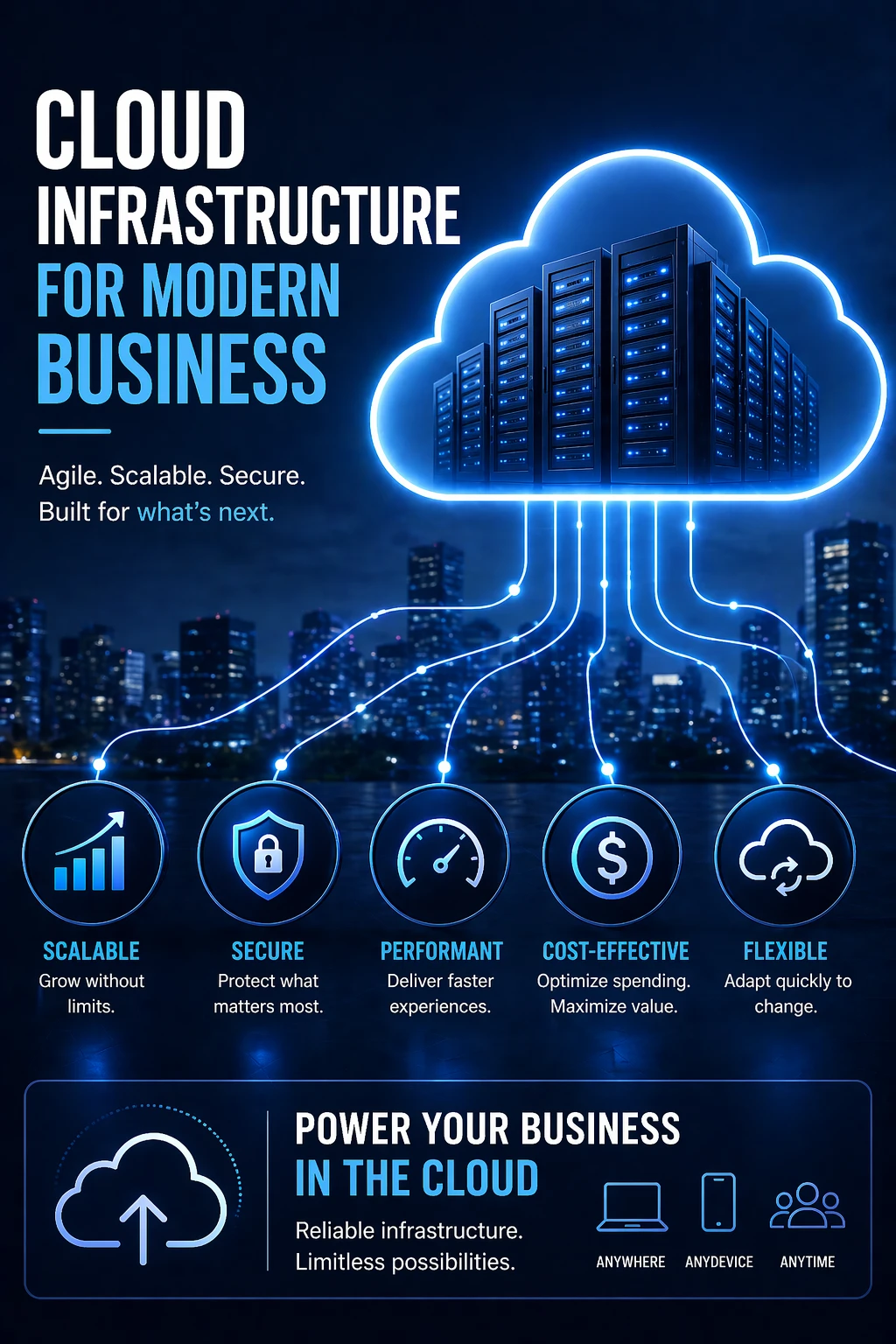
Cloud infrastructure enables key capabilities.
Scalability
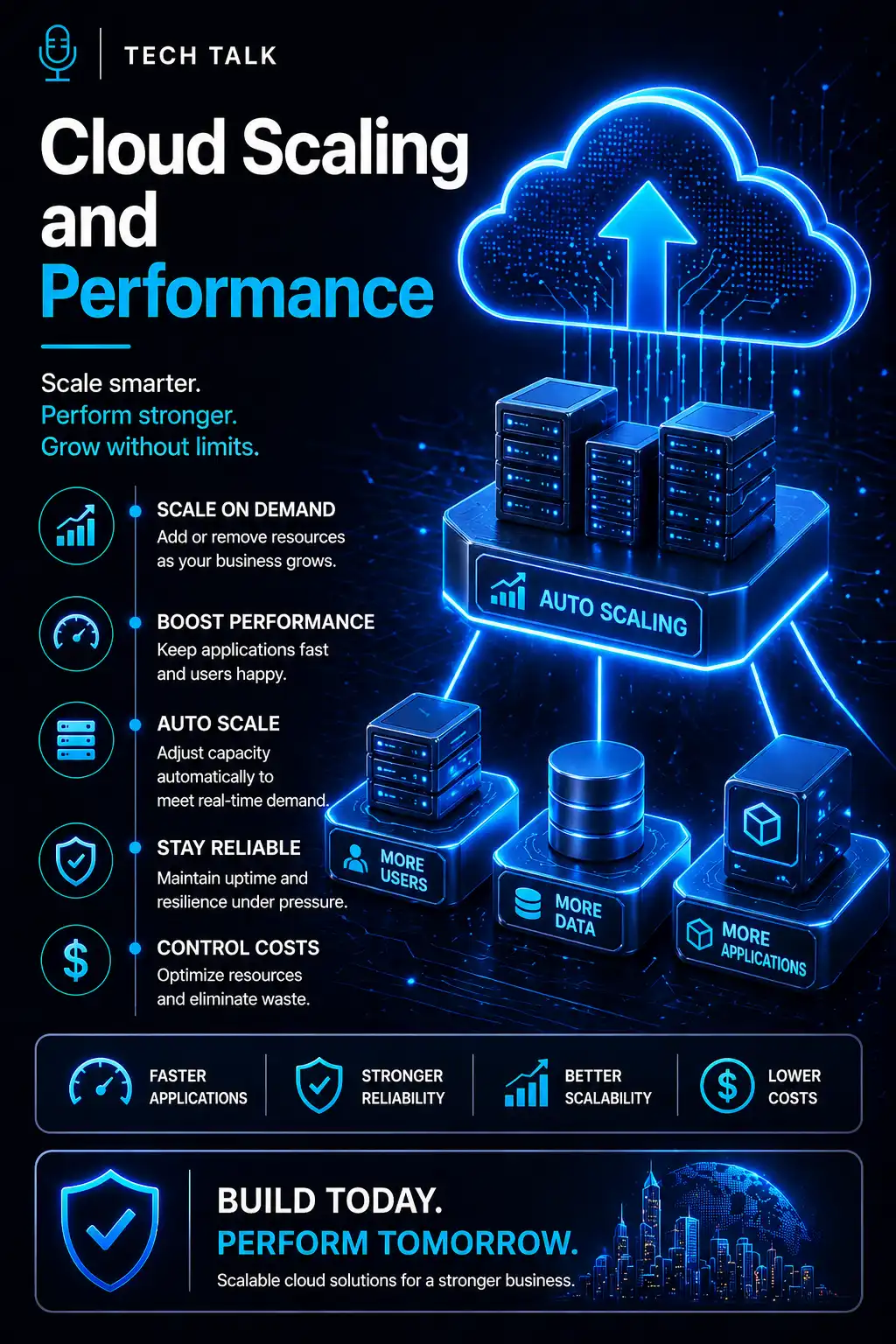
Businesses must be able to grow without system limitations.
Cloud infrastructure allows:
- on-demand resource allocation
- automatic scaling
This ties directly to cloud scaling and performance.
Accessibility
Teams work from multiple locations.
Cloud systems allow:
- secure remote access
- real-time collaboration
Reliability
Systems must remain available.
Cloud infrastructure enables:
- redundancy
- failover
- distributed systems
Flexibility
Businesses must adapt quickly.
Cloud environments allow:
- rapid deployment
- system changes without hardware constraints
Cloud infrastructure enables the speed, flexibility, and scalability modern businesses require.
The Hidden Risk: Infrastructure That Cannot Keep Up
Many businesses adopt cloud tools without redesigning infrastructure.
This creates problems:
- systems do not scale
- performance becomes inconsistent
- costs increase
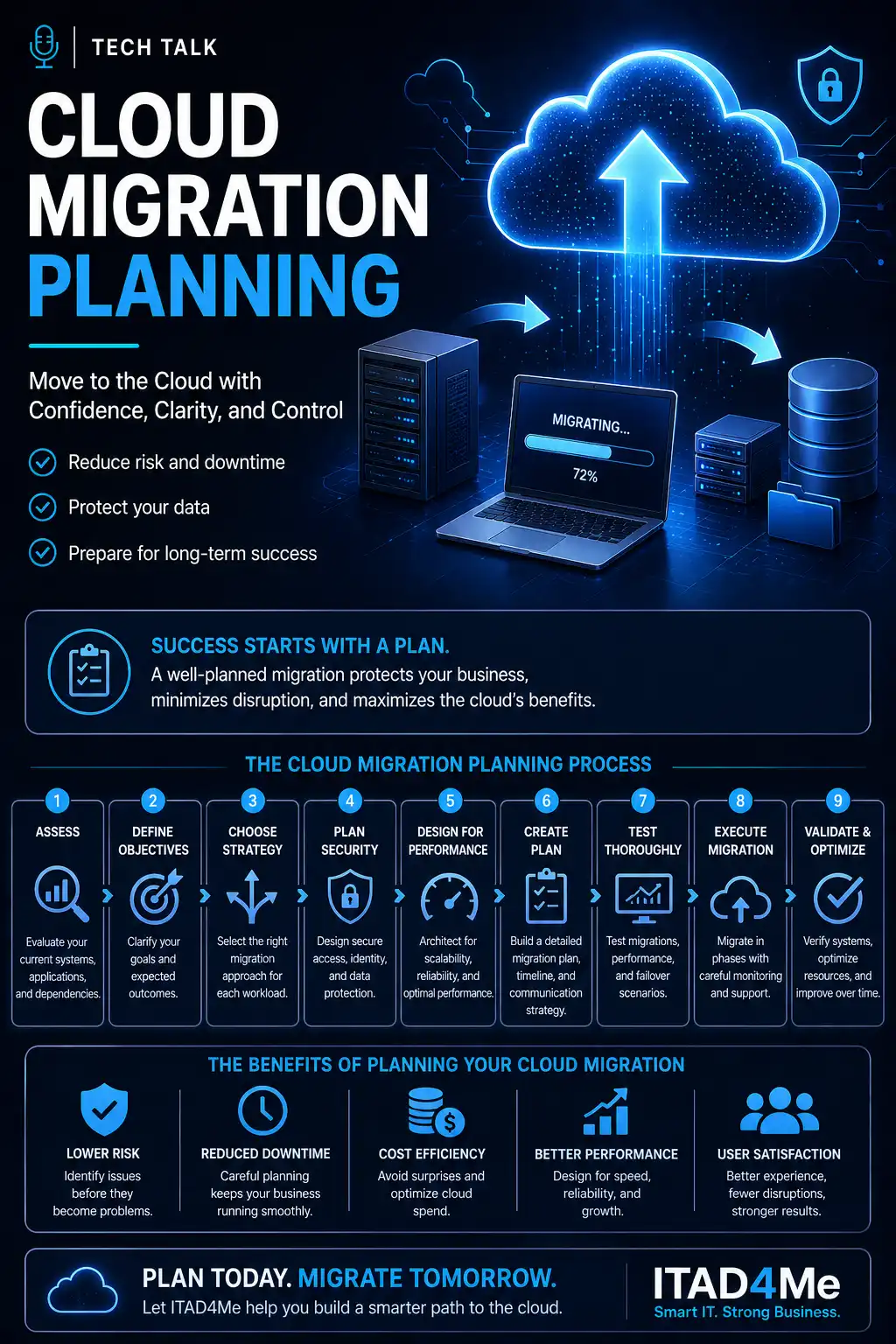
This issue is often caused by a lack of planning, as outlined in cloud infrastructure planning guide.
Using modern tools on outdated infrastructure creates performance and reliability issues.
What Breaks Cloud Infrastructure in Modern Businesses
Common issues include:
- rapid growth without planning
- poor system integration
- lack of monitoring
- weak security controls
These problems are often tied to gaps in cloud infrastructure strategy.
The Role of Components in Modern Infrastructure
Modern environments depend on multiple components working together.
These include:
- compute
- storage
- networking
- security
- management
Understanding how these interact is critical.
See cloud infrastructure components.
Modern infrastructure depends on multiple components working together — not independently.
The Complexity of Modern Cloud Environments
Modern systems are:
- interconnected
- distributed
- constantly evolving
This creates:
- dependencies between systems
- increased troubleshooting complexity
- higher risk of cascading failures
These challenges are explained in cloud infrastructure explained.
What a Modern Cloud Infrastructure Should Look Like
A well-designed environment includes:
- scalable systems
- redundant architecture
- secure access controls
- continuous monitoring
It should also align with designing cloud infrastructure.
Modern infrastructure must be designed to handle growth, failure, and complexity.
How Infrastructure Impacts Business Performance
Infrastructure directly affects:
- system speed
- employee productivity
- customer experience
- operational efficiency
Poor infrastructure leads to:
- delays
- downtime
- lost opportunities
Infrastructure performance directly impacts business performance.
How to Know If Your Infrastructure Is Outdated
You may have a gap if:
- systems slow down during growth
- outages occur under demand
- infrastructure is undocumented
- performance is inconsistent
If your infrastructure cannot support modern business demands, it needs to be improved.
How This Connects to Other Cloud Topics
Modern business infrastructure depends on:
- what is cloud infrastructure
- cloud infrastructure explained
- cloud infrastructure architecture
- cloud infrastructure planning guide
- cloud infrastructure strategy
What This Means for Your Business
Your infrastructure determines:
- how your business operates
- how your systems perform
- how well you can grow
It is not just an IT concern.
It is a business foundation.
Modern businesses are only as strong as the infrastructure they rely on.
Final Thoughts
Cloud infrastructure is not optional for modern business.
It is essential.
Without it:
- growth is limited
- systems fail
- risks increase
With it:
- systems scale
- performance improves
- operations become reliable
Need help with this topic?
Make sure your backups actually work when it matters.
Most businesses discover backup failures during an outage. We help you validate recovery, reduce downtime risk, and build a system that works under pressure.
- Backup validation and testing
- Recovery time optimization
- Clear recovery documentation