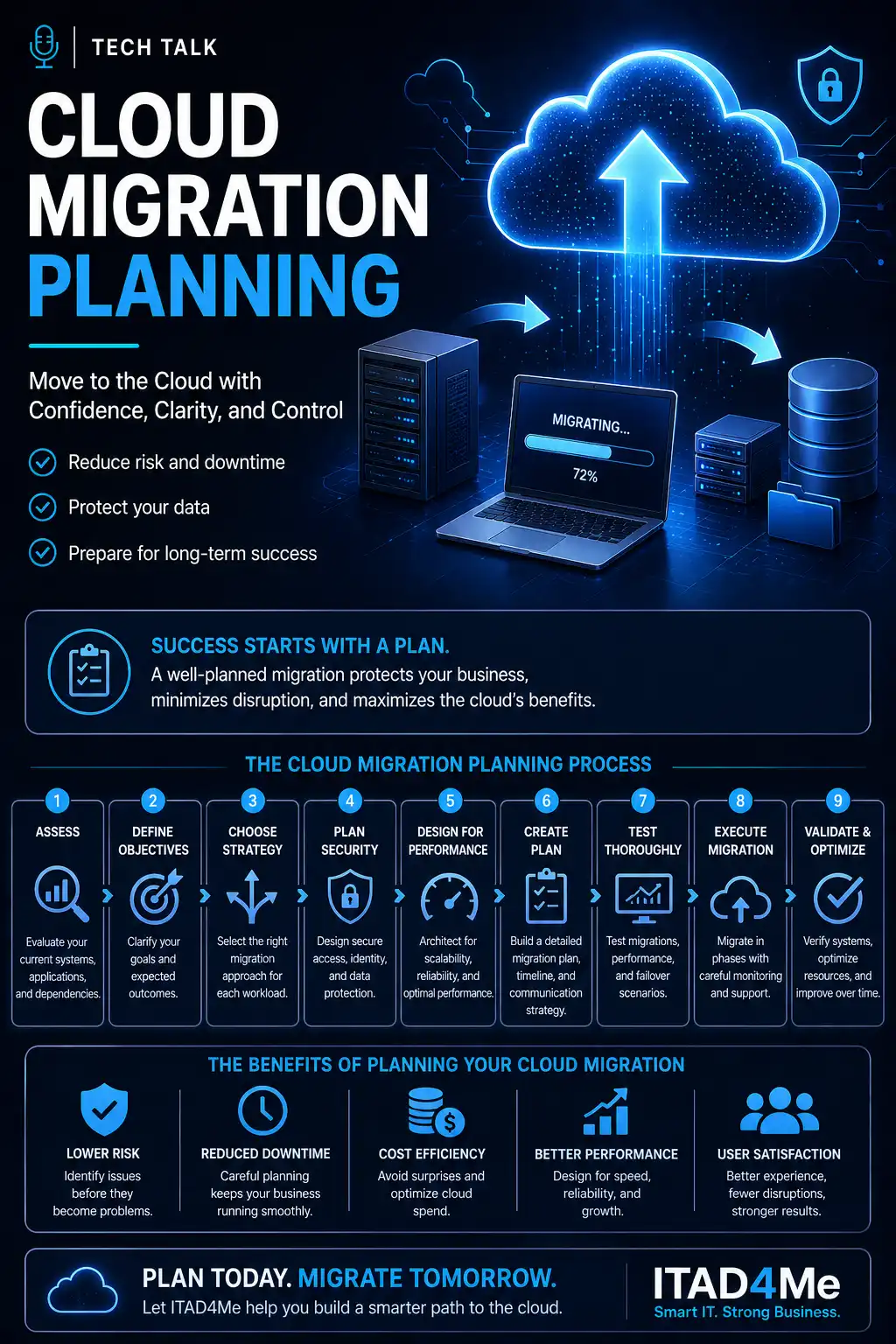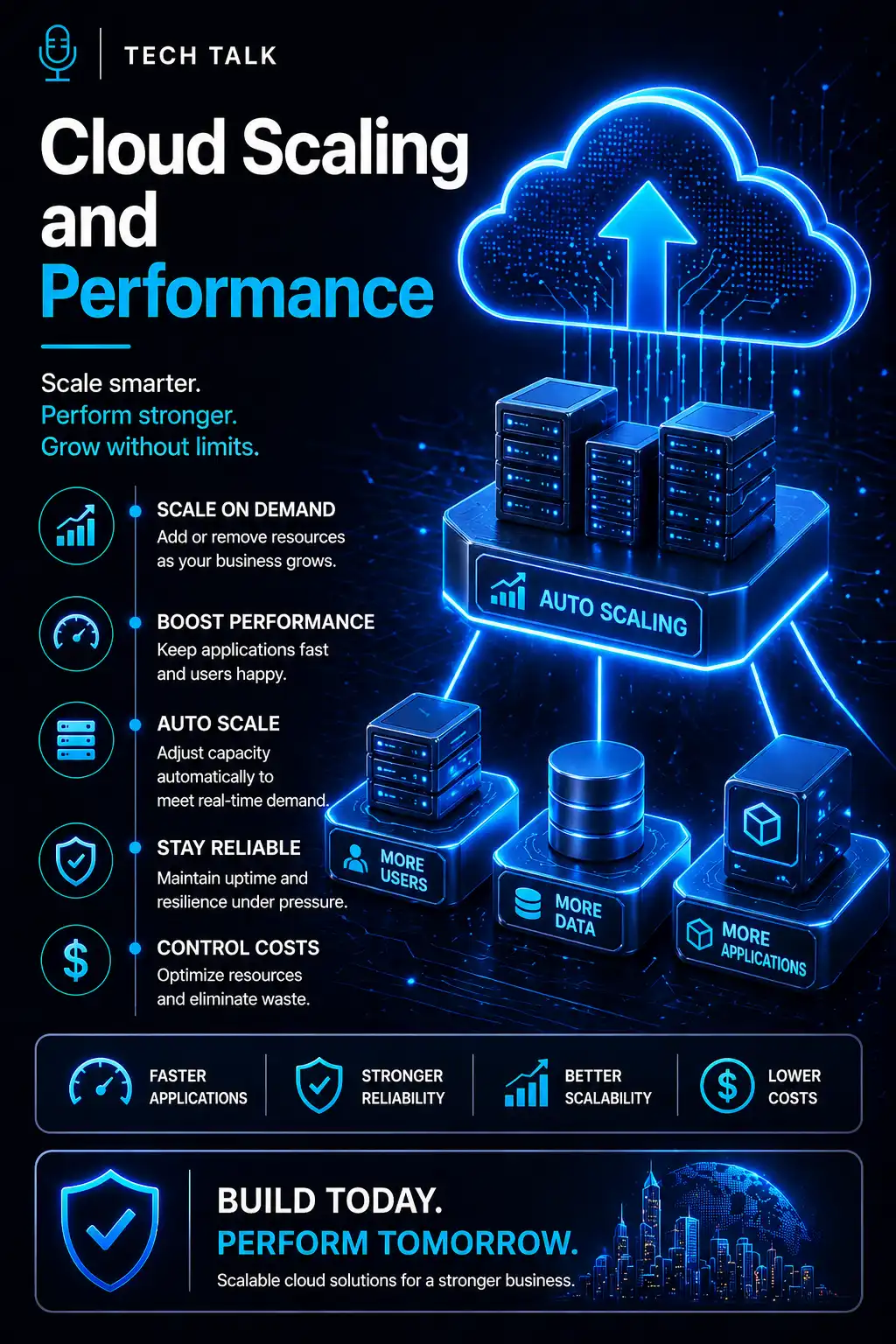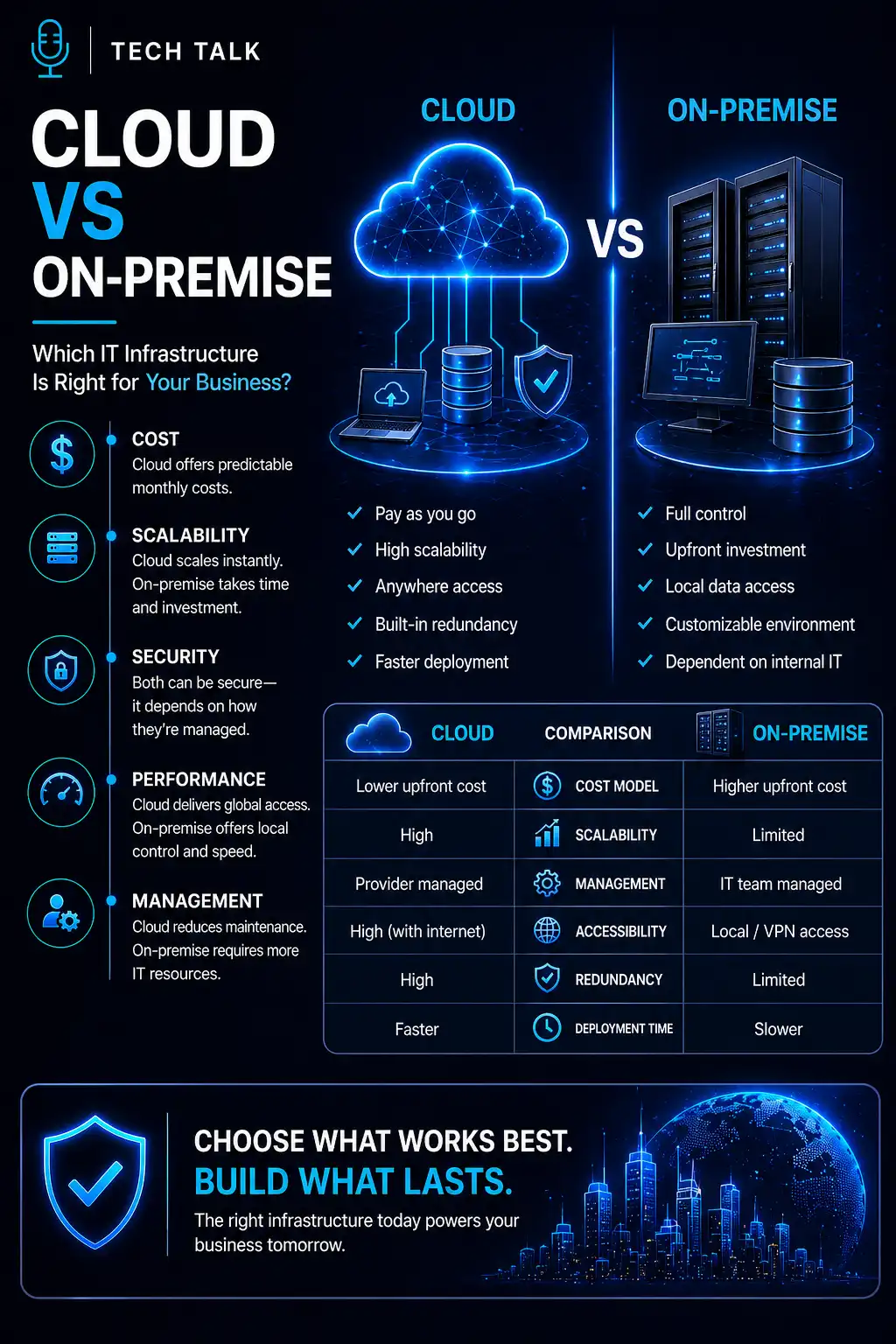
What Cloud Misconfigurations Really Are
Cloud misconfigurations occur when systems are set up incorrectly or inconsistently.
These errors can affect:
- access permissions
- network settings
- storage visibility
- system behavior
They are rarely obvious.
But they can create significant risk.
If you need foundational context, start with what cloud infrastructure is.
Most cloud failures are not caused by outages — they are caused by misconfiguration.
Why Misconfigurations Are So Dangerous
Cloud environments are complex.
They involve:
- multiple systems
- interconnected components
- layered configurations
A small mistake in one area can impact the entire system.
This complexity is explained in cloud infrastructure explained.
Misconfigurations are dangerous because they are often hidden until they cause failure.
What a Real Misconfiguration Failure Looks Like
A typical scenario:
- a storage system is configured incorrectly
- access permissions are too broad
- sensitive data becomes publicly accessible
Or:
- a network rule allows unrestricted access
- unauthorized users connect to systems
At that point:
- data is exposed
- systems are compromised
- recovery becomes complex
These risks are often tied to weak cloud infrastructure security.
Many cloud security incidents are caused by simple configuration errors.
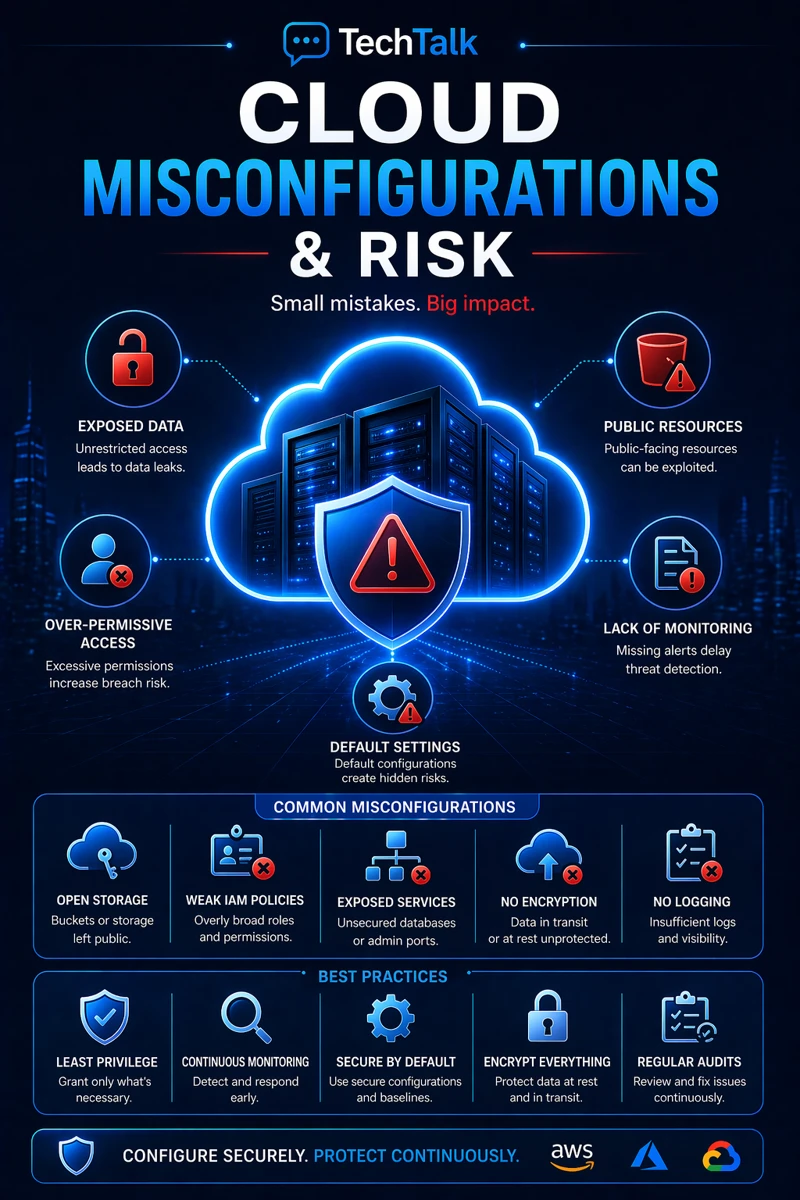
The Most Common Types of Cloud Misconfigurations
Misconfigurations appear in several key areas.
Access Misconfigurations
These involve incorrect permissions.
Examples:
- users with excessive access
- shared credentials
- lack of role-based control
This is closely tied to issues covered in securing cloud infrastructure.
Risk:
- unauthorized access
- data exposure
Storage Misconfigurations
These involve how data is stored and accessed.
Examples:
- public storage buckets
- unprotected databases
- lack of encryption
Risk:
- data leaks
- compliance issues
Network Misconfigurations
These involve connectivity and access.
Examples:
- open ports
- weak firewall rules
- poor segmentation
These issues often stem from poor cloud infrastructure architecture.
Risk:
- unauthorized access
- system compromise
Monitoring Gaps
These occur when systems are not properly observed.
Examples:
- no logging
- no alerts
- limited visibility
Risk:
- delayed detection
- prolonged exposure
Configuration Drift
This occurs when systems change over time.
Examples:
- inconsistent settings
- undocumented changes
- environments evolving without control
This is common in environments lacking cloud infrastructure strategy.
Risk:
- unpredictability
- hidden vulnerabilities
Misconfigurations often happen over time — not all at once.
The Hidden Risk: Complexity and Growth
As environments grow:
- more systems are added
- configurations increase
- dependencies expand
Without control:
- misconfigurations accumulate
- risk increases
This is a common issue in environments without proper cloud infrastructure planning.
The more complex your environment becomes, the easier it is for misconfigurations to occur.
What Breaks Configuration Management
Misconfigurations typically occur due to:
- lack of standardization
- manual configuration changes
- poor documentation
- insufficient monitoring
These issues are often tied to weak cloud infrastructure components alignment.
What a Well-Configured Environment Looks Like
A strong environment includes:
- standardized configurations
- strict access controls
- secure network design
- continuous monitoring
It also aligns with cloud infrastructure risk management.
Consistency and visibility are key to preventing misconfigurations.
How Misconfigurations Impact Business Risk
Misconfigurations directly affect:
- security
- performance
- system stability
They can lead to:
- data breaches
- downtime
- financial loss
Small configuration errors can create major business risks.
How to Know If Misconfigurations Exist
You may have a gap if:
- configurations are undocumented
- access permissions are unclear
- systems are not monitored
- environments change frequently
If your configurations are not standardized and monitored, your environment is at risk.
How to Prevent Cloud Misconfigurations
Start with:
- standardizing configurations
- implementing access control policies
- enabling monitoring and alerts
- reviewing environments regularly
These steps align with principles in designing cloud infrastructure.
How This Connects to Other Cloud Topics
Misconfiguration risk is part of a larger infrastructure system.
It connects to:
- what is cloud infrastructure
- cloud infrastructure explained
- cloud infrastructure architecture
- cloud infrastructure security
- cloud infrastructure risk management
What This Means for Your Business
Your configuration determines:
- how secure your systems are
- how stable your environment is
- how much risk your business carries
It is not just technical.
It is operational.
Most cloud risk is not caused by technology — it is caused by how technology is configured.
Final Thoughts
Cloud misconfigurations are one of the biggest risks in modern infrastructure.
But they are also one of the most preventable.
With proper control:
- risk is reduced
- systems are stable
- operations remain secure
Need help with this topic?
Make sure your backups actually work when it matters.
Most businesses discover backup failures during an outage. We help you validate recovery, reduce downtime risk, and build a system that works under pressure.
- Backup validation and testing
- Recovery time optimization
- Clear recovery documentation