What Cloud Performance Optimization Really Means
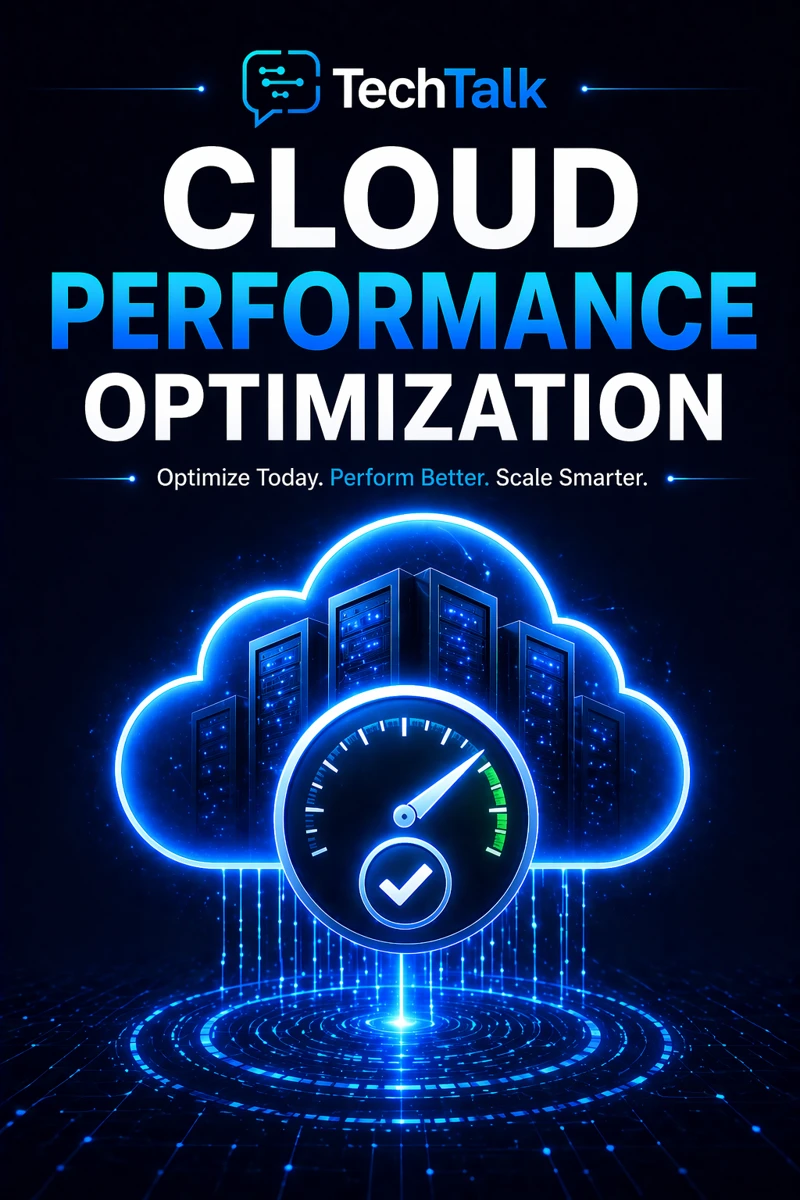
Cloud performance optimization is the process of improving how your systems operate.
It focuses on:
- speed
- responsiveness
- efficiency
- scalability
It is not a one-time task.
It is an ongoing process of monitoring, adjusting, and improving.
If you need foundational context, start with what cloud infrastructure is.
Cloud systems do not automatically perform well — performance depends on design and configuration.
Why Performance Matters for Business
System performance directly impacts:
- employee productivity
- customer experience
- operational efficiency
When systems slow down:
- workflows are disrupted
- users become frustrated
- business outcomes are affected
This makes performance a critical part of cloud infrastructure reliability.
What a Real Performance Problem Looks Like
A typical scenario:
- systems perform well initially
- usage increases over time
- performance begins to degrade
- applications become slow
- users experience delays
At that point:
- productivity drops
- troubleshooting becomes complex
- costs may increase
These issues are often tied to poor cloud infrastructure architecture.
Performance problems often appear during growth — not during initial deployment.
The Core Areas of Cloud Performance Optimization
Performance depends on multiple factors.
Compute Optimization (Processing Efficiency)
Ensure systems have the right amount of processing power.
This includes:
- right-sizing instances
- scaling resources
- balancing workloads
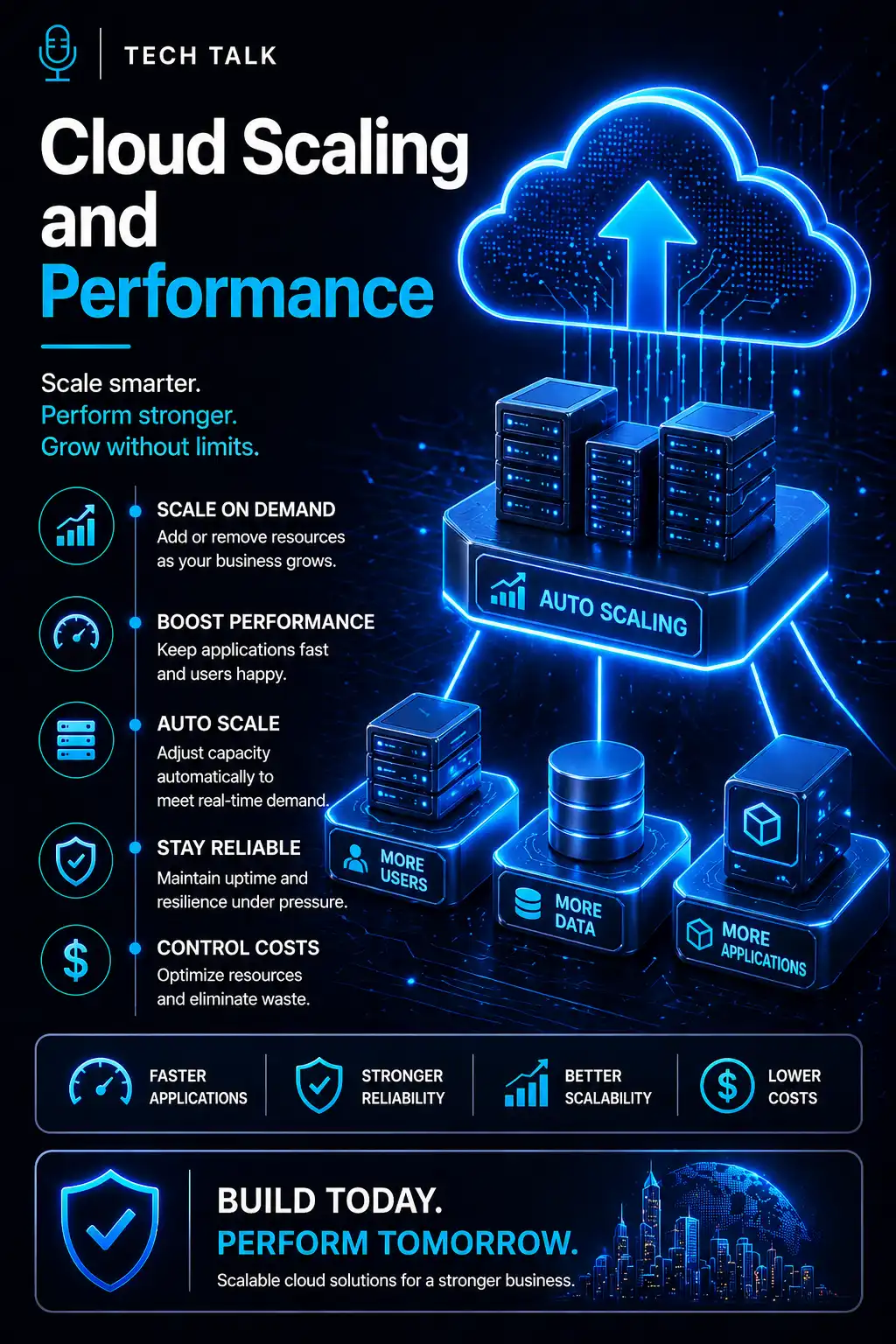
This ties directly to cloud scaling and performance.
What breaks here:
- underprovisioned systems
- inefficient scaling
Storage Optimization (Data Access Speed)
Ensure data can be accessed quickly.
This includes:
- selecting the right storage type
- optimizing I/O performance
- managing data placement
What breaks here:
- slow disk performance
- improper storage configuration
Network Optimization (Reducing Latency)
Ensure efficient communication between systems.
This includes:
- optimizing routing
- reducing latency
- improving load distribution
These issues are often caused by misalignment in cloud infrastructure components.
What breaks here:
- bottlenecks
- inefficient routing
Application Optimization (Software Efficiency)
Ensure applications are efficient.
This includes:
- optimizing code
- reducing unnecessary processing
- improving integration performance
Monitoring and Tuning (Continuous Improvement)
Performance must be monitored continuously.
This includes:
- tracking metrics
- identifying bottlenecks
- adjusting systems
This is often missing in environments without proper cloud infrastructure planning.
Performance optimization is about identifying bottlenecks and improving how systems work together.
The Hidden Risk: Misdiagnosing Performance Issues
Many businesses assume:
- “we need more resources”
In reality:
- performance issues are often caused by misconfiguration
Examples:
- adding compute when storage is the bottleneck
- scaling systems without fixing architecture
This is a common issue in environments lacking cloud infrastructure strategy.
Throwing resources at a performance problem often increases cost without fixing the issue.
What Breaks Cloud Performance
Performance issues typically come from:
- poor system design
- inefficient configurations
- lack of monitoring
- misaligned components
These issues are often tied to cloud misconfigurations and risk.
The Role of Architecture in Performance
Performance is largely determined by design.
Good architecture ensures:
- efficient resource usage
- scalable systems
- balanced workloads
This aligns with designing cloud infrastructure.
Performance optimization starts with architecture — not tuning.
The Complexity of Optimizing Modern Systems
Modern cloud environments are:
- distributed
- interconnected
- constantly changing
This creates:
- multiple potential bottlenecks
- dependency chains
- dynamic workloads
These challenges are explained in cloud infrastructure explained.
What a High-Performing Environment Looks Like
A strong environment includes:
- properly sized resources
- efficient storage
- optimized networking
- continuous monitoring
It must also support high availability in cloud infrastructure.
High-performing systems are efficient, scalable, and continuously optimized.
How Performance Impacts Cost
Performance and cost are closely related.
Poor performance leads to:
- overprovisioned resources
- inefficient scaling
- higher expenses
Optimized performance ensures:
- efficient resource usage
- reduced waste
- controlled costs
Performance optimization reduces cost by eliminating inefficiencies.
How to Know If Your Performance Needs Improvement
You may have a gap if:
- systems slow down under load
- performance is inconsistent
- costs increase unexpectedly
- bottlenecks are unclear
If performance issues are recurring, your infrastructure needs optimization.
How to Improve Cloud Performance
Start with:
- monitoring system performance
- identifying bottlenecks
- optimizing resource allocation
- improving architecture
These steps align with broader cloud infrastructure strategy.
How This Connects to Other Cloud Topics
Performance is part of a complete infrastructure system.
It connects to:
- what is cloud infrastructure
- cloud infrastructure reliability
- cloud infrastructure architecture
- high availability in cloud infrastructure
- cloud infrastructure strategy
What This Means for Your Business
Your performance determines:
- how fast your systems operate
- how efficiently your team works
- how well your business scales
It is not optional.
It is essential.
Performance optimization ensures your systems keep up with your business.
Final Thoughts
Cloud performance optimization is not a one-time fix.
It is an ongoing process.
When done correctly:
- systems run efficiently
- costs are controlled
- performance remains consistent
Need help with this topic?
Make sure your backups actually work when it matters.
Most businesses discover backup failures during an outage. We help you validate recovery, reduce downtime risk, and build a system that works under pressure.
- Backup validation and testing
- Recovery time optimization
- Clear recovery documentation