What Cloud Infrastructure Automation Really Means
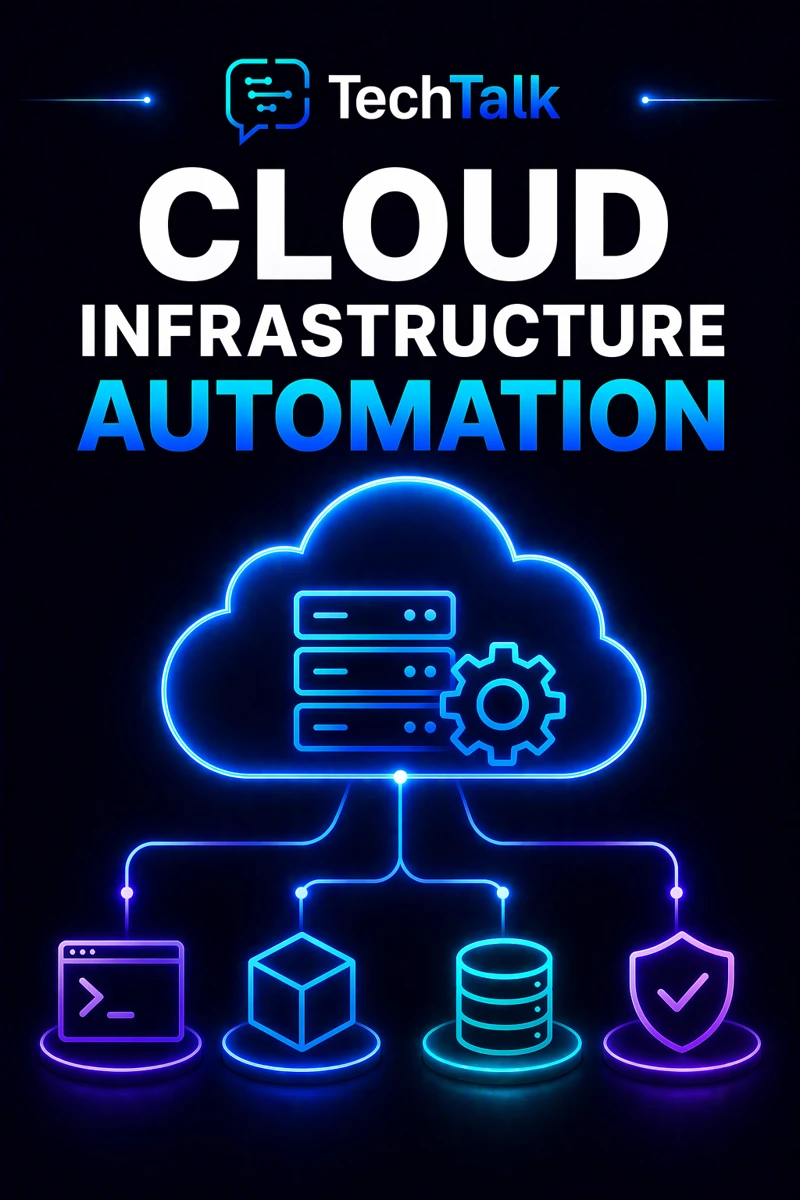
Cloud infrastructure automation is the use of tools and processes to manage systems automatically.
It replaces manual tasks such as:
- provisioning resources
- configuring systems
- scaling infrastructure
Automation ensures:
- consistency
- efficiency
- scalability
If you need foundational context, start with what cloud infrastructure is.
Manual cloud management does not scale — automation is required for modern environments.
Why Automation Matters
Cloud environments are:
- dynamic
- complex
- constantly changing
Without automation:
- tasks take longer
- errors increase
- systems become inconsistent
Automation enables:
- faster operations
- reliable processes
- scalable systems
This is a key part of managing cloud infrastructure.
What a Real Automation Gap Looks Like
A typical scenario:
- systems are deployed manually
- configurations vary
- scaling requires manual effort
- errors occur
At that point:
- inefficiencies increase
- downtime risk grows
- management becomes difficult
These issues are often tied to lack of cloud infrastructure strategy.
Manual processes are one of the biggest sources of cloud inefficiency and risk.
The Core Areas of Cloud Automation
Automation applies to multiple areas.
Provisioning Automation (Deploying Resources)
Automatically create resources.
This includes:
- servers
- storage
- networks
What it solves:
- slow deployment
- inconsistent environments
Configuration Automation (Standardizing Systems)
Ensure systems are configured consistently.
This includes:
- applying settings
- enforcing standards
What it solves:
- configuration drift
- errors
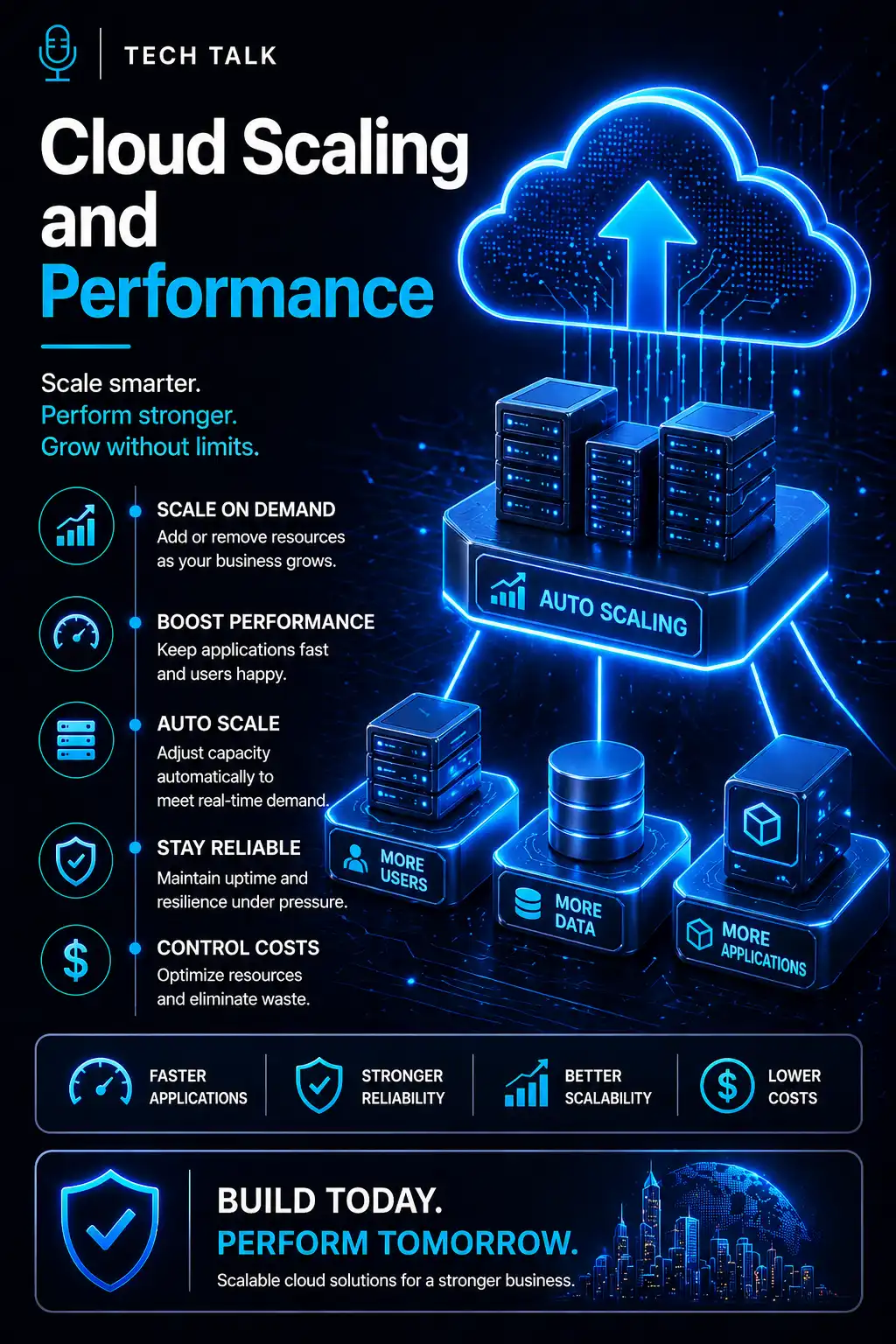
Scaling Automation (Adjusting Capacity)
Automatically adjust resources based on demand.
This includes:
- scaling up
- scaling down
This aligns with scaling cloud infrastructure.
Monitoring and Alerting Automation (Detecting Issues)
Automatically detect and respond to issues.
This includes:
- alerts
- automated responses
This aligns with cloud infrastructure monitoring.
Cost Optimization Automation (Reducing Waste)
Automatically optimize resource usage.
This includes:
- shutting down unused resources
- adjusting capacity
This aligns with cloud infrastructure cost optimization.
Automation improves efficiency across provisioning, configuration, scaling, monitoring, and cost management.
The Hidden Risk: Partial Automation
Many businesses:
- automate some tasks
- leave others manual
This leads to:
- inconsistent systems
- gaps in efficiency
- increased risk
This is common in environments lacking cloud infrastructure planning.
Partial automation creates inconsistencies and reduces overall effectiveness.
What Breaks Cloud Automation
Automation fails when:
- processes are not defined
- tools are not integrated
- monitoring is insufficient
- governance is lacking
These issues are often tied to cloud misconfigurations and risk.
The Role of Monitoring in Automation
Automation relies on visibility.
This includes:
- performance data
- usage insights
- alerts
This aligns with cloud infrastructure monitoring.
Automation without monitoring cannot respond effectively to real-world conditions.
The Role of Scaling in Automation
Automation enables dynamic scaling.
This includes:
- real-time adjustments
- demand-based allocation
This ties into cloud performance optimization.
The Role of Governance in Automation
Automation must follow rules.
This includes:
- policies
- access control
- compliance
This aligns with cloud cost management strategies.
The Complexity of Automation
Automated environments are:
- faster
- more efficient
- more scalable
But they also require:
- proper configuration
- ongoing monitoring
- consistent management
These challenges are explained in cloud infrastructure explained.
What a Fully Automated Environment Looks Like
A strong environment includes:
- automated provisioning
- consistent configuration
- dynamic scaling
- continuous monitoring
It must also align with designing cloud infrastructure.
Automation should be comprehensive, consistent, and continuously monitored.
How Automation Impacts Business Operations
Automation enables:
- faster deployment
- reduced errors
- improved scalability
Without automation:
- operations slow down
- errors increase
- growth becomes difficult
Automation is essential for scaling operations efficiently.
How to Know If You Need More Automation
You may have a gap if:
- tasks are manual
- deployments are slow
- errors are frequent
- scaling is inconsistent
If your cloud processes rely heavily on manual work, automation is needed.
How to Implement Cloud Automation
Start with:
- identifying repetitive tasks
- implementing automation tools
- integrating systems
- monitoring automated processes
These steps align with broader cloud infrastructure strategy.
How This Connects to Other Cloud Topics
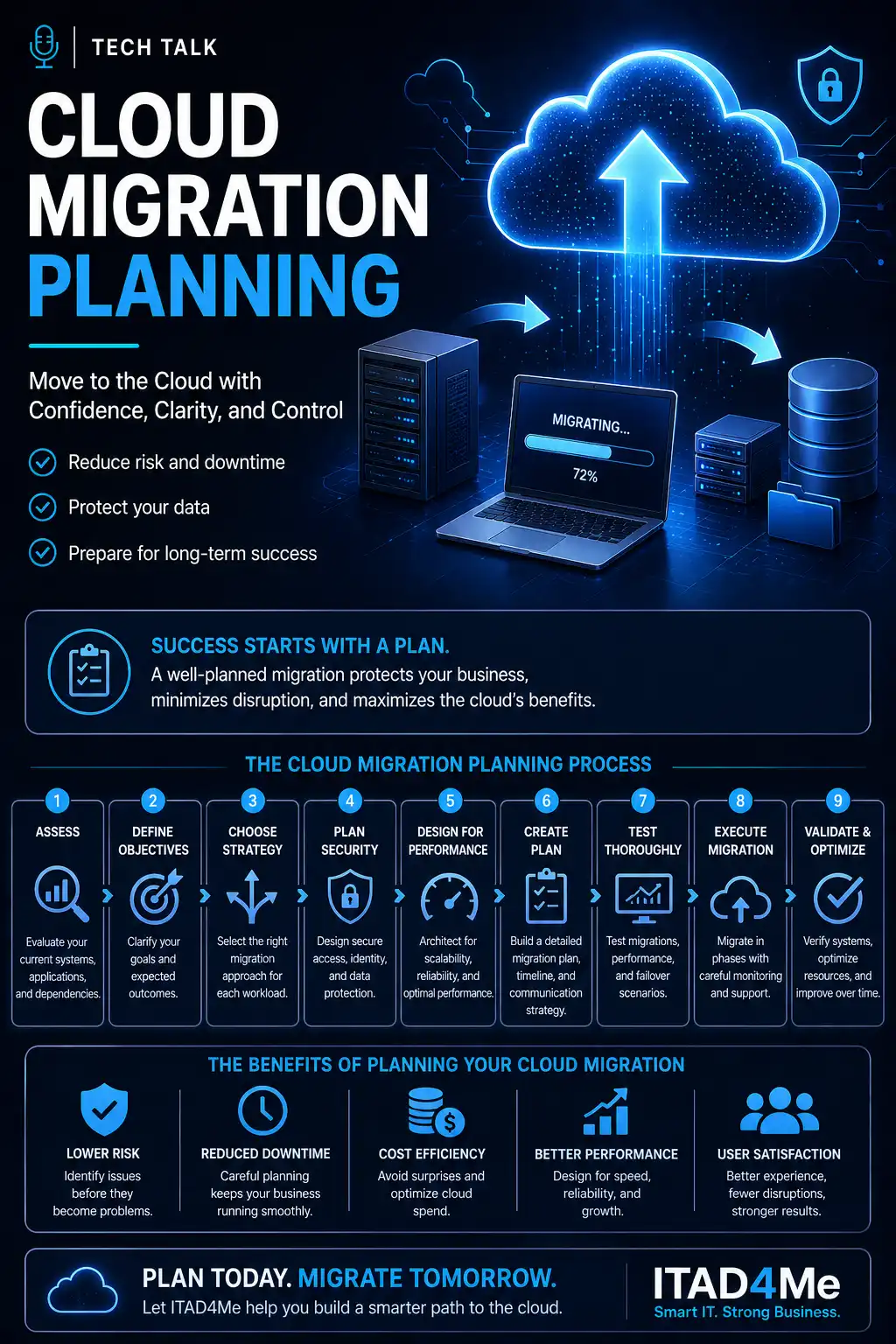
Automation is part of a complete infrastructure system.
It connects to:
- what is cloud infrastructure
- managing cloud infrastructure
- cloud infrastructure monitoring
- cloud performance optimization
- cloud infrastructure strategy
What This Means for Your Business
Your level of automation determines:
- how efficiently you operate
- how scalable your systems are
- how consistent your infrastructure is
It is not optional.
It is essential.
Automation enables cloud infrastructure to scale efficiently and operate reliably.
Final Thoughts
Cloud infrastructure automation is not just a convenience.
It is a requirement for modern environments.
When implemented correctly:
- systems are efficient
- processes are consistent
- operations scale effectively
Need help with this topic?
Make sure your backups actually work when it matters.
Most businesses discover backup failures during an outage. We help you validate recovery, reduce downtime risk, and build a system that works under pressure.
- Backup validation and testing
- Recovery time optimization
- Clear recovery documentation