What Cloud Cost Optimization Really Means
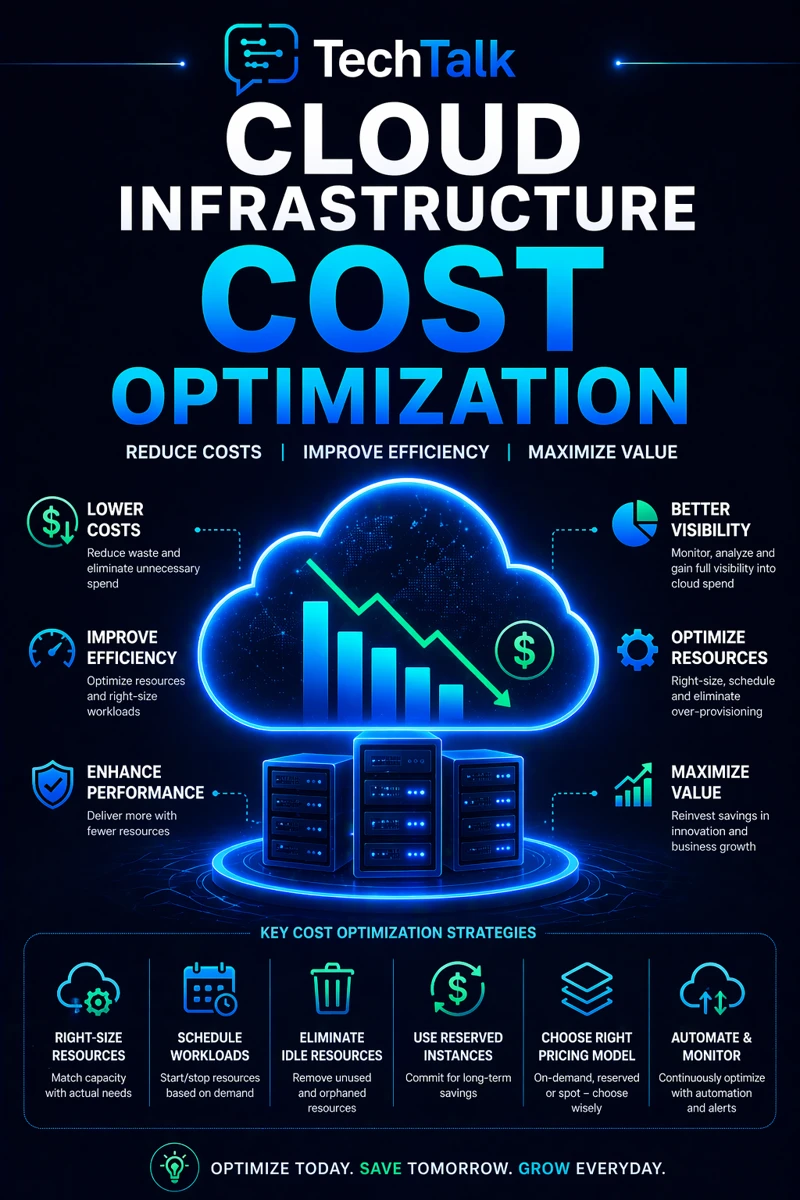
Cloud cost optimization is the process of reducing unnecessary spending while maintaining performance and reliability.
It focuses on:
- eliminating waste
- improving efficiency
- aligning resources with demand
It is not just about cutting costs.
It is about using resources effectively.
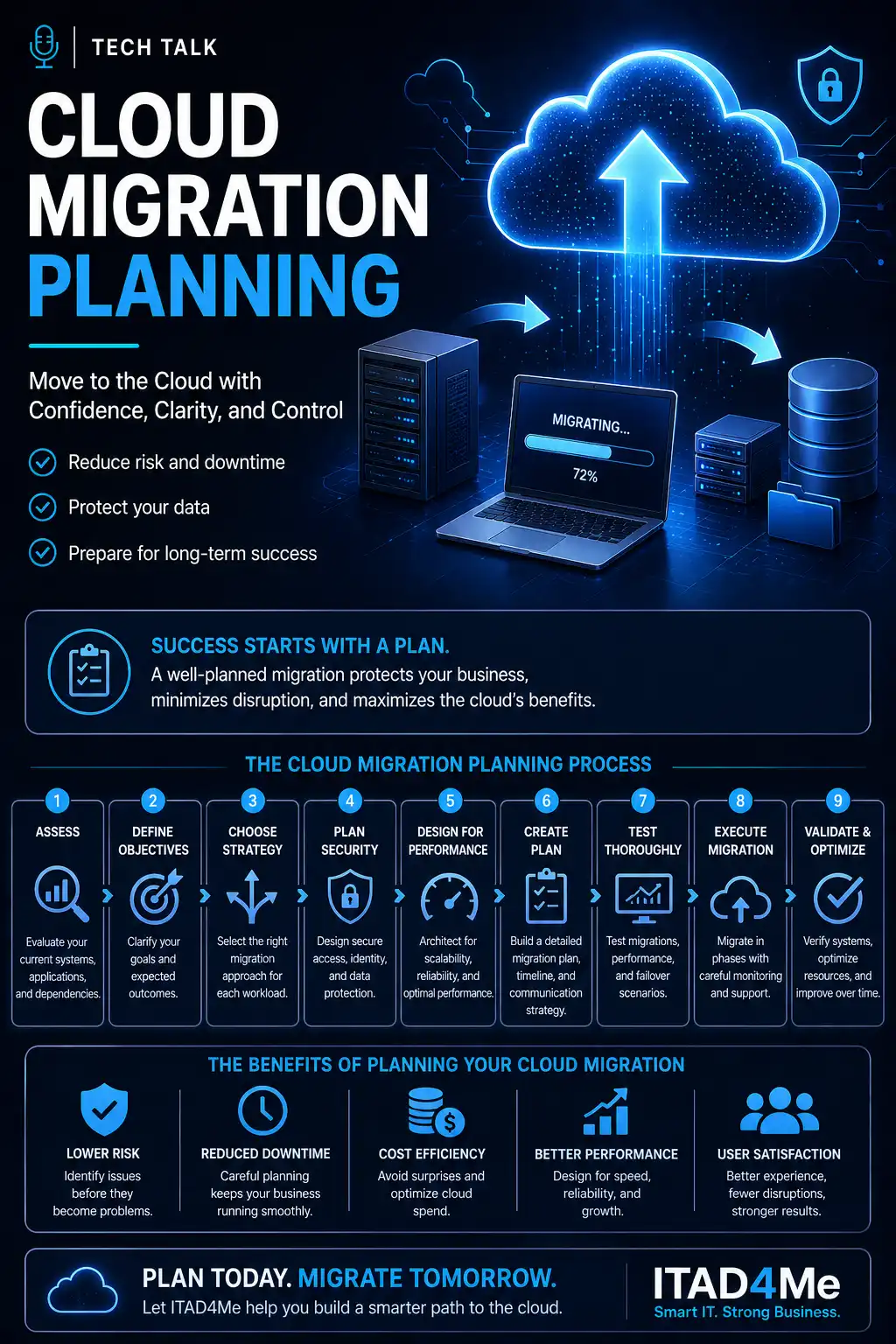
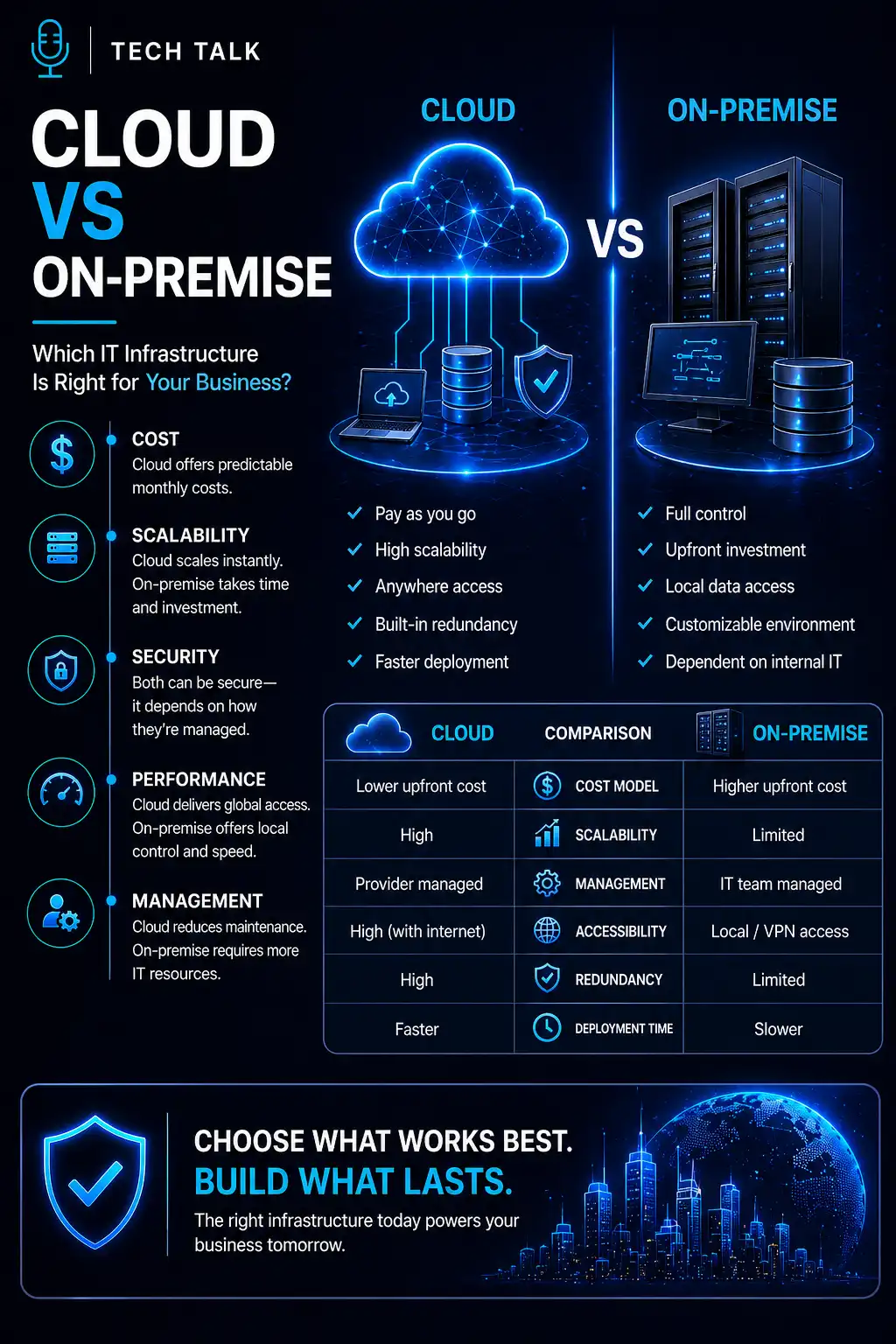
If you need foundational context, start with what cloud infrastructure is.
Cloud cost is not just a billing issue — it is a design and strategy issue.
Why Cloud Costs Get Out of Control
Cloud environments are flexible.
This makes it easy to:
- add resources quickly
- scale systems
- deploy new services
Without control:
- resources are overprovisioned
- systems are inefficient
- costs increase
This is a common issue in environments lacking cloud infrastructure strategy.
Most cloud waste comes from unused or inefficient resources.
What a Real Cost Problem Looks Like
A typical scenario:
- systems are provisioned for peak demand
- resources remain allocated even when not needed
- costs continue to increase
At that point:
- spending becomes unpredictable
- budgets are exceeded
- optimization becomes necessary
These issues are often tied to poor cloud infrastructure planning.
Cloud cost problems are usually caused by inefficiency — not usage.
The Core Areas of Cost Optimization
Effective optimization focuses on multiple areas.
Right-Sizing Resources (Matching Demand)
Ensure resources match actual usage.
This includes:
- reducing oversized instances
- adjusting capacity
This ties directly to cloud performance optimization.
What breaks here:
- overprovisioning
- wasted capacity
Scaling Efficiency (Dynamic Resource Use)
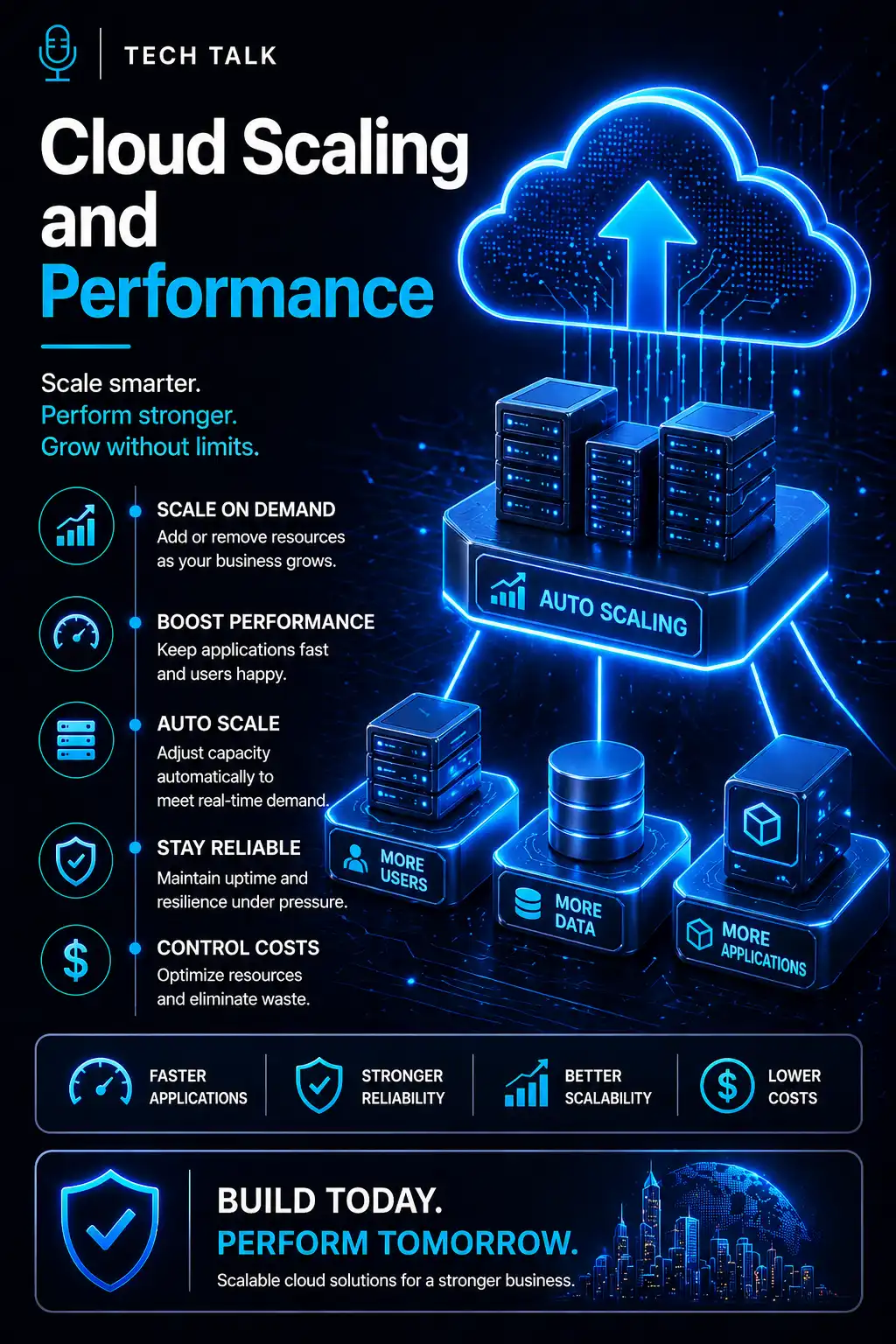
Use scaling to match demand.
This includes:
- auto-scaling
- scaling down during low usage
This aligns with scaling cloud infrastructure.
What breaks here:
- static resource allocation
- inefficient scaling
Storage Optimization (Managing Data Cost)
Ensure storage is efficient.
This includes:
- using appropriate storage types
- archiving unused data
What breaks here:
- storing unused data
- using high-cost storage unnecessarily
Monitoring and Visibility (Tracking Usage)
Track how resources are used.
This includes:
- usage monitoring
- cost tracking
This aligns with cloud infrastructure monitoring.
What breaks here:
- lack of visibility
- hidden costs
Architecture Efficiency (Design Optimization)
Design systems for efficiency.
This includes:
- minimizing unnecessary components
- optimizing workflows
This aligns with cloud infrastructure architecture.
Cost optimization is achieved by improving efficiency across resources, scaling, storage, and architecture.
The Hidden Risk: Optimizing Without Understanding
Many businesses attempt to:
- reduce resources quickly
- cut costs without analysis
This leads to:
- performance issues
- system instability
- degraded user experience
This is common in environments lacking cloud infrastructure explained.
Cost reduction without understanding can harm performance and reliability.
What Breaks Cost Optimization
Cost optimization fails when:
- systems are not monitored
- resources are not reviewed
- architecture is inefficient
- scaling is poorly configured
These issues are often tied to cloud misconfigurations and risk.
The Role of Components in Cost
All components impact cost.
These include:
- compute
- storage
- networking
Understanding these interactions is critical.
See cloud infrastructure components.
Cost is influenced by every component in your infrastructure.
The Complexity of Managing Cloud Costs
Modern cloud environments are:
- dynamic
- scalable
- interconnected
This creates:
- fluctuating costs
- multiple cost drivers
- complex billing structures
These challenges are explained in cloud infrastructure explained.
What an Optimized Environment Looks Like
A strong environment includes:
- right-sized resources
- efficient scaling
- optimized storage
- continuous monitoring
It must also align with cloud infrastructure strategy.
Cost optimization should be continuous — not a one-time effort.
How Cost Optimization Impacts Business Performance
Cost optimization directly affects:
- profitability
- operational efficiency
- scalability
Poor cost management leads to:
- wasted budget
- reduced margins
- inefficient operations
Cloud cost inefficiency reduces business profitability.
How to Know If Your Costs Are Not Optimized
You may have a gap if:
- costs increase without explanation
- resources are underutilized
- usage is not monitored
- scaling is inconsistent
If you do not understand your cloud costs, they are likely not optimized.
How to Improve Cloud Cost Optimization
Start with:
- reviewing resource usage
- implementing monitoring
- optimizing scaling
- improving architecture
These steps align with broader cloud infrastructure strategy.
How This Connects to Other Cloud Topics
Cost optimization is part of a complete infrastructure system.
It connects to:
- what is cloud infrastructure
- cloud performance optimization
- scaling cloud infrastructure
- cloud infrastructure monitoring
- cloud infrastructure strategy
What This Means for Your Business
Your cost optimization determines:
- how efficiently you operate
- how scalable your systems are
- how profitable your infrastructure is
It is not optional.
It is essential.
Cost optimization ensures your infrastructure supports your business — without unnecessary expense.
Final Thoughts
Cloud cost optimization is not about spending less.
It is about spending smarter.
When done correctly:
- waste is reduced
- performance is maintained
- costs are controlled
Need help with this topic?
Make sure your backups actually work when it matters.
Most businesses discover backup failures during an outage. We help you validate recovery, reduce downtime risk, and build a system that works under pressure.
- Backup validation and testing
- Recovery time optimization
- Clear recovery documentation