What Cloud Infrastructure Monitoring Really Means
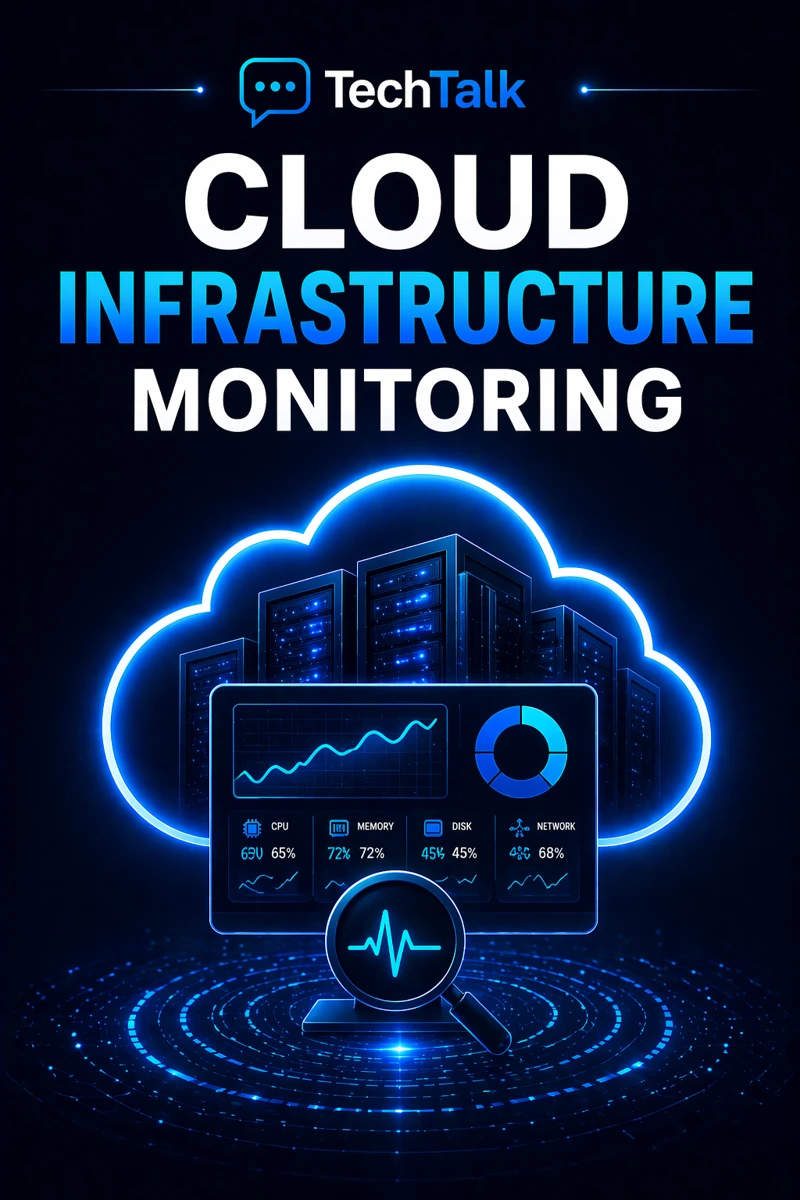
Cloud infrastructure monitoring is the process of observing your systems in real time.
It provides visibility into:
- system performance
- resource usage
- user activity
- potential issues
It allows you to detect problems early — before they impact operations.
If you need foundational context, start with what cloud infrastructure is.
You cannot manage or secure what you cannot see.
Why Monitoring Matters More Than Ever
Modern cloud environments are:
- distributed
- interconnected
- constantly changing
Without monitoring:
- issues go unnoticed
- failures escalate
- troubleshooting becomes difficult
This is why monitoring is a core part of cloud infrastructure reliability.
What a Real Monitoring Failure Looks Like
A typical scenario:
- systems begin to slow down
- no alerts are triggered
- users report issues
- troubleshooting begins late
At that point:
- downtime increases
- impact spreads
- root causes are harder to identify
These failures are often tied to poor cloud infrastructure planning.
Most problems are discovered by users — not monitoring systems.
The Core Areas of Cloud Infrastructure Monitoring
Monitoring must cover multiple areas.
Performance Monitoring (System Health)
Track how systems perform.
This includes:
- CPU usage
- memory usage
- response times
This ties directly to cloud performance optimization.
What it detects:
- slow systems
- resource bottlenecks
Availability Monitoring (Uptime)
Track whether systems are accessible.
This includes:
- uptime checks
- service availability
This aligns with high availability in cloud infrastructure.
What it detects:
- outages
- service interruptions
Security Monitoring (Threat Detection)
Track suspicious activity.
This includes:
- login attempts
- access changes
- unusual behavior
This supports cloud infrastructure security.
What it detects:
- unauthorized access
- potential breaches
Resource Monitoring (Usage and Cost)
Track how resources are used.
This includes:
- compute usage
- storage usage
- network traffic
This helps prevent inefficiencies discussed in cloud infrastructure strategy.
What it detects:
- overuse
- waste
Log Monitoring (System Activity)
Track detailed system events.
This includes:
- application logs
- system logs
- error logs
What it detects:
- root causes
- system behavior
Effective monitoring provides visibility across performance, availability, security, and usage.
The Hidden Risk: Lack of Visibility
Many businesses assume:
- “our systems are fine”
In reality:
- issues may already exist
- risks may be increasing
- performance may be degrading
This is a common issue in environments lacking cloud infrastructure explained.
Without monitoring, problems remain hidden until they become failures.
What Breaks Cloud Monitoring
Monitoring fails when:
- alerts are not configured
- logs are not reviewed
- systems are not tracked
- thresholds are incorrect
These issues often contribute to cloud misconfigurations and risk.
The Role of Components in Monitoring
Monitoring must cover all infrastructure components.
These include:
- compute
- storage
- networking
- security
Understanding these interactions is critical.
See cloud infrastructure components.
Monitoring must cover all components — not just individual systems.
The Complexity of Monitoring Modern Systems
Modern cloud environments are:
- dynamic
- distributed
- interconnected
This creates:
- large volumes of data
- complex dependencies
- multiple potential failure points
These challenges are explained in cloud infrastructure explained.
What a Well-Monitored Environment Looks Like
A strong monitoring strategy includes:
- real-time alerts
- comprehensive visibility
- automated detection
- clear reporting
It should also align with cloud infrastructure risk management.
Monitoring should detect issues early — not after they impact users.
How Monitoring Impacts Performance and Reliability
Monitoring directly affects:
- system uptime
- performance consistency
- issue resolution speed
Without monitoring:
- downtime increases
- performance degrades
- recovery takes longer
Monitoring reduces downtime by detecting issues before they escalate.
How to Know If Your Monitoring Is Inadequate
You may have a gap if:
- issues are reported by users first
- alerts are inconsistent
- logs are not reviewed
- visibility is limited
If you cannot see what is happening in your environment, you cannot control it.
How to Improve Cloud Monitoring
Start with:
- implementing monitoring tools
- setting alert thresholds
- reviewing logs regularly
- improving visibility across systems
These steps align with broader cloud infrastructure strategy.
How This Connects to Other Cloud Topics
Monitoring is a core part of infrastructure management.
It connects to:
- what is cloud infrastructure
- cloud infrastructure reliability
- cloud performance optimization
- cloud infrastructure security
- cloud infrastructure risk management
What This Means for Your Business
Your monitoring determines:
- how quickly issues are detected
- how effectively systems are managed
- how much risk your business carries
It is not optional.
It is essential.
Monitoring is the foundation of visibility, control, and reliability in the cloud.
Final Thoughts
Cloud infrastructure monitoring is not just a tool.
It is a process.
When done correctly:
- issues are detected early
- systems remain stable
- operations are protected
Need help with this topic?
Make sure your backups actually work when it matters.
Most businesses discover backup failures during an outage. We help you validate recovery, reduce downtime risk, and build a system that works under pressure.
- Backup validation and testing
- Recovery time optimization
- Clear recovery documentation