What Cloud Overprovisioning Really Means
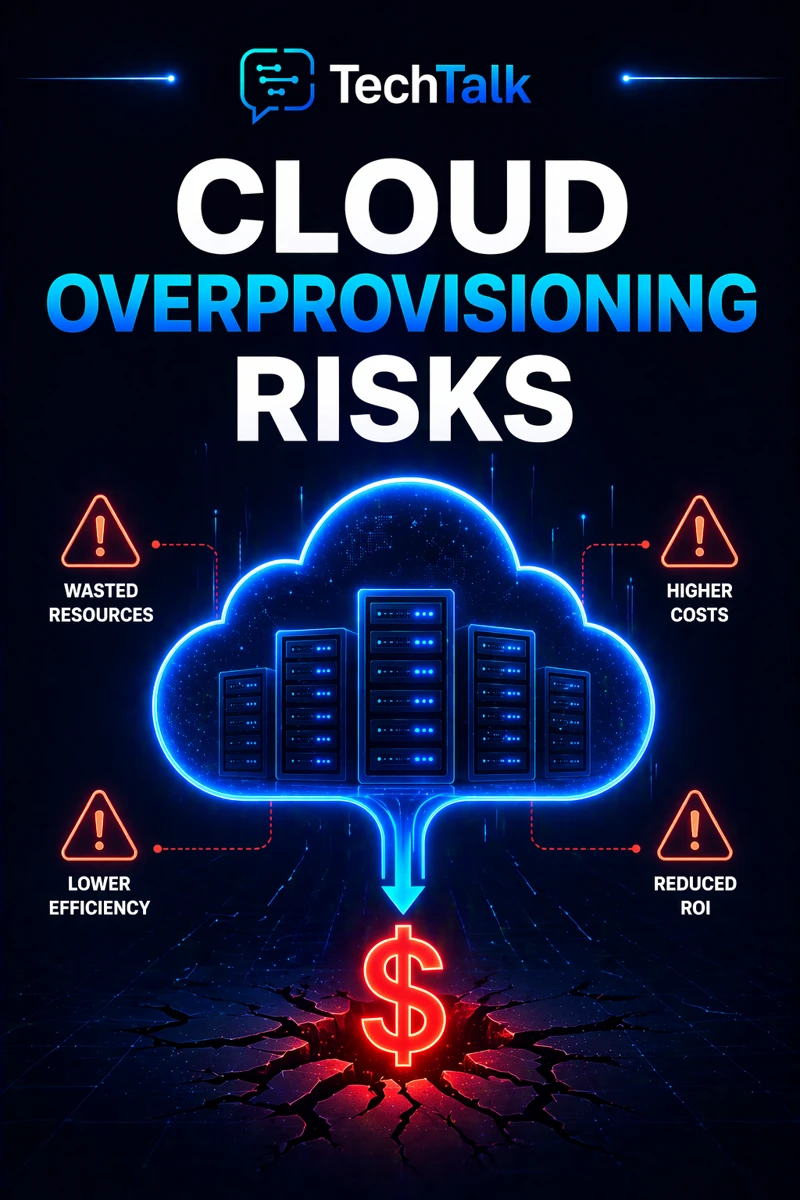
Cloud overprovisioning occurs when more resources are allocated than necessary.
This includes:
- excessive compute power
- unused storage
- over-allocated network capacity
It often happens when systems are designed for peak demand but never adjusted.
If you need foundational context, start with what cloud infrastructure is.
More resources do not always mean better performance — they often mean higher cost.
Why Overprovisioning Happens
Overprovisioning is often caused by:
- planning for worst-case scenarios
- lack of monitoring
- fear of performance issues
- static resource allocation
Without proper adjustment:
- resources remain unused
- costs increase over time
This is a common issue in environments lacking cloud infrastructure planning.
Overprovisioning is usually a result of poor visibility and lack of optimization.
What a Real Overprovisioning Scenario Looks Like
A typical scenario:
- systems are sized for peak demand
- usage remains moderate
- resources stay allocated
- costs increase unnecessarily
At that point:
- spending becomes inefficient
- performance gains are minimal
- waste accumulates
These issues are often tied to lack of cloud infrastructure cost optimization.
Most overprovisioned resources are never fully used.
The Core Risks of Overprovisioning
Overprovisioning creates multiple types of risk.
Financial Risk (Wasted Spending)
Unused resources increase cost.
This includes:
- idle compute
- unused storage
- unnecessary capacity
This ties into cloud cost management strategies.
Performance Risk (Inefficiency)
Overprovisioning can hide underlying issues.
Examples:
- inefficient architecture
- poor application performance
This connects to cloud performance optimization.
Operational Complexity (Harder Management)
More resources create:
- more systems to manage
- increased complexity
- higher maintenance effort
This aligns with challenges in cloud infrastructure explained.
Scaling Inefficiency (Poor Resource Use)
Overprovisioned systems often:
- do not scale properly
- waste resources during low demand
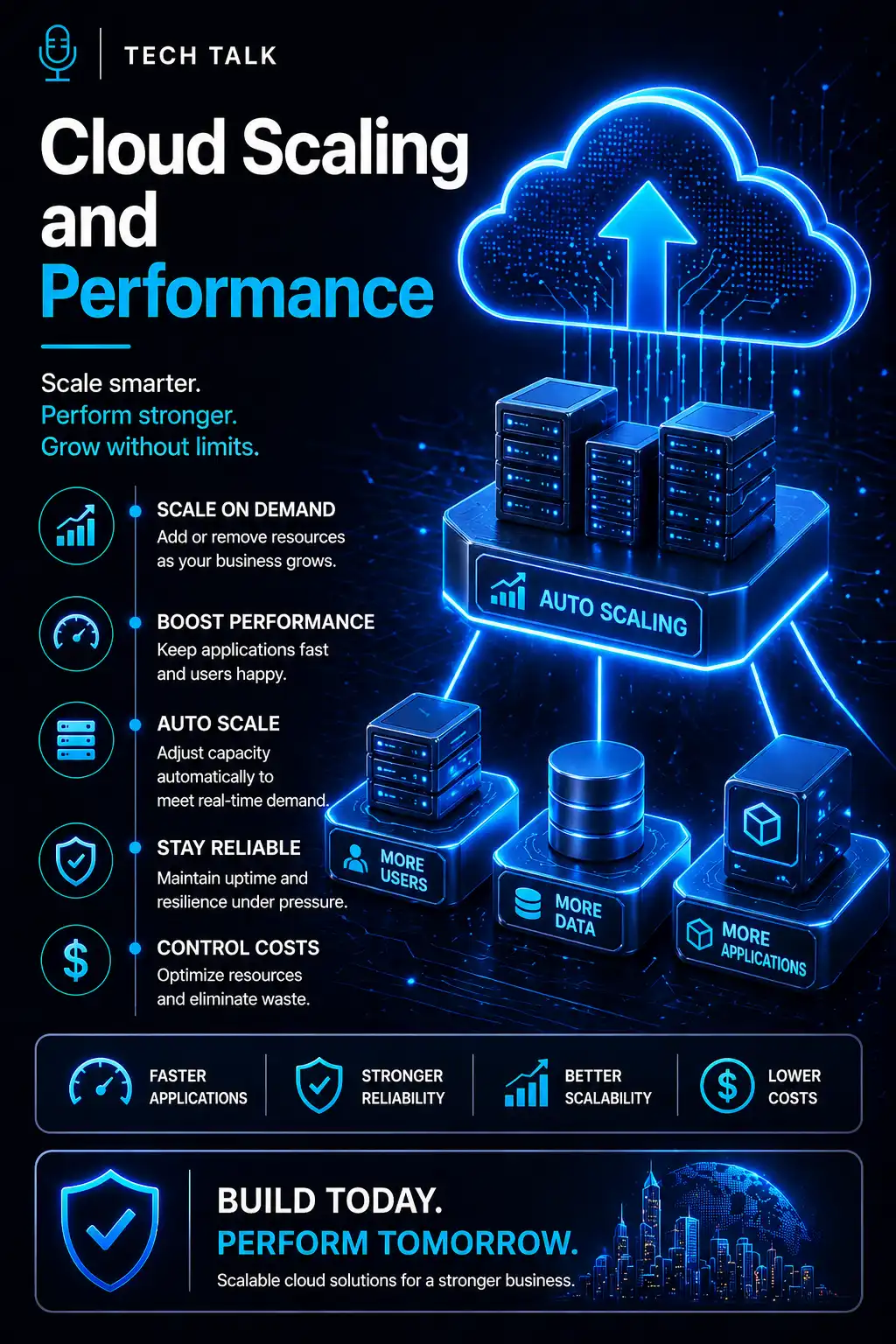
This ties into scaling cloud infrastructure.
Overprovisioning increases cost and complexity without improving performance.
The Hidden Risk: Masking Real Problems
Many businesses use overprovisioning to:
- avoid performance issues
- compensate for poor design
This leads to:
- hidden inefficiencies
- higher costs
- unresolved issues
This is common in environments lacking cloud infrastructure strategy.
Overprovisioning hides problems instead of solving them.
What Breaks Resource Efficiency
Overprovisioning occurs when:
- resources are not monitored
- scaling is not implemented
- architecture is inefficient
- usage is not reviewed
These issues are often tied to cloud misconfigurations and risk.
The Role of Monitoring in Preventing Overprovisioning
Monitoring helps:
- track usage
- identify waste
- optimize resources
This aligns with cloud infrastructure monitoring.
Without monitoring, overprovisioning goes unnoticed.
The Role of Architecture in Resource Efficiency
Efficient architecture ensures:
- proper resource allocation
- scalable systems
- balanced workloads
This aligns with cloud infrastructure architecture.
What an Efficient Environment Looks Like
A strong environment includes:
- right-sized resources
- dynamic scaling
- continuous monitoring
- optimized architecture
It must also align with cloud infrastructure cost optimization.
Efficient systems use only the resources they need — when they need them.
How Overprovisioning Impacts Business Performance
Overprovisioning directly affects:
- profitability
- operational efficiency
- scalability
Poor resource management leads to:
- wasted budget
- inefficient systems
- reduced margins
Overprovisioning reduces profitability without improving outcomes.
How to Know If You Are Overprovisioned
You may have a gap if:
- resource usage is consistently low
- costs are higher than expected
- scaling is not used
- performance does not improve with added resources
If your resources are underutilized, your environment is overprovisioned.
How to Fix Overprovisioning
Start with:
- monitoring resource usage
- right-sizing systems
- implementing scaling
- optimizing architecture
These steps align with broader cloud infrastructure strategy.
How This Connects to Other Cloud Topics
Overprovisioning is part of a complete infrastructure system.
It connects to:
- what is cloud infrastructure
- cloud infrastructure cost optimization
- cloud cost management strategies
- cloud performance optimization
- cloud infrastructure strategy
What This Means for Your Business
Your resource efficiency determines:
- how much you spend
- how well systems perform
- how scalable your infrastructure is
It is not optional.
It is essential.
Efficient resource usage ensures your cloud investment delivers real value.
Final Thoughts
Cloud overprovisioning is one of the most common and costly mistakes.
But it is also one of the easiest to fix.
When addressed properly:
- costs are reduced
- systems are efficient
- performance is optimized
Need help with this topic?
Make sure your backups actually work when it matters.
Most businesses discover backup failures during an outage. We help you validate recovery, reduce downtime risk, and build a system that works under pressure.
- Backup validation and testing
- Recovery time optimization
- Clear recovery documentation