What Infrastructure as Code Really Means
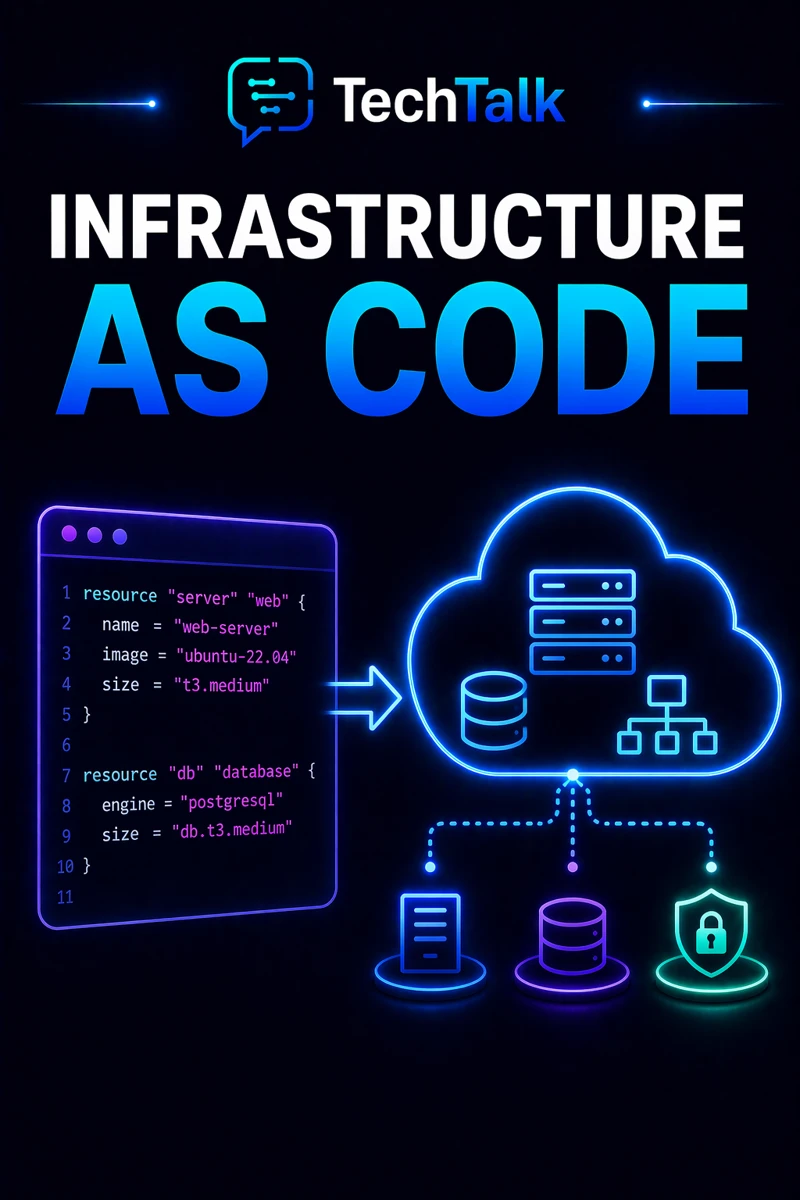
Infrastructure as Code (IaC) is the practice of managing infrastructure using code instead of manual processes.
Instead of:
- manually configuring servers
- manually deploying environments
IaC allows you to:
- define infrastructure in code
- automate deployment
- standardize configurations
If you need foundational context, start with what cloud infrastructure is.
Manual infrastructure management does not scale — IaC solves this problem.
Why Infrastructure as Code Matters
Modern cloud environments are:
- complex
- dynamic
- constantly changing
Without IaC:
- configurations vary
- errors increase
- deployments are slow
IaC enables:
- consistency
- speed
- scalability
This builds on concepts in cloud infrastructure automation.
What a Real IaC Scenario Looks Like
A typical scenario:
- infrastructure is defined in code
- environments are deployed automatically
- changes are version-controlled
At that point:
- consistency improves
- deployments are faster
- errors are reduced
These environments require strong cloud infrastructure architecture.
Infrastructure defined in code is easier to manage, replicate, and scale.
The Core Benefits of Infrastructure as Code
IaC provides several advantages.
Consistency (Standardized Environments)
All environments are identical.
This eliminates:
- configuration drift
- inconsistent setups
Speed (Faster Deployment)
Infrastructure can be deployed quickly.
This reduces:
- setup time
- manual effort
Scalability (Easy Expansion)
Systems can scale easily.
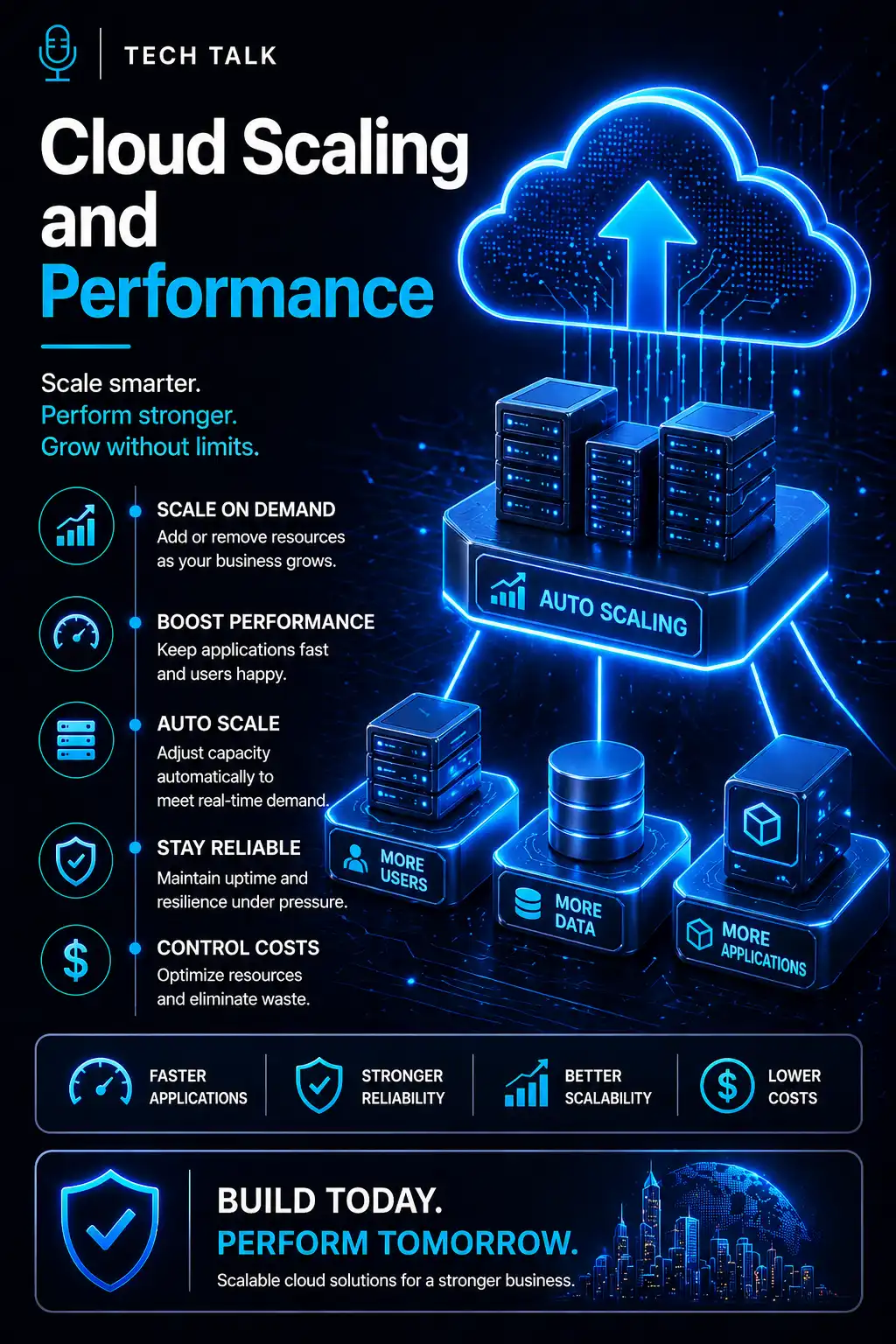
This aligns with scaling cloud infrastructure.
Version Control (Tracking Changes)
Changes are tracked like software.
This allows:
- rollback
- auditing
- collaboration
Infrastructure as Code turns infrastructure into a repeatable, scalable process.
The Hidden Risk: Manual Configuration
Many businesses still:
- configure systems manually
- rely on individual knowledge
- lack documentation
This leads to:
- errors
- inconsistency
- inefficiency
This is common in environments lacking cloud infrastructure planning.
Manual configuration creates inconsistency and increases risk.
What Breaks Infrastructure as Code
IaC fails when:
- code is not maintained
- processes are not defined
- monitoring is insufficient
- governance is lacking
These issues are often tied to cloud misconfigurations and risk.
The Role of Automation in IaC
IaC relies on automation.
This includes:
- automated deployments
- automated updates
- automated scaling
This aligns with cloud infrastructure automation.
IaC and automation work together to create scalable infrastructure.
The Role of Monitoring in IaC
IaC environments still require visibility.
This includes:
- performance monitoring
- usage tracking
- alerting
This aligns with cloud infrastructure monitoring.
The Role of Governance in IaC
IaC must follow policies.
This includes:
- access control
- compliance
- change management
This aligns with cloud cost management strategies.
The Complexity of IaC
IaC environments are:
- powerful
- scalable
- efficient
But they require:
- proper design
- ongoing maintenance
- consistent management
These challenges are explained in cloud infrastructure explained.
What a Strong IaC Environment Looks Like
A strong system includes:
- fully defined infrastructure code
- automated deployment pipelines
- consistent configuration
- continuous monitoring
It must also align with designing cloud infrastructure.
IaC should be version-controlled, tested, and continuously updated.
How IaC Impacts Business Operations
IaC enables:
- faster deployments
- reduced errors
- improved scalability
Without IaC:
- operations slow down
- errors increase
- growth becomes difficult
IaC is essential for scaling cloud operations efficiently.
How to Know If You Need IaC
You may have a gap if:
- infrastructure is manually configured
- deployments are inconsistent
- changes are difficult to track
- environments vary
If your infrastructure is not defined in code, it is harder to manage and scale.
How to Implement Infrastructure as Code
Start with:
- defining infrastructure in code
- implementing automation tools
- version-controlling configurations
- monitoring deployments
These steps align with broader cloud infrastructure strategy.
How This Connects to Other Cloud Topics
IaC is part of a complete infrastructure system.
It connects to:
- what is cloud infrastructure
- cloud infrastructure automation
- cloud infrastructure monitoring
- cloud performance optimization
- cloud infrastructure strategy
What This Means for Your Business
Your infrastructure approach determines:
- how scalable your systems are
- how efficient your operations are
- how consistent your environments remain
It is not optional.
It is essential.
Infrastructure as Code enables scalable, consistent, and efficient cloud environments.
Final Thoughts
Infrastructure as Code is a fundamental shift in how infrastructure is managed.
When implemented correctly:
- systems are consistent
- deployments are fast
- operations scale efficiently
Need help with this topic?
Make sure your backups actually work when it matters.
Most businesses discover backup failures during an outage. We help you validate recovery, reduce downtime risk, and build a system that works under pressure.
- Backup validation and testing
- Recovery time optimization
- Clear recovery documentation