What Lift and Shift vs Modernization Really Means
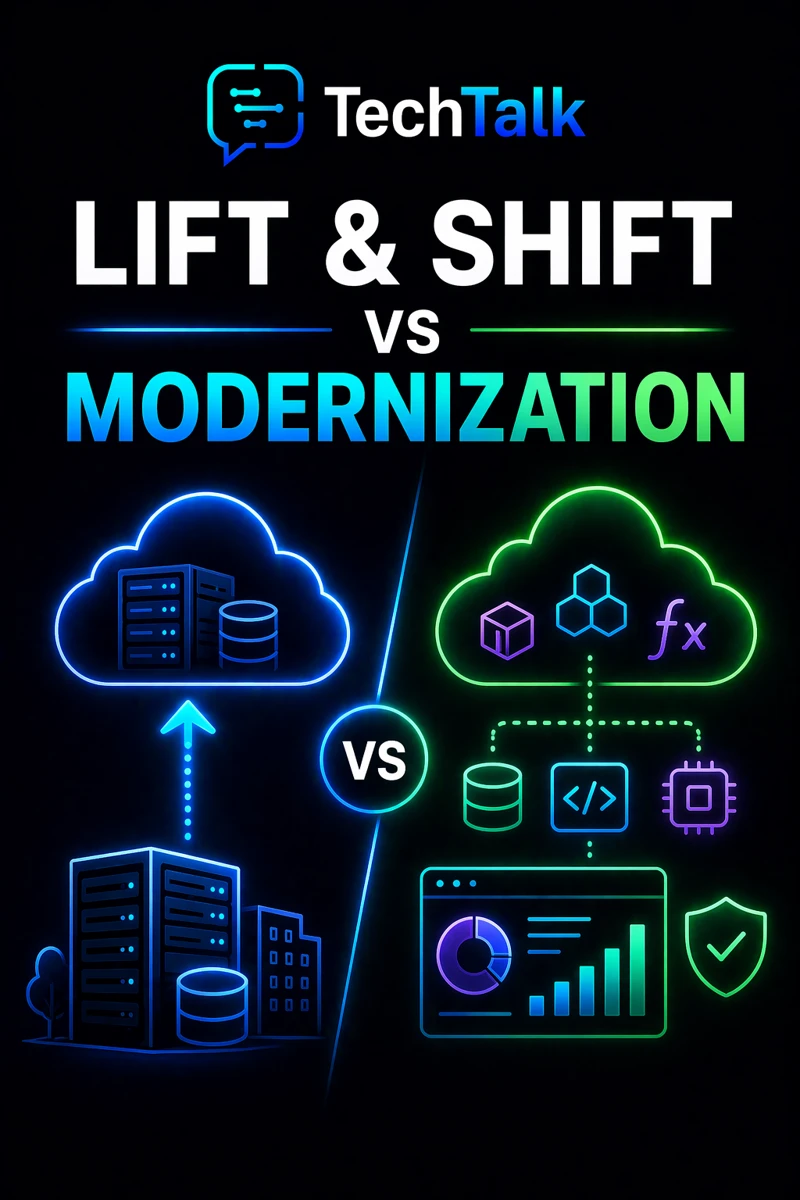
When moving to the cloud, you have two primary approaches:
- lift and shift (rehosting)
- modernization (refactoring or re-architecting)
Each approach determines:
- how systems are migrated
- how they perform in the cloud
- how efficient they become
If you need foundational context, start with what cloud infrastructure is.
Your migration approach determines whether your cloud environment is efficient or just relocated.
Why This Decision Matters
Choosing the wrong approach leads to:
- poor performance
- higher costs
- limited scalability
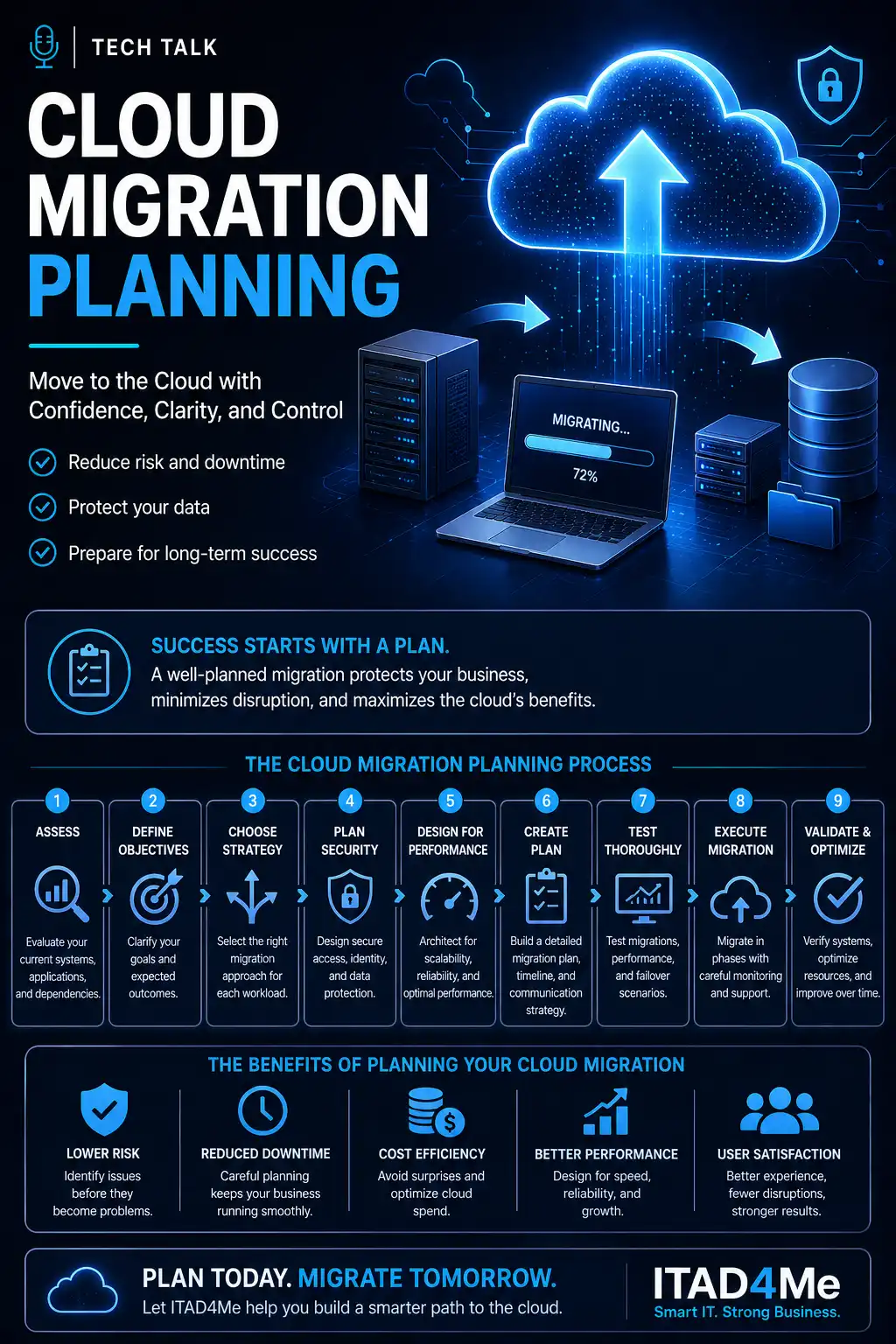
This decision is a key part of cloud migration strategy.
What Is Lift and Shift (Rehosting)?
Lift and shift moves systems to the cloud without significant changes.
How It Works
- applications are moved as-is
- minimal modification is made
- deployment is fast
Benefits of Lift and Shift
- quick migration
- lower initial effort
- minimal disruption
Risks of Lift and Shift
- inefficient resource usage
- higher long-term cost
- limited optimization
These issues often lead to challenges discussed in cloud adoption challenges.
Lift and shift is fast, but it does not take full advantage of cloud capabilities.
What Is Modernization (Refactoring)?
Modernization redesigns systems to fully leverage cloud capabilities.
How It Works
- applications are re-architected
- systems are optimized for cloud
Benefits of Modernization
- improved performance
- better scalability
- optimized cost
This aligns with designing cloud infrastructure.
Risks of Modernization
- higher complexity
- longer timelines
- increased upfront cost
Modernization maximizes cloud benefits but requires more time and effort.
The Hidden Risk: Choosing Based on Speed Alone
Many businesses:
- choose lift and shift for speed
- ignore long-term impact
This leads to:
- inefficient systems
- higher operational cost
- performance limitations
This is common in environments lacking cloud infrastructure strategy.
Fast migrations can create long-term inefficiencies.
What Breaks Migration Approaches
Both approaches fail when:
- planning is incomplete
- architecture is weak
- monitoring is missing
- optimization is ignored
These issues are often tied to cloud migration risks.
The Role of Performance in Decision-Making
Lift and shift:
- maintains existing performance limitations
Modernization:
- improves performance significantly
This aligns with cloud performance optimization.
The Role of Cost in Decision-Making
Lift and shift:
- lower upfront cost
- higher long-term cost
Modernization:
- higher upfront cost
- lower long-term cost
This ties into cloud infrastructure cost optimization.
Short-term savings can lead to long-term inefficiencies.
The Role of Scalability in Decision-Making
Lift and shift:
- limited scalability improvements
Modernization:
- designed for scalability
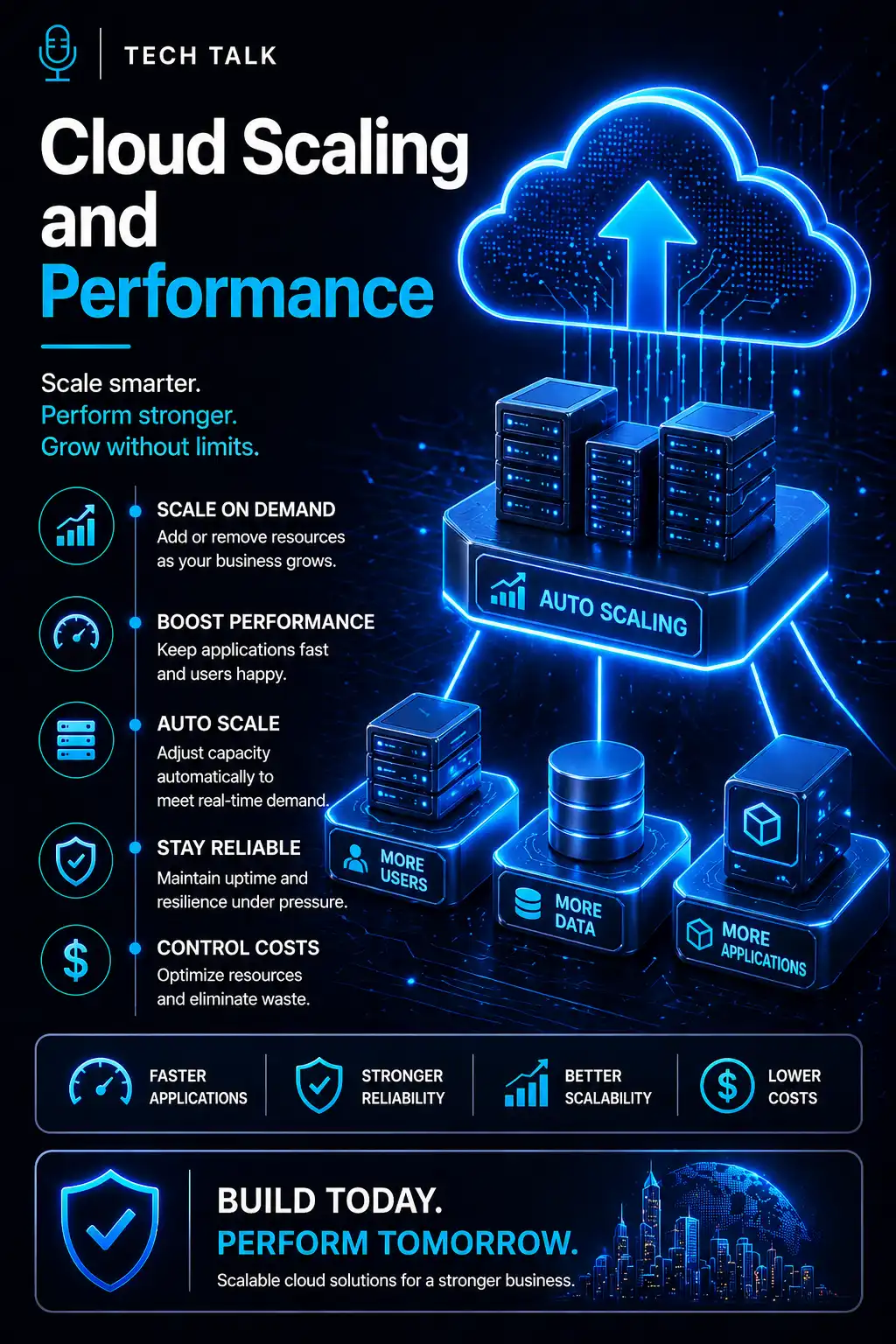
This aligns with scaling cloud infrastructure.
The Role of Architecture in Migration
Modernization relies heavily on architecture.
This includes:
- cloud-native design
- optimized workloads
This aligns with cloud infrastructure architecture.
The Complexity Factor
Lift and shift:
- simpler
- faster
Modernization:
- more complex
- more resource-intensive
These differences are explained in cloud infrastructure explained.
What a Strong Migration Decision Looks Like
A strong decision includes:
- understanding business goals
- evaluating performance needs
- balancing cost and complexity
It must also align with cloud infrastructure strategy.
The right approach depends on long-term goals, not just short-term convenience.
How This Decision Impacts Business Operations
Your migration approach determines:
- system efficiency
- operational cost
- scalability
Poor decisions lead to:
- inefficiency
- increased cost
- limited growth
Your migration approach affects long-term success in the cloud.
How to Choose Between Lift and Shift and Modernization
Choose lift and shift if:
- speed is critical
- resources are limited
- systems are stable
Choose modernization if:
- performance is a priority
- scalability is required
- long-term optimization matters
If long-term efficiency matters, modernization is often the better choice.
How This Connects to Other Cloud Topics
This decision connects to:
- what is cloud infrastructure
- cloud migration strategy
- cloud migration risks
- cloud infrastructure architecture
- cloud infrastructure strategy
What This Means for Your Business
Your migration approach determines:
- how efficient your systems are
- how scalable your infrastructure becomes
- how much you spend over time
It is not optional.
It is strategic.
The right migration approach balances speed, cost, and long-term performance.
Final Thoughts
Lift and shift and modernization both have a place.
But they serve different goals.
When chosen correctly:
- systems perform well
- costs are controlled
- operations scale efficiently
Need help with this topic?
Make sure your backups actually work when it matters.
Most businesses discover backup failures during an outage. We help you validate recovery, reduce downtime risk, and build a system that works under pressure.
- Backup validation and testing
- Recovery time optimization
- Clear recovery documentation