What Cloud Adoption Challenges Really Mean
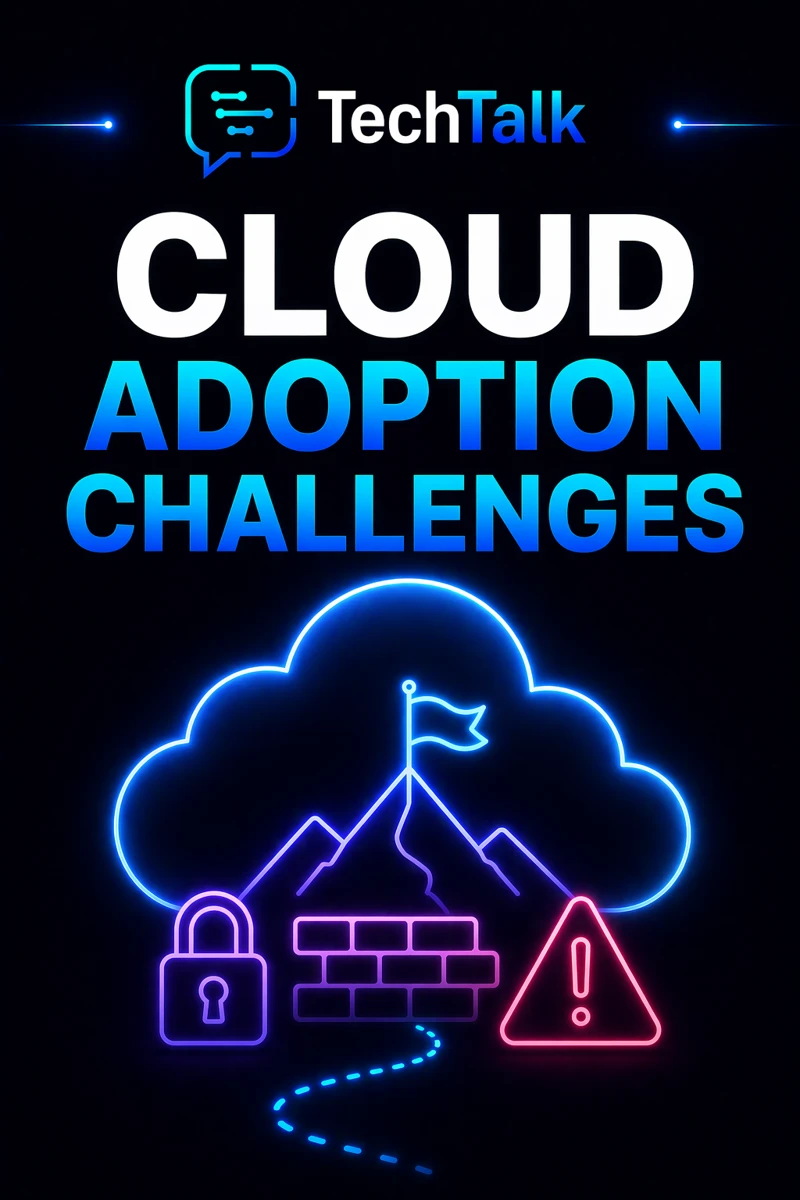
Cloud adoption challenges are the obstacles businesses face when transitioning to cloud infrastructure.
These challenges affect:
- performance
- cost
- security
- operations
Cloud adoption is not just a technical change.
It is an organizational shift.
If you need foundational context, start with what cloud infrastructure is.
Cloud adoption introduces complexity — whether you plan for it or not.
Why Cloud Adoption Is Challenging
Cloud environments are:
- dynamic
- distributed
- constantly evolving
Without preparation:
- systems become inefficient
- costs increase
- risks grow
This makes adoption a key part of moving to cloud infrastructure.
The Most Common Cloud Adoption Challenges
Businesses typically face several core challenges.
Complexity (Managing Distributed Systems)
Cloud systems are more complex than traditional infrastructure.
This includes:
- multiple services
- interconnected systems
This complexity is explained in cloud infrastructure explained.
Cost Management (Controlling Spending)
Cloud costs can grow quickly.
This includes:
- unpredictable usage
- inefficient resource allocation
This aligns with cloud cost management strategies.
Security Concerns (Protecting Data)
Cloud introduces new security considerations.
This includes:
- access control
- data protection
This aligns with cloud infrastructure security.
Performance Issues (Ensuring Efficiency)
Systems may not perform as expected.
This includes:
- latency
- resource inefficiencies
This aligns with cloud performance optimization.
Migration Difficulty (Moving Systems)
Moving systems is complex.
This includes:
- dependencies
- data transfer
This aligns with cloud migration strategy.
Most cloud adoption challenges are operational and strategic — not technical.
The Hidden Challenge: Lack of Strategy
Many businesses:
- adopt cloud without a plan
- focus only on short-term goals
This leads to:
- inefficiencies
- increased costs
- performance issues
This is common in environments lacking cloud infrastructure strategy.
Without strategy, cloud adoption creates more problems than it solves.
What Causes Cloud Adoption Problems
Adoption challenges occur when:
- planning is incomplete
- systems are not optimized
- monitoring is insufficient
- governance is weak
These issues are often tied to cloud misconfigurations and risk.
The Role of Architecture in Overcoming Challenges
Good architecture reduces complexity.
This includes:
- scalable design
- optimized workloads
This aligns with cloud infrastructure architecture.
Architecture determines how manageable your cloud environment is.
The Role of Operations in Cloud Adoption
Cloud requires active management.
This includes:
- monitoring
- automation
- optimization
This aligns with cloud operations best practices.
The Role of Cost Control in Cloud Adoption
Costs must be managed.
This includes:
- tracking usage
- optimizing resources
This aligns with cloud infrastructure cost optimization.
The Role of Automation in Reducing Complexity
Automation simplifies operations.
This includes:
- reducing manual tasks
- improving consistency
This aligns with cloud infrastructure automation.
The Complexity of Cloud Adoption
Cloud adoption involves:
- multiple systems
- dependencies
- workflows
This creates:
- complexity
- potential inefficiencies
- management challenges
These challenges are explained in cloud infrastructure explained.
What a Successful Cloud Adoption Looks Like
A strong adoption includes:
- clear strategy
- detailed planning
- optimized architecture
- continuous management
It must also align with cloud infrastructure strategy.
Cloud adoption should be strategic, phased, and continuously optimized.
How Cloud Adoption Challenges Impact Business Operations
Challenges directly affect:
- efficiency
- performance
- cost
Poor adoption leads to:
- inefficiency
- increased risk
- operational issues
Cloud adoption challenges can reduce the value of your infrastructure investment.
How to Know If You Are Facing Cloud Adoption Challenges
You may have a gap if:
- costs are higher than expected
- systems are difficult to manage
- performance is inconsistent
- security concerns exist
If your cloud environment feels complex or inefficient, challenges are likely present.
How to Overcome Cloud Adoption Challenges
Start with:
- building a clear strategy
- optimizing architecture
- implementing monitoring
- automating processes
These steps align with broader cloud infrastructure strategy.
How This Connects to Other Cloud Topics
Cloud adoption challenges are part of a complete infrastructure system.
They connect to:
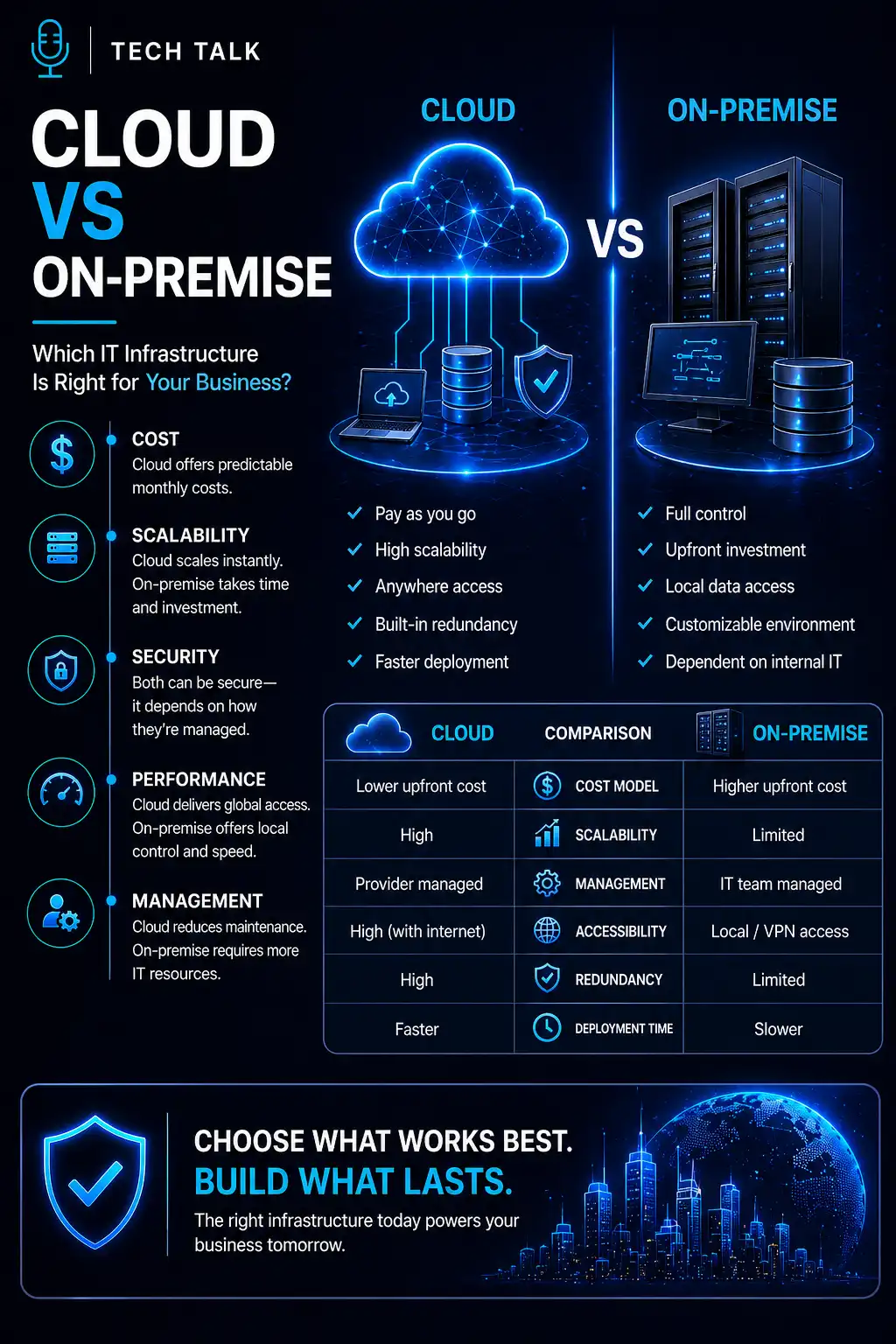
- what is cloud infrastructure
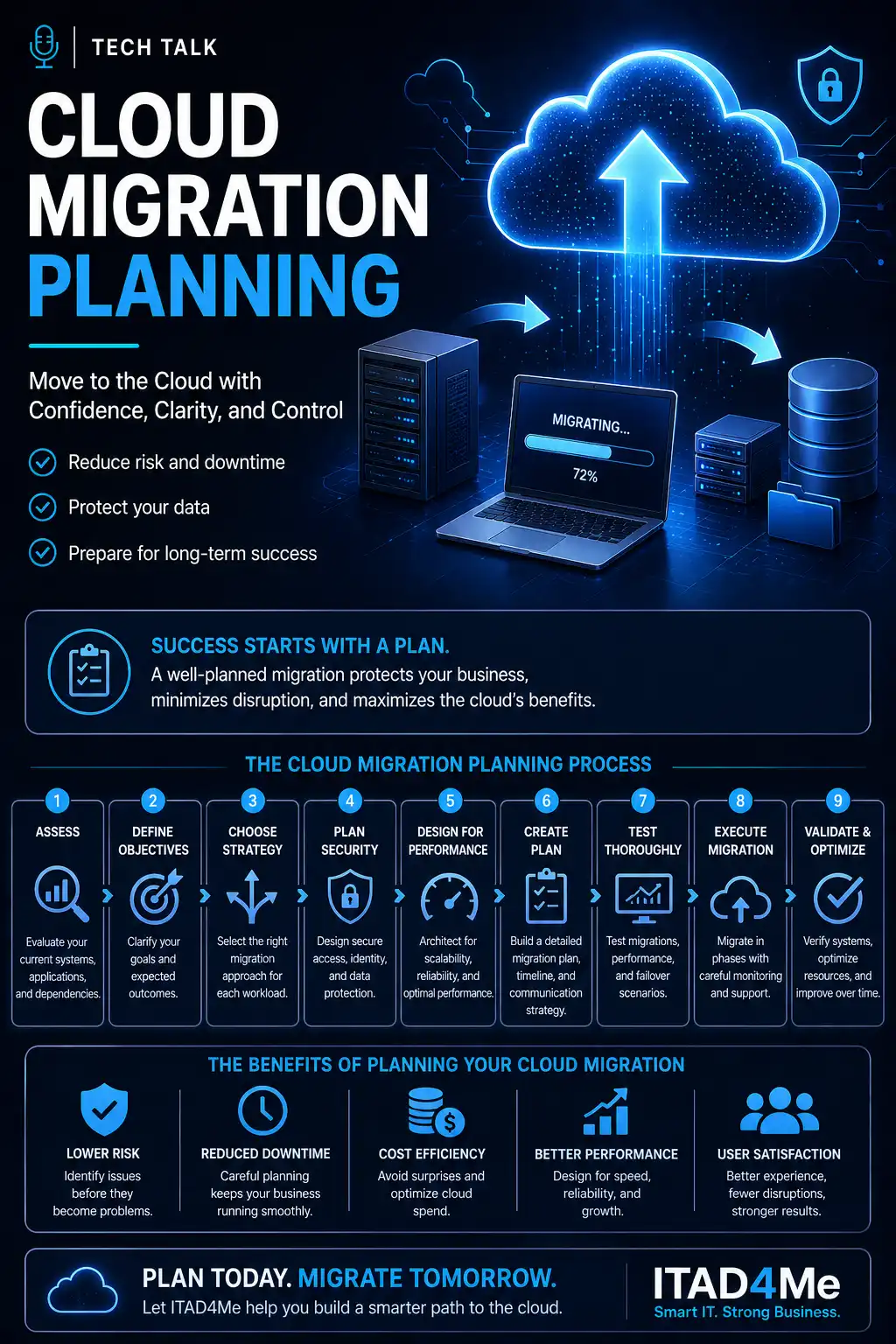
- moving to cloud infrastructure
- cloud migration strategy
- cloud infrastructure architecture
- cloud infrastructure strategy
What This Means for Your Business
Your ability to manage challenges determines:
- how efficient your systems are
- how scalable your infrastructure is
- how successful your cloud adoption becomes
It is not optional.
It is critical.
Understanding challenges is the first step to overcoming them.
Final Thoughts
Cloud adoption is not easy.
But it is manageable.
When challenges are addressed properly:
- systems perform well
- costs are controlled
- operations are efficient
Need help with this topic?
Make sure your backups actually work when it matters.
Most businesses discover backup failures during an outage. We help you validate recovery, reduce downtime risk, and build a system that works under pressure.
- Backup validation and testing
- Recovery time optimization
- Clear recovery documentation