What “When to Move to the Cloud” Really Means
Deciding when to move to cloud infrastructure is about timing.
It involves understanding:
- current system limitations
- business growth needs
- operational challenges
Moving too early or too late can both create problems.
If you need foundational context, start with what cloud infrastructure is.
Cloud migration timing is a strategic decision — not just a technical one.
Why Timing Matters
The timing of cloud adoption affects:
- cost
- performance
- operational efficiency
Poor timing leads to:
- wasted investment
- unnecessary complexity
- missed opportunities
This makes timing a key part of cloud infrastructure strategy.
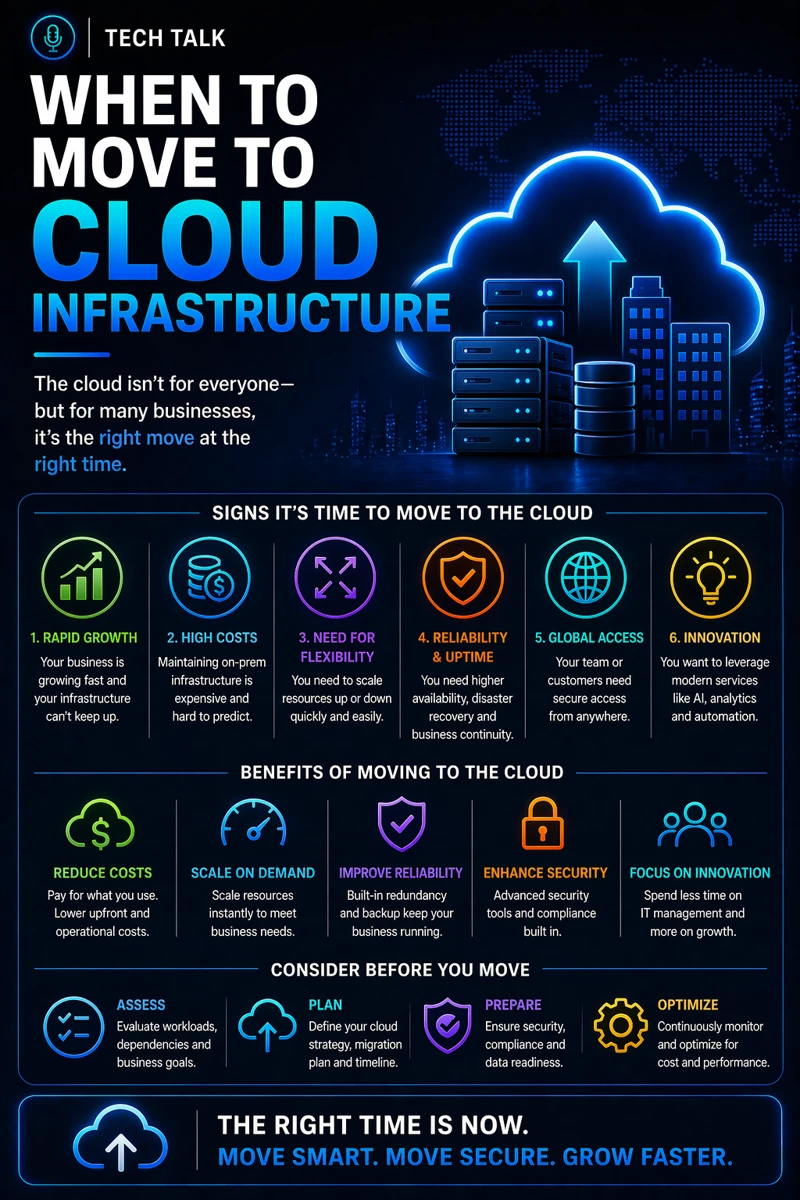
Key Signs It’s Time to Move to the Cloud
Businesses typically see clear signals when cloud migration is needed.
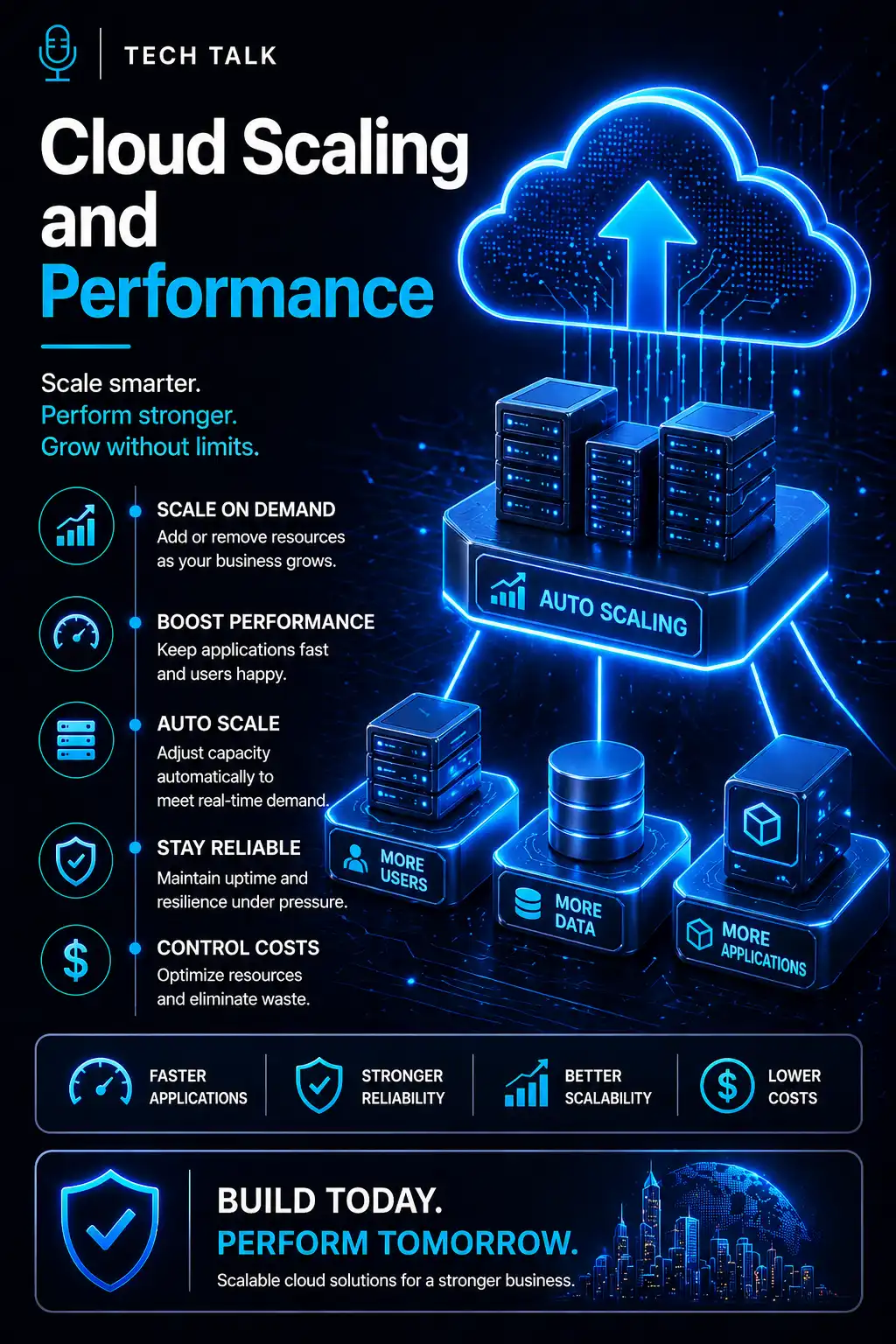
Your Systems Cannot Scale
If your infrastructure cannot handle growth:
- performance suffers
- users are impacted
This aligns with scaling cloud infrastructure.
Maintenance Is Becoming Too Complex
If managing systems takes too much time:
- efficiency decreases
- costs increase
This aligns with managing cloud infrastructure.
Costs Are Increasing
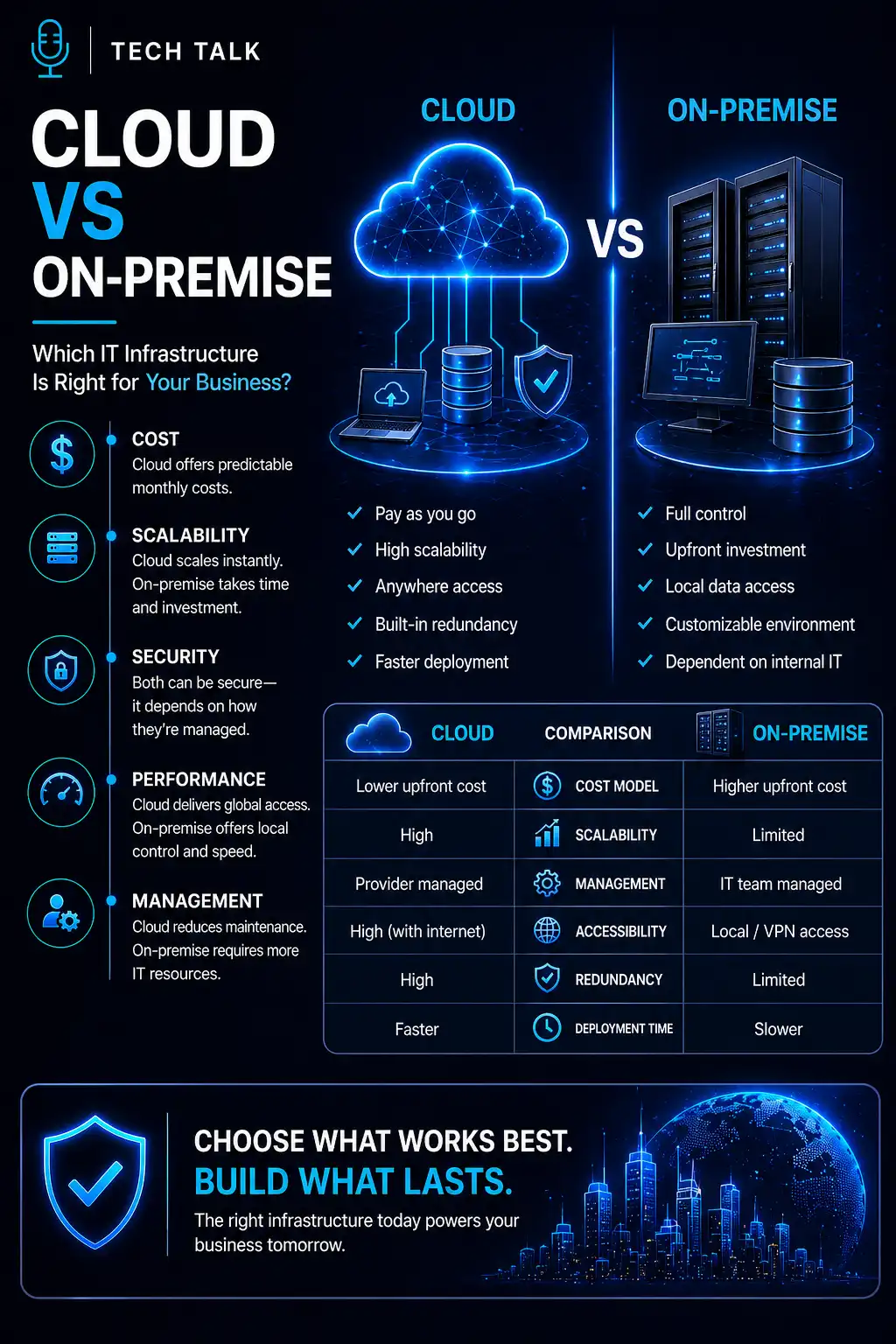
If on-prem or legacy systems are expensive:
- cloud may provide better cost control
This aligns with cloud cost management strategies.
Remote Access Is Limited
If employees struggle to access systems remotely:
- cloud improves accessibility
Performance Is Inconsistent
If systems are slow or unreliable:
- cloud can improve performance
This aligns with cloud performance issues.
When infrastructure limits growth, it is time to consider the cloud.
The Hidden Risk: Moving Too Early
Some businesses:
- move to the cloud without clear need
- adopt complex systems prematurely
This leads to:
- unnecessary cost
- increased complexity
This is common in environments lacking simple cloud setup for business.
Moving too early can create complexity without delivering value.
The Hidden Risk: Waiting Too Long
Other businesses:
- delay cloud adoption
- rely on outdated systems
This leads to:
- inefficiency
- limited growth
- increased risk
These challenges are explained in cloud infrastructure for small business.
What Happens If You Move at the Wrong Time
Moving too early:
- increases cost
- adds complexity
Moving too late:
- limits growth
- reduces competitiveness
This is why timing must align with moving to cloud infrastructure.
The Role of Strategy in Timing
A clear strategy determines when to move.
This includes:
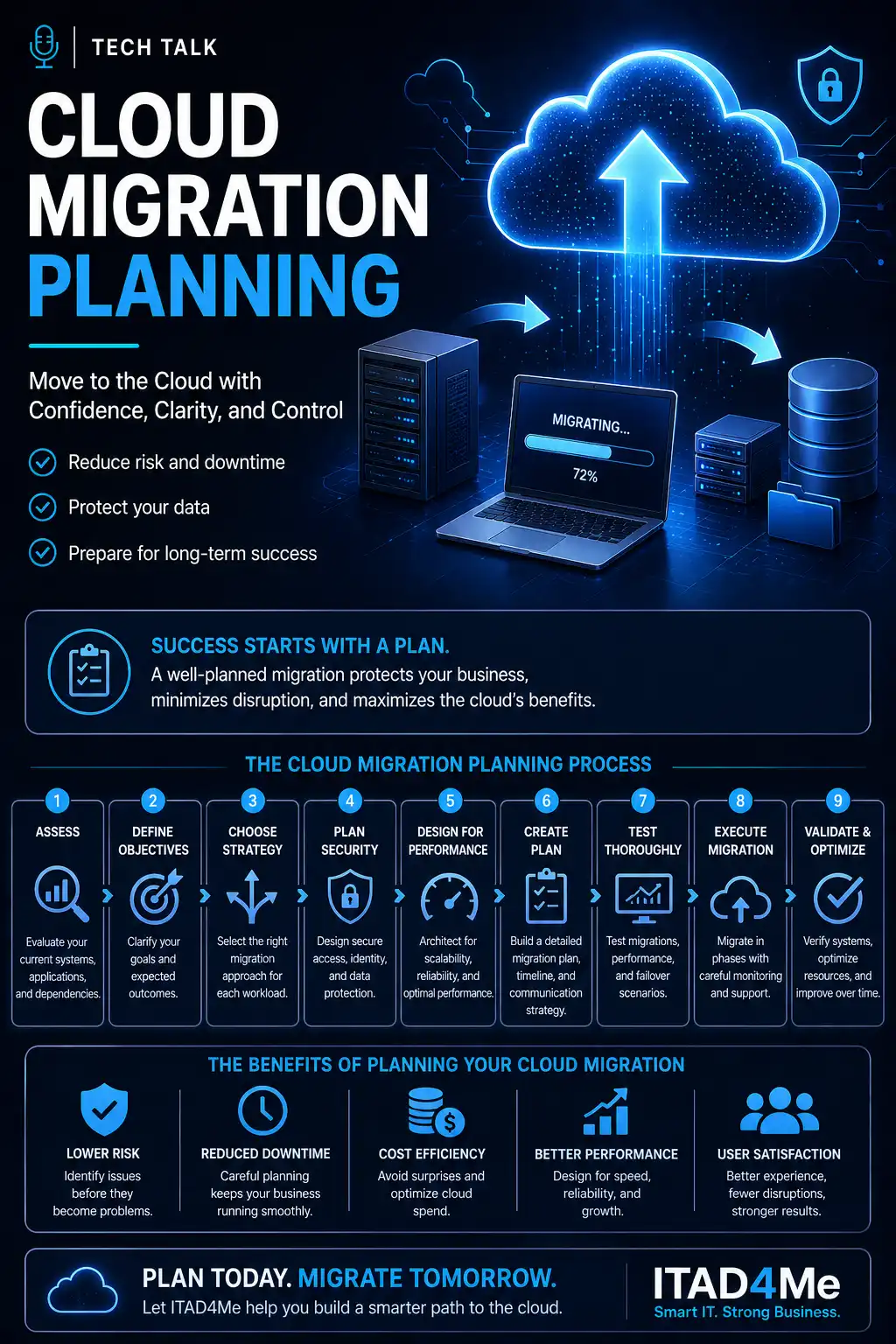
- evaluating current systems
- defining goals
- planning migration
This aligns with cloud migration strategy.
Timing decisions should always be based on business needs and strategy.
The Role of Cost in Timing Decisions
Cost plays a major role.
This includes:
- current infrastructure costs
- projected cloud costs
This aligns with cloud infrastructure cost optimization.
The Role of Performance in Timing
Performance issues signal readiness.
This includes:
- slow systems
- inconsistent performance
This aligns with cloud performance optimization.
The Role of Operations in Timing
Operational challenges indicate need.
This includes:
- management complexity
- resource limitations
This aligns with cloud operations best practices.
The Complexity of Timing Decisions
Timing involves:
- technical factors
- business needs
- financial considerations
This creates:
- complexity
- trade-offs
These challenges are explained in cloud infrastructure explained.
What the Right Time Looks Like
The right time to move includes:
- clear business need
- defined strategy
- readiness for change
It must also align with cloud infrastructure strategy.
Move to the cloud when it solves real problems — not because it is a trend.
How Timing Impacts Business Operations
Timing determines:
- how smoothly you transition
- how efficiently systems operate
- how well you scale
Poor timing leads to:
- inefficiency
- increased cost
- operational challenges
Timing decisions directly impact infrastructure success.
How to Evaluate If Now Is the Right Time
Ask:
- are systems limiting growth?
- are costs increasing?
- is management becoming difficult?
- is performance declining?
If multiple issues exist, it may be time to move to the cloud.
How This Connects to Other Cloud Topics
Timing connects to:
- what is cloud infrastructure
- moving to cloud infrastructure
- cloud migration strategy
- cloud infrastructure strategy
- cloud performance issues
What This Means for Your Business
Your timing determines:
- how efficient your systems are
- how scalable your infrastructure becomes
- how competitive your business remains
It is not optional.
It is strategic.
The right time to move is when your infrastructure becomes a limitation.
Final Thoughts
There is no perfect time.
But there are clear signals.
When the signs are present:
- moving to the cloud becomes necessary
Need help with this topic?
Make sure your backups actually work when it matters.
Most businesses discover backup failures during an outage. We help you validate recovery, reduce downtime risk, and build a system that works under pressure.
- Backup validation and testing
- Recovery time optimization
- Clear recovery documentation