What Moving to Cloud Infrastructure Really Means
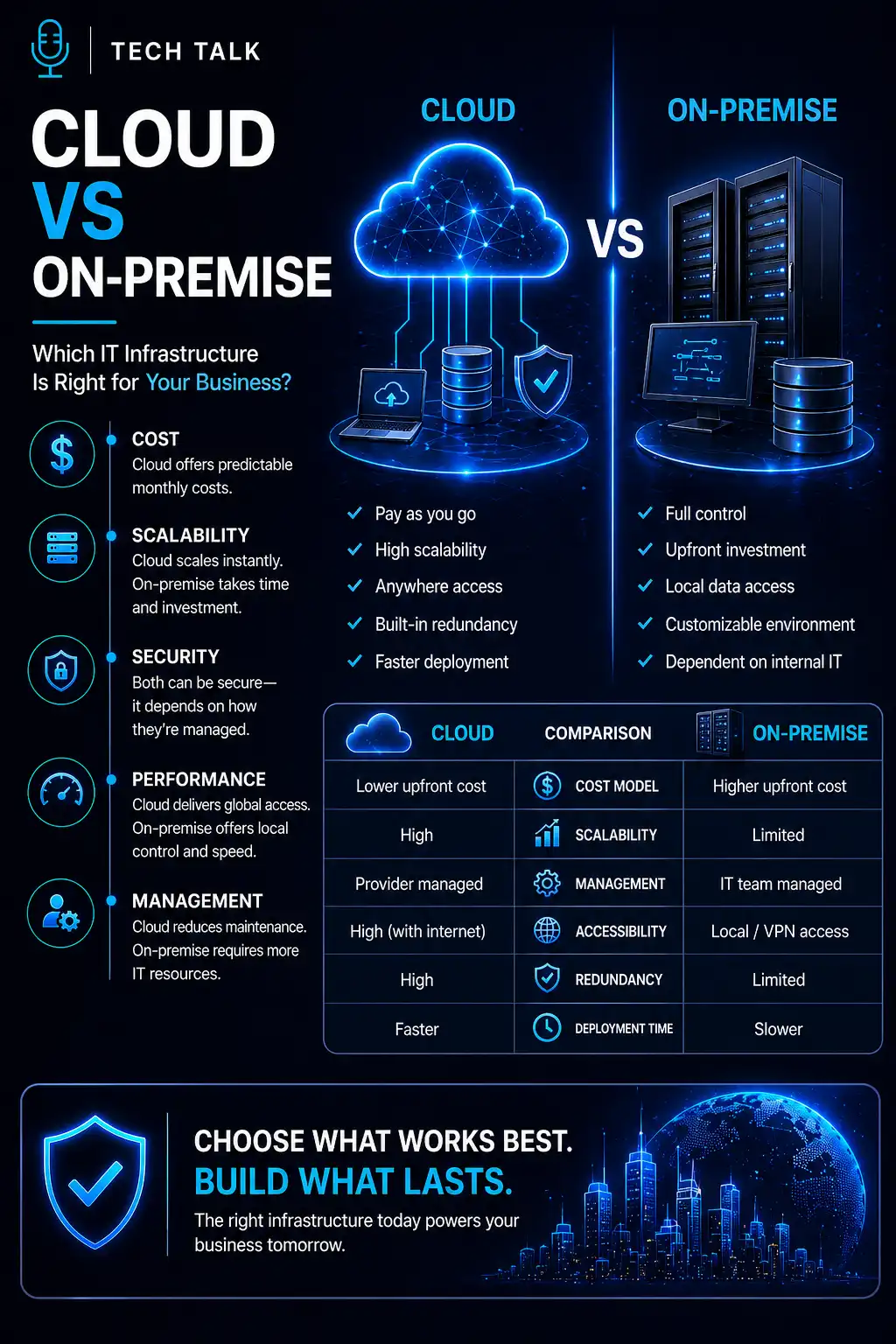
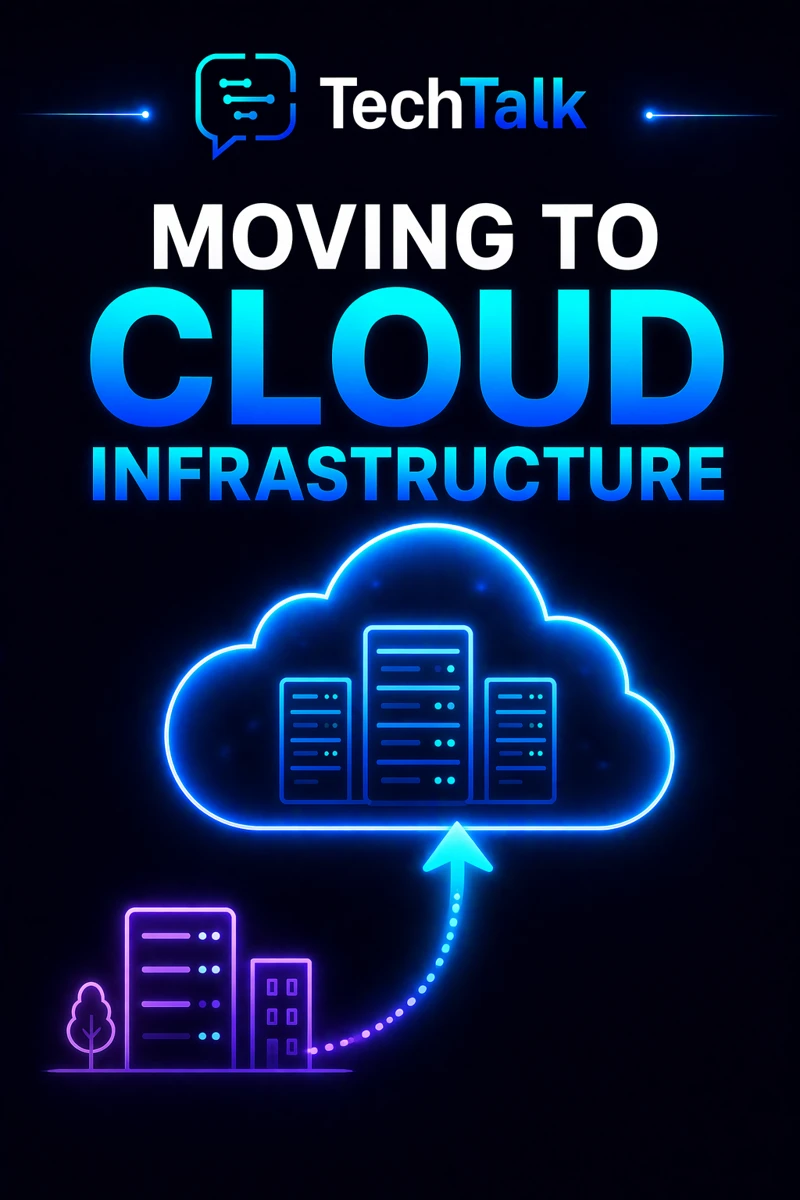
Moving to cloud infrastructure is the process of transitioning systems from traditional environments to cloud-based platforms.
This includes:
- applications
- data
- infrastructure
It is not just a technical change.
It is a transformation in how systems are designed, managed, and scaled.
If you need foundational context, start with what cloud infrastructure is.
Moving to the cloud changes how your entire infrastructure operates.
Why Businesses Move to the Cloud
Businesses move to cloud infrastructure to:
- improve scalability
- increase flexibility
- optimize costs
Cloud enables:
- on-demand resources
- global accessibility
- faster deployment
These benefits are explained in cloud infrastructure explained.
What a Real Transition Looks Like
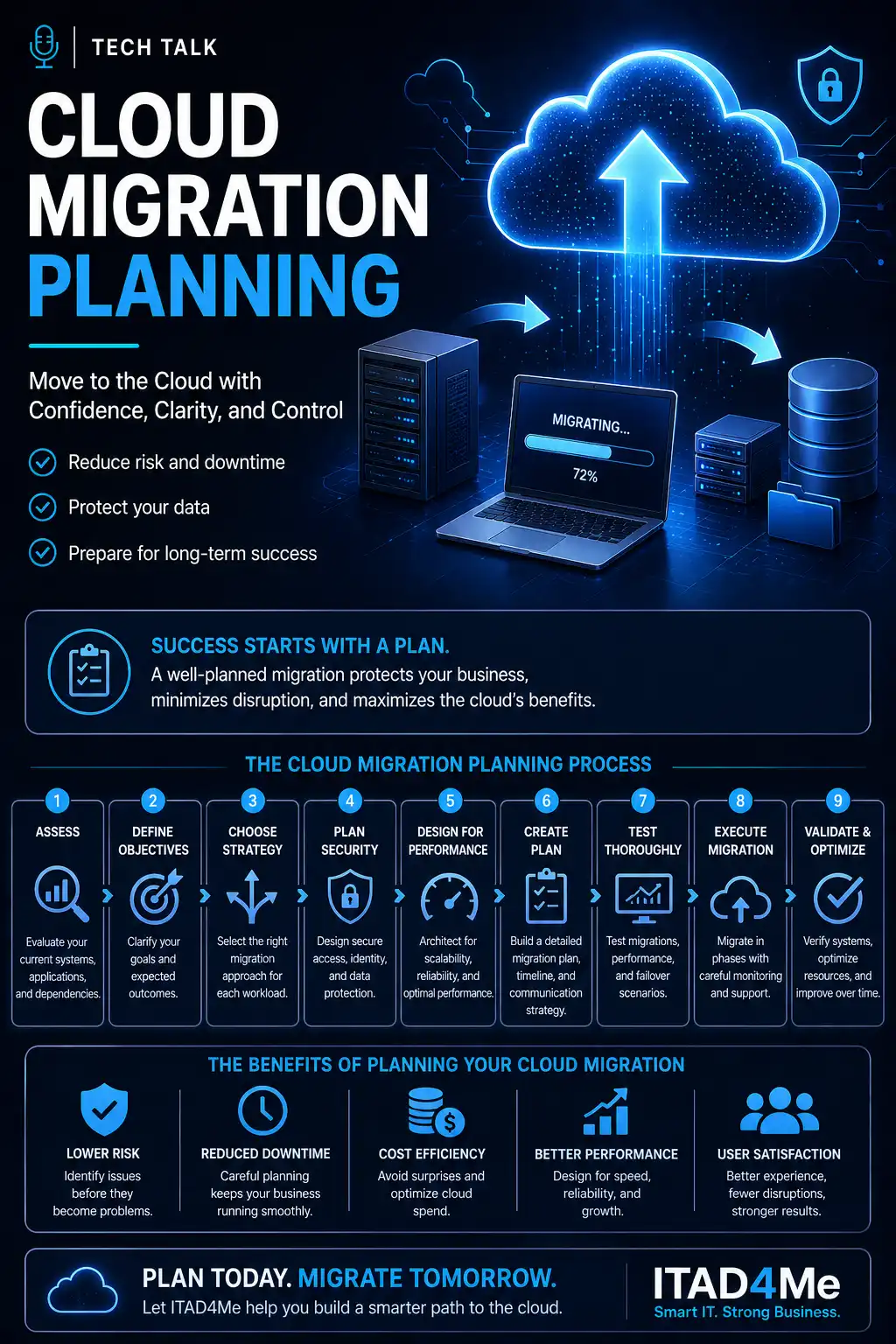
A typical transition includes:
- assessing current systems
- planning migration
- moving workloads
- optimizing performance
At that point:
- infrastructure becomes more flexible
- systems scale more easily
- management changes
These transitions require strong cloud migration strategy.
Moving to the cloud is a process — not a one-time event.
The Core Benefits of Moving to Cloud Infrastructure
Cloud adoption provides several advantages.
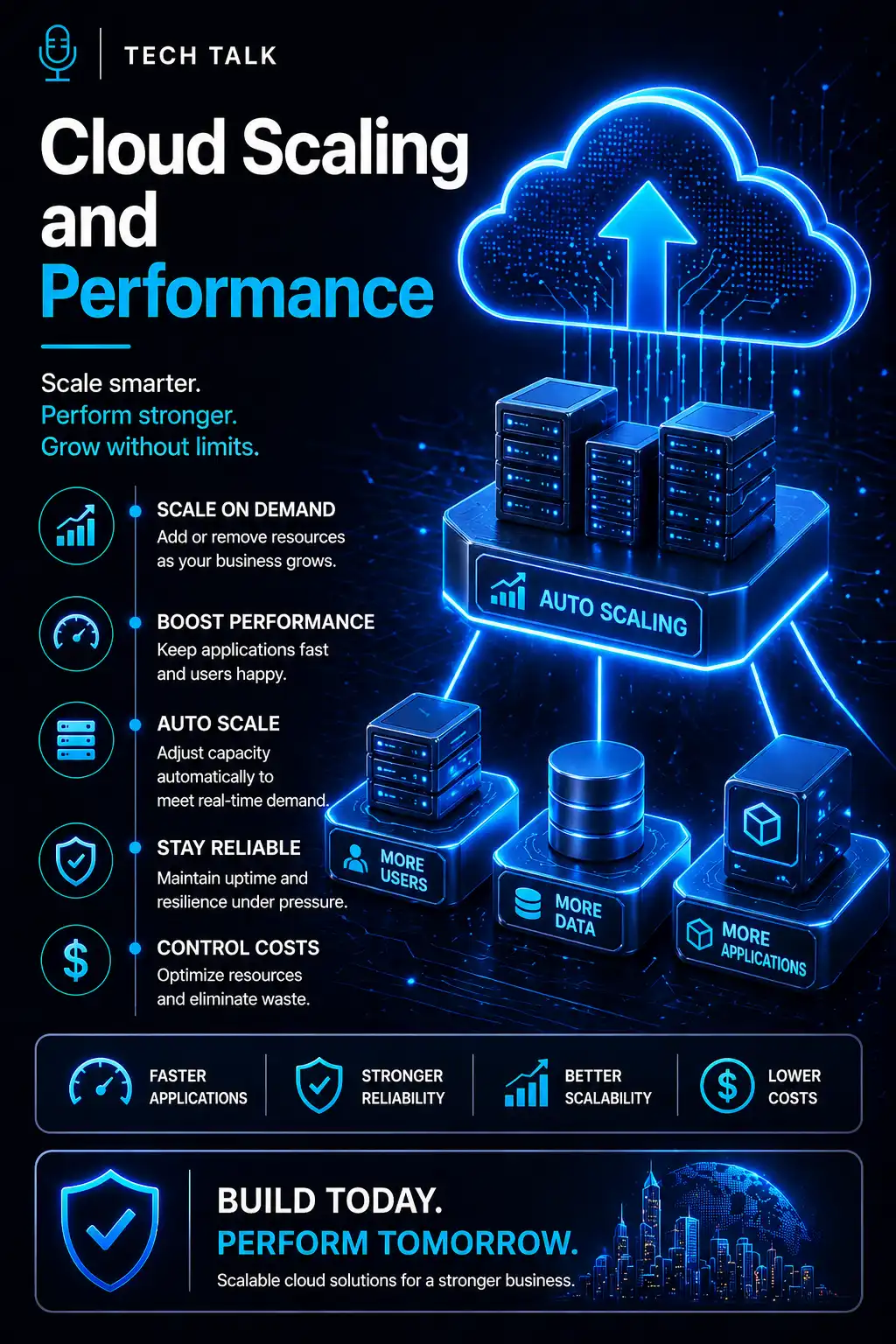
Scalability (Growing with Demand)
Cloud systems scale easily.
This aligns with scaling cloud infrastructure.
Flexibility (Adapting to Change)
Cloud allows rapid adjustments.
This includes:
- adding resources
- modifying systems
Cost Efficiency (Optimizing Spending)
Cloud can reduce costs when managed properly.
This aligns with cloud cost management strategies.
Performance (Improved System Efficiency)
Cloud enables optimized performance.
This aligns with cloud performance optimization.
Cloud infrastructure enables flexibility, scalability, and efficiency.
The Hidden Risk: Moving Without Strategy
Many businesses:
- move to the cloud quickly
- skip planning
This leads to:
- inefficiencies
- higher costs
- performance issues
This is common in environments lacking cloud infrastructure planning.
Moving without a strategy creates long-term problems.
What Challenges Arise During Cloud Adoption
Common challenges include:
- migration complexity
- system dependencies
- performance issues
- cost management
These issues are often tied to cloud migration risks.
The Role of Architecture in Cloud Adoption
Cloud adoption must align with architecture.
This includes:
- designing scalable systems
- optimizing workloads
This aligns with cloud infrastructure architecture.
Cloud adoption without proper architecture leads to inefficiency.
The Role of Operations in Cloud Environments
Cloud requires ongoing management.
This includes:
- monitoring
- automation
- optimization
This aligns with cloud operations best practices.
The Role of Security in Cloud Adoption
Security must be maintained.
This includes:
- protecting data
- enforcing policies
This aligns with cloud infrastructure security.
The Role of Cost Management in Cloud Adoption
Costs must be controlled.
This includes:
- monitoring usage
- optimizing resources
This aligns with cloud infrastructure cost optimization.
The Complexity of Moving to the Cloud
Cloud adoption involves:
- multiple systems
- dependencies
- workflows
This creates:
- complexity
- risk
- potential disruption
These challenges are explained in cloud infrastructure explained.
What a Successful Cloud Transition Looks Like
A strong transition includes:
- clear strategy
- detailed planning
- phased migration
- continuous optimization
It must also align with cloud infrastructure strategy.
Cloud adoption should be planned, phased, and continuously optimized.
How Cloud Adoption Impacts Business Operations
Cloud adoption directly affects:
- system performance
- operational efficiency
- business agility
Poor adoption leads to:
- inefficiency
- increased cost
- operational challenges
Cloud adoption success determines how efficiently your business operates.
How to Know If You Are Ready to Move to the Cloud
You may be ready if:
- systems need scalability
- infrastructure is difficult to manage
- performance needs improvement
If your current infrastructure limits growth, cloud adoption may be necessary.
How to Start Moving to Cloud Infrastructure
Start with:
- assessing current systems
- defining goals
- building a migration strategy
- planning execution
These steps align with broader cloud infrastructure strategy.
How This Connects to Other Cloud Topics
Cloud adoption is part of a complete infrastructure system.
It connects to:
- what is cloud infrastructure
- cloud migration strategy
- cloud migration risks
- cloud infrastructure architecture
- cloud infrastructure strategy
What This Means for Your Business
Your approach to cloud adoption determines:
- how smoothly you transition
- how efficiently systems operate
- how scalable your infrastructure becomes
It is not optional.
It is strategic.
Moving to the cloud is a strategic transformation — not just a technical upgrade.
Final Thoughts
Moving to cloud infrastructure is a major step.
When done correctly:
- systems scale easily
- performance improves
- costs are controlled
When done poorly:
- inefficiencies grow
- risks increase
- operations suffer
Need help with this topic?
Make sure your backups actually work when it matters.
Most businesses discover backup failures during an outage. We help you validate recovery, reduce downtime risk, and build a system that works under pressure.
- Backup validation and testing
- Recovery time optimization
- Clear recovery documentation