
What Cloud vs On-Premise Really Means
Businesses typically choose between:
- cloud infrastructure
- on-premise infrastructure
Cloud:
- systems are hosted remotely
- accessed via the internet
On-premise:
- systems are hosted locally
- managed internally
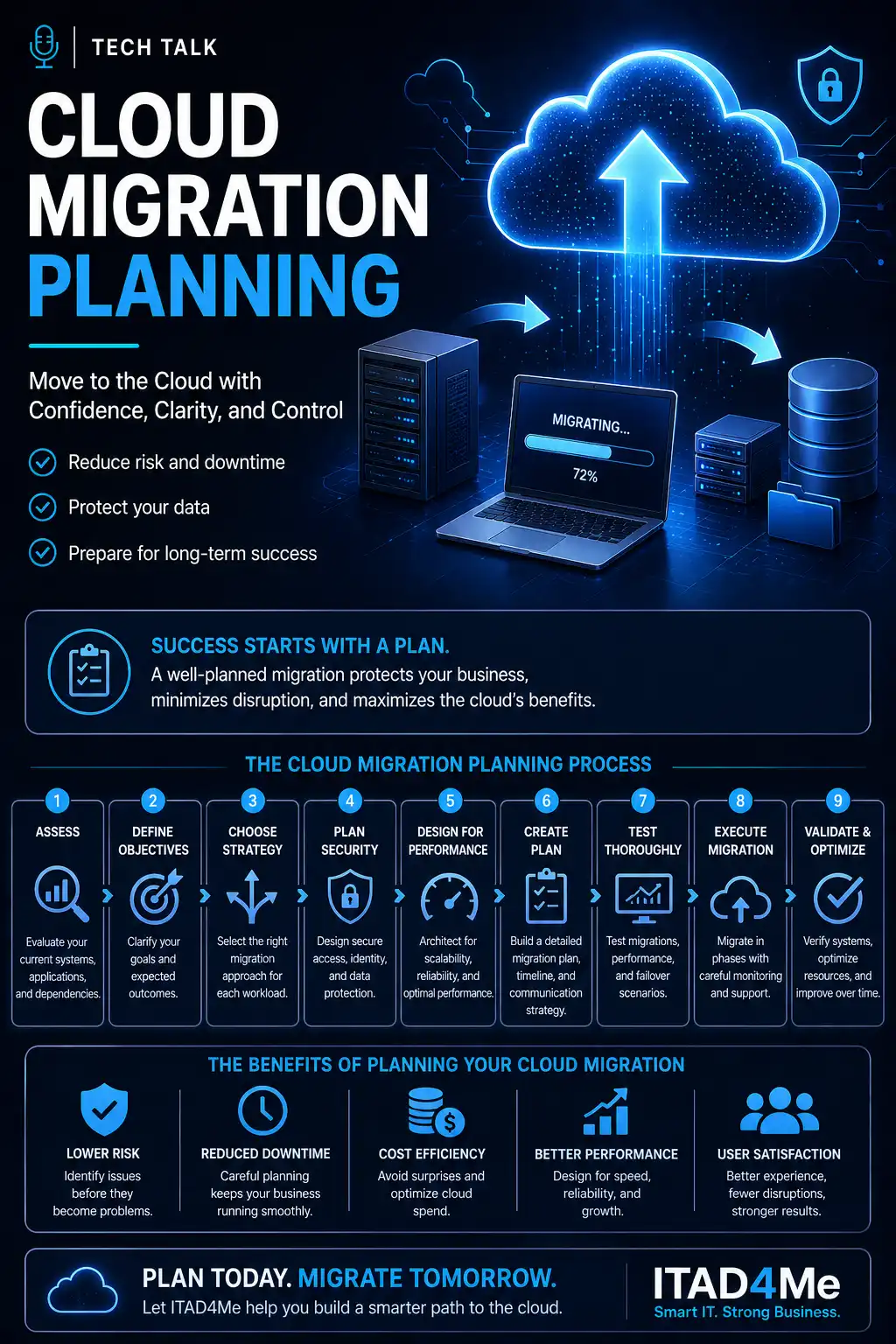
If you need foundational context, start with what cloud infrastructure is.
Your infrastructure model determines how your business operates, scales, and grows.
Why This Decision Matters for SMBs
The choice impacts:
- cost
- scalability
- management
- performance
Choosing the wrong model leads to:
- inefficiency
- increased cost
- operational challenges
This decision is part of cloud infrastructure strategy.
What Cloud Infrastructure Offers
Cloud infrastructure provides:
- on-demand resources
- remote access
- scalability
These benefits are explained in moving to cloud infrastructure.
Advantages of Cloud for SMBs
- lower upfront cost
- easier scalability
- reduced maintenance
This aligns with cloud infrastructure for small business.
Challenges of Cloud
- ongoing costs
- dependency on internet access
- need for management
These challenges are explained in cloud adoption challenges.
Cloud infrastructure offers flexibility and scalability, but requires proper management.
What On-Premise Infrastructure Offers
On-premise infrastructure provides:
- full control over systems
- local data storage
- independence from cloud providers
Advantages of On-Premise
- control over hardware
- predictable costs (after initial investment)
Challenges of On-Premise
- high upfront cost
- limited scalability
- ongoing maintenance
These limitations often lead businesses to consider when to move to cloud infrastructure.
On-premise provides control but requires more resources and management.
The Hidden Risk: Assuming One Is Always Better
Many businesses:
- assume cloud is always better
- or stay on-prem too long
This leads to:
- poor decisions
- inefficiencies
This is why evaluation must align with cloud infrastructure strategy.
There is no one-size-fits-all solution — the right choice depends on your business.
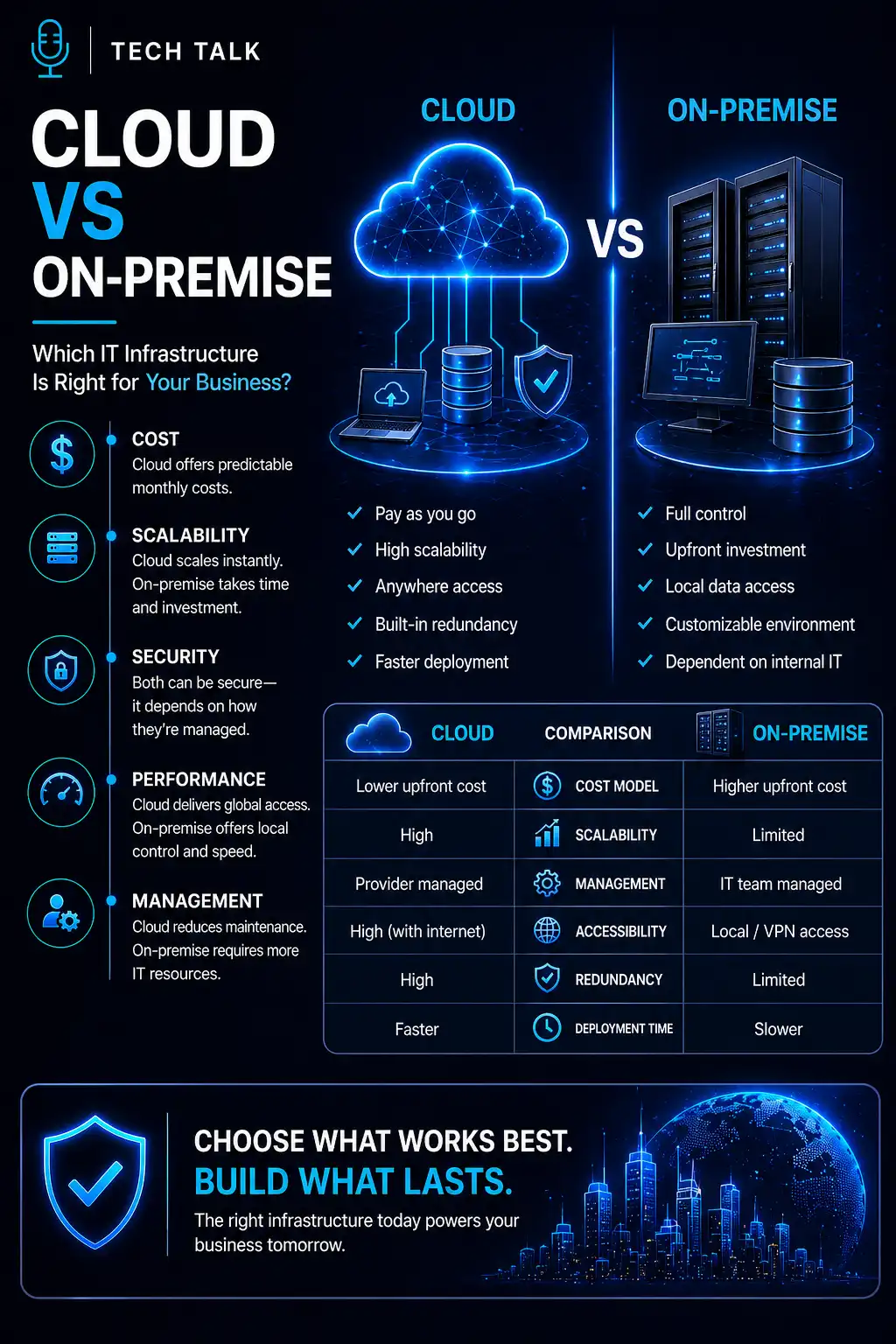
Key Comparison Areas
Cost
Cloud:
- lower upfront cost
- ongoing operational cost
On-premise:
- high upfront cost
- lower ongoing cost (in some cases)
This aligns with cloud infrastructure cost optimization.
Scalability
Cloud:
- highly scalable
- flexible
On-premise:
- limited scalability
- requires hardware upgrades
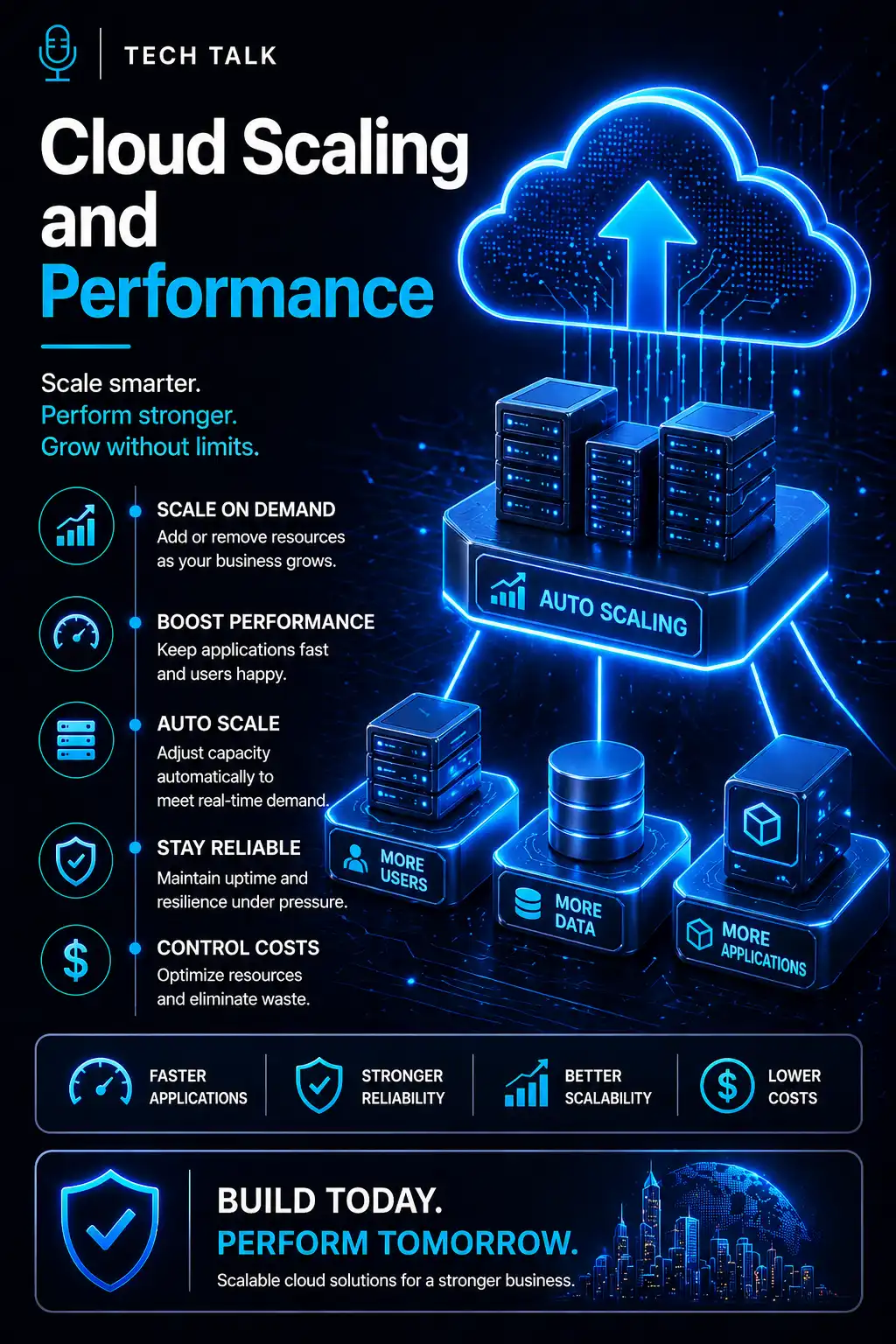
This aligns with scaling cloud infrastructure.
Management
Cloud:
- managed services available
- less hardware management
On-premise:
- requires internal IT resources
This aligns with managing cloud infrastructure.
Performance
Cloud:
- optimized environments
- potential latency
On-premise:
- local performance
- limited by hardware
This aligns with cloud performance optimization.
Security
Cloud:
- shared responsibility
- provider-managed security
On-premise:
- full control
- full responsibility
This aligns with shared responsibility model explained.
Each model has strengths and trade-offs — the right choice depends on your priorities.
The Role of Hybrid Approaches
Some businesses combine both models.
This includes:
- keeping critical systems on-prem
- using cloud for scalability
This aligns with hybrid cloud infrastructure explained.
The Complexity of Choosing the Right Model
Choosing between cloud and on-premise involves:
- evaluating needs
- understanding trade-offs
- planning long-term
These challenges are explained in cloud infrastructure explained.
What the Right Choice Looks Like
A strong decision includes:
- clear business goals
- cost evaluation
- scalability needs
- operational capabilities
It must also align with cloud infrastructure strategy.
Choose the model that supports your long-term growth and operational efficiency.
How This Decision Impacts Business Operations
Your infrastructure model determines:
- how easily you scale
- how efficiently you operate
- how much you spend
Poor decisions lead to:
- inefficiency
- increased cost
- limited growth
Your infrastructure choice directly affects your business performance.
How to Decide Between Cloud and On-Premise
Choose cloud if:
- you need scalability
- you want lower upfront cost
- you prefer flexibility
Choose on-premise if:
- you need full control
- you have existing infrastructure
- you require local systems
If growth and flexibility are priorities, cloud is often the better choice.
How This Connects to Other Cloud Topics
This decision connects to:
- what is cloud infrastructure
- moving to cloud infrastructure
- when to move to cloud infrastructure
- cloud infrastructure strategy
- hybrid cloud infrastructure explained
What This Means for Your Business
Your infrastructure choice determines:
- how scalable your systems are
- how efficiently you operate
- how competitive your business remains
It is not optional.
It is strategic.
The best infrastructure model is the one that aligns with your business goals.
Final Thoughts
Cloud vs on-premise is not about technology.
It is about fit.
When chosen correctly:
- systems perform well
- costs are controlled
- operations scale efficiently
Need help with this topic?
Make sure your backups actually work when it matters.
Most businesses discover backup failures during an outage. We help you validate recovery, reduce downtime risk, and build a system that works under pressure.
- Backup validation and testing
- Recovery time optimization
- Clear recovery documentation